
A washing machine that leaves water sitting in the drum usually indicates that something is blocking the drainage system or preventing the pump from operating properly. In many situations, the issue is relatively simple—such as a clogged filter or a twisted hose—though worn mechanical components can also interrupt the draining process
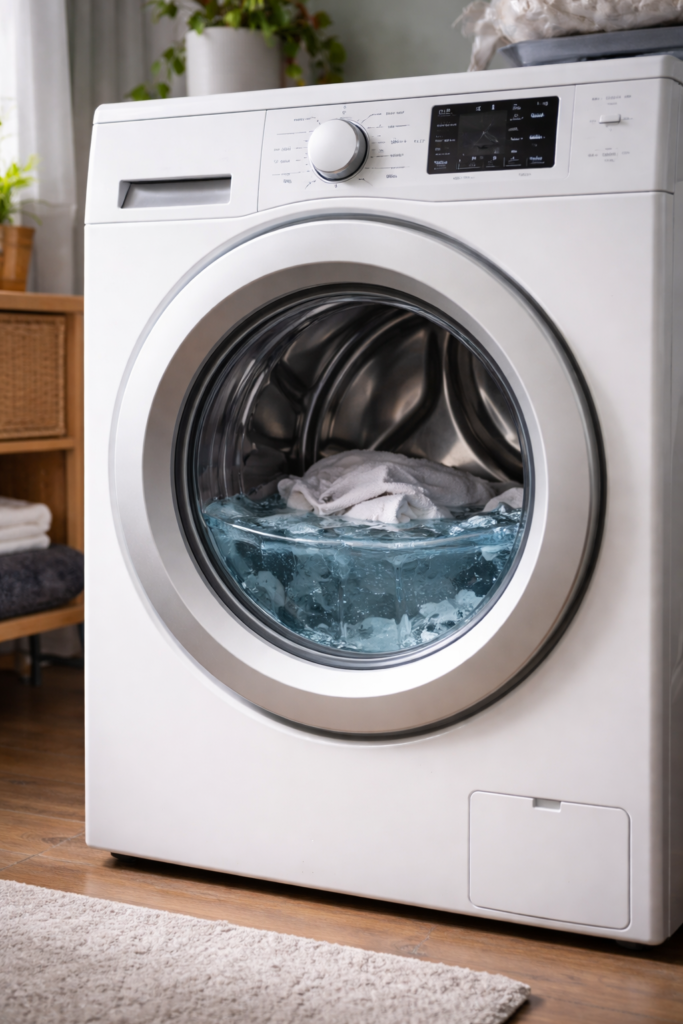
Table of Contents
What Happens When a Washing Machine Drains Water
During the final stage of a wash cycle, the machine must remove dirty water from the drum before spinning clothes at high speed. This process depends on a small electric pump that pushes water through a hose and into the household drain system.
Once the washing and rinsing stages are complete, the pump activates. Water moves through internal channels, passes through a filter designed to catch debris, and then exits through the drain hose. If any part of that pathway becomes blocked or damaged, water remains trapped inside the drum.
Most modern washers include safety mechanisms that pause the cycle when drainage fails. This protective feature helps prevent flooding and reduces strain on internal components. As a result, the machine may stop mid-cycle, display an error code, or refuse to begin the spin stage.
The overall system is mechanically straightforward. Water leaves the drum, passes through the pump assembly, travels along the drain hose, and enters the home’s plumbing. Under normal conditions, this process takes only a few seconds. When drainage fails, even a minor obstruction can disrupt the entire cycl
Common Mechanical Reasons the Water Stays Inside
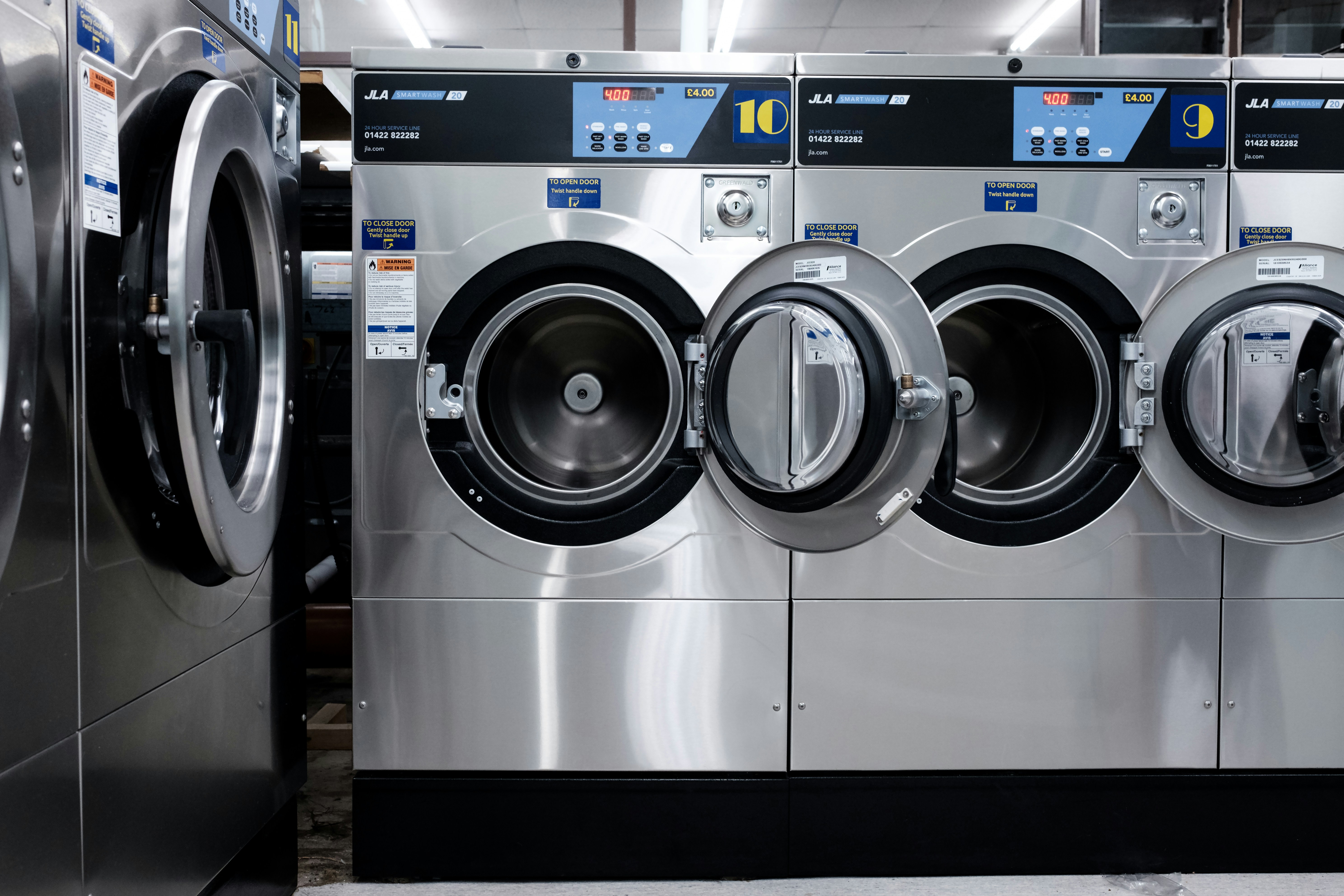
When a washing machine water not pumping out issue occurs, the cause often lies somewhere within the drainage system. Some problems are related to routine maintenance, while others involve components that have worn down over time. Several parts work together to move water out of the machine.
A clogged pump filter is among the most frequent causes. Positioned near the pump, this filter captures small objects before they reach the impeller. Over time, coins, lint, hairpins, and fabric threads can collect inside it. As debris accumulates, water struggles to pass through. The drain hose is another common source of difficulty. These flexible hoses can bend or twist when the machine is pushed too close to the wall. A sharp bend restricts water flow in much the same way that a kink disrupts a garden hose.
Inside the pump assembly sits a rotating impeller—a small plastic blade that pushes water outward when the motor spins. If debris jams the impeller, or if the motor weakens with age, the pump may produce a humming sound without actually moving water.
In some washer designs, a worn drive belt can also affect drainage. The belt helps power internal components, including the pump mechanism. If it stretches, slips, or breaks, the system loses the mechanical force required to push water through the hose. External plumbing conditions may also play a role. A blocked standpipe or a clogged household drain can slow the water’s exit, creating the impression that the washing machine itself is malfunctioning
How Drainage Problems Develop Over Time
Drainage issues rarely appear without warning. In many cases, they develop gradually as small restrictions accumulate.Laundry often contains particles that go unnoticed. Sand from clothing pockets, lint from towels, and tiny fabric fibers circulate through the wash cycle. Over time, these particles gather inside the filter or around the pump housing. The washer continues operating normally until the buildup becomes large enough to restrict water flow.
Another gradual factor involves detergent residue. Excess soap can leave behind a thin, sticky layer inside hoses and internal channels. This residue traps lint and debris, slowly narrowing the pathway through which water travels.
The position of the washer can also influence long-term drainage performance. If the drain hose is inserted too far into the standpipe or sink connection, airflow becomes restricted. Without proper ventilation, water struggles to leave the machine efficiently. These small details often accumulate quietly until one day the cycle finishes and the drum remains partially filled with water
Practical Steps That Often Solve the Problem
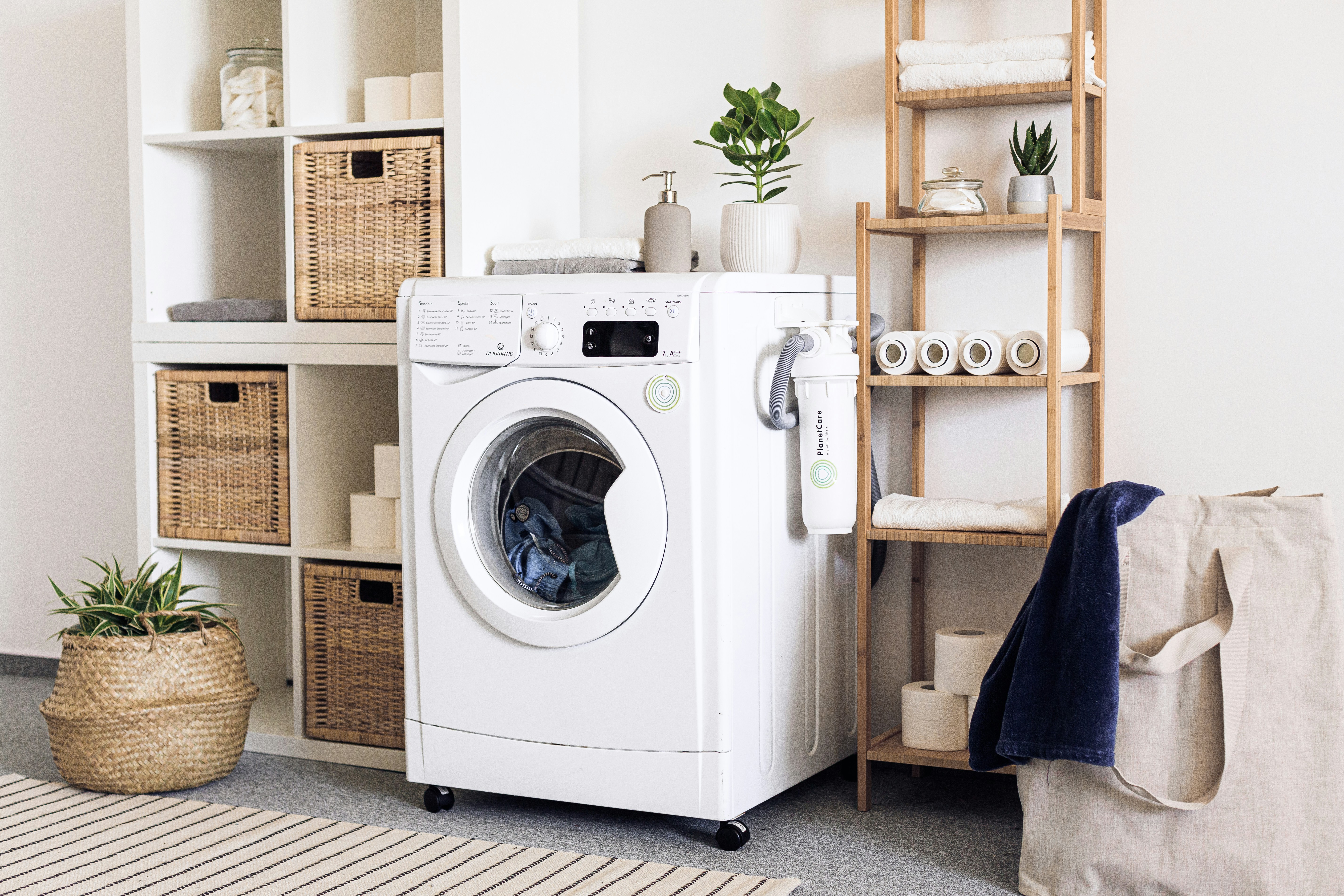
Before assuming a serious mechanical failure, it helps to check the simplest possibilities. Many drainage issues can be resolved through routine inspection and basic maintenance. A few practical checks frequently reveal the cause.
Inspect the Pump Filter
Most front-loading machines include a small access panel near the bottom front of the washer. Opening this panel exposes the pump filter. Unscrewing the filter often releases trapped water along with debris that has collected inside Common items found in the filter include:
- Coins
- Buttons
- Lint buildup
- Small fragments of clothing
Removing these objects often restores normal drainage.
Examine the Drain Hose
Pull the washer slightly away from the wall and inspect the drain hose for bends, twists, or compressed sections. Straightening the hose can restore normal water flow. In some cases, flushing the hose with water helps clear internal buildup.
Reset the Appliance
Occasionally the washer’s control system pauses the cycle because of a temporary error. Disconnecting power for a few minutes allows the electronics to reset, which may restore normal operation.
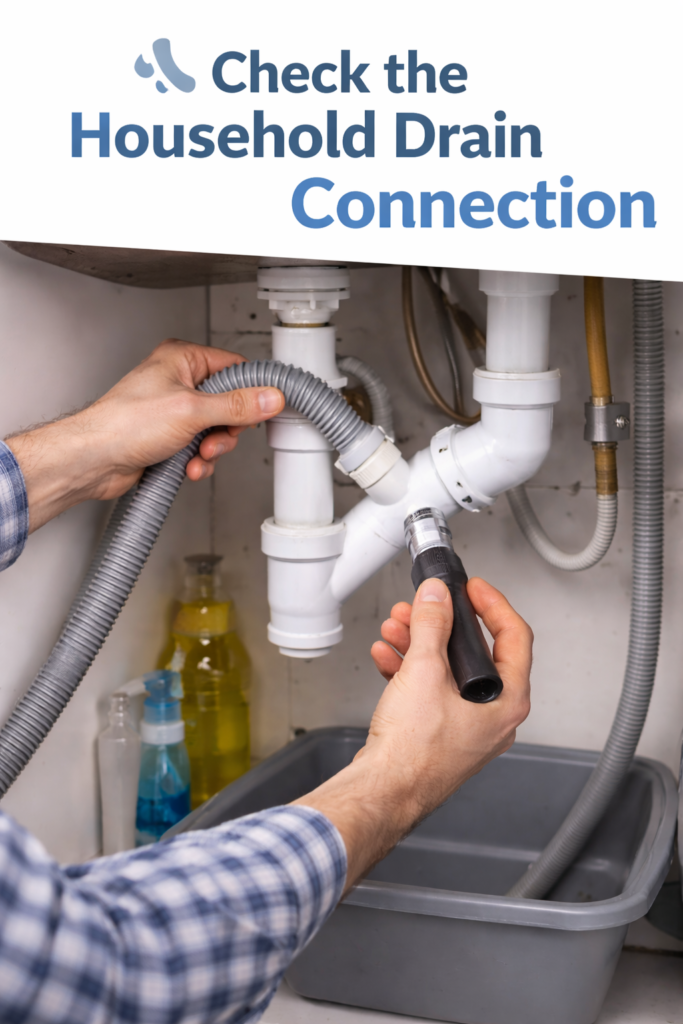
Check the Household Drain Connection
If the washer drains into a standpipe or sink connection, confirm that the port is open and not sealed by leftover plastic from plumbing installation. These straightforward steps resolve a large number of drainage complaints
Everyday Situations Where the Issue Appears
Drainage problems rarely occur under perfect conditions. They usually emerge during routine household activities. Consider someone washing several loads of towels after a busy week. Towels release significant amounts of lint. Over repeated cycles, that lint slowly gathers inside the pump filter. Eventually the machine finishes the rinse stage, yet the water remains in the drum
Related : Samsung washing machine does not drain
Another situation occurs when someone moves into a new home and installs their washer beneath the kitchen sink. The drain hose is connected to a port under the sink, and the machine appears to work during initial testing. Later, after a full load of laundry, the drum remains filled with water. Only afterward does the homeowner discover that the plumbing port had never been opened inside the pipe. Situations like these are fairly common. The washer itself may function correctly while the surrounding setup quietly interferes with drainage
What the Machine Cannot Realistically Do
Some expectations about washing machines extend beyond what the equipment is designed to handle. A frequent misunderstanding is the belief that the pump can force water through any obstruction. In reality, the pump is relatively small and designed only to move water through a clear pathway.
If the drain hose becomes severely blocked or the household plumbing is clogged, the washer cannot overcome that resistance. Instead of forcing water through the blockage, the system simply stops. Another misconception involves heavily overloaded laundry. When too many garments fill the drum, layers of fabric can trap water between them. The pump may successfully remove water from the drum itself, but saturated clothing may still hold moisture.
People sometimes interpret this as a drainage failure even though the washer has completed its intended function. Recognizing these limitations helps distinguish between genuine mechanical faults and normal operating conditions.
Safety and Practical Considerations
Working around washing machines requires a few sensible precautions.
The first step should always be disconnecting the power before opening any access panel. Water and electricity present obvious safety risks, and the pump assembly is often located close to electrical components. It is also wise to prepare for unexpected water release. When the pump filter is removed, leftover water inside the system may spill out quickly. Placing towels or a shallow container beneath the opening helps contain the mess.
The physical weight of the appliance presents another concern. Washing machines are heavy and difficult to move safely. If inspecting the drain hose requires shifting the machine, having assistance reduces the risk of injury. More complex repairs—such as replacing pumps or belts—may require specialized tools and experience. In those cases, contacting a technician is often the safer choice.
Where Research and Design Continue to Evolve
Modern washing machines already incorporate sensors that detect drainage problems and automatically pause the cycle. Engineers continue exploring ways to improve reliability and reduce maintenance demands.
Some newer models feature improved filtration systems that capture debris before it reaches the pump. Others rely on more advanced control boards that monitor water flow patterns during the cycle. Even with these improvements, household conditions vary widely. Plumbing layouts, detergent use, and laundry habits all influence how machines perform over time.
Manufacturers continue refining their designs, yet real-world use introduces variables that no appliance can fully predict. Understanding how washing machines perform under everyday conditions remains an ongoing process shaped by engineering research and practical experience
A Note on Overstated Claims
Drainage problems are sometimes described as signs that an entire washing machine has reached the end of its life. In many cases, that conclusion proves unnecessary. A clogged filter or twisted hose can create symptoms that appear serious. The machine may stop mid-cycle, display error messages, or refuse to spin. These situations can look dramatic, yet the underlying issue may take only minutes to correct.
Repair professionals often encounter machines that were replaced prematurely because these simple checks were overlooked. At the same time, not every problem has a quick fix. Pumps wear out over time, belts stretch, and motors eventually lose efficiency. The key is examining the most accessible components before assuming a major failure. A balanced perspective can prevent unnecessary frustration and expense.
When the Problem Persists
Sometimes every visible part appears normal, yet the washer still refuses to drain. At that point, the problem may lie deeper inside the appliance. Internal wiring faults, worn pump motors, or damaged control boards can interrupt the drainage cycle. Diagnosing these issues usually requires specialized testing tools.
Professional technicians often measure voltage at the pump, inspect internal hoses, and verify that the control system is sending the correct signals to each component. Although these situations occur less often, they illustrate that household appliances remain complex machines operating under frequent daily use.
Even reliable equipment occasionally requires expert attention. In most homes, a washer that refuses to drain is not a mysterious failure but a reminder that even simple machines depend on small parts quietly doing their job.
Frequently Asked Questions
Why is my washing machine water not pumping out?
A washing machine water not pumping out problem is usually caused by a clogged pump filter, a kinked drain hose, or a faulty drain pump. Debris such as lint, coins, and small clothing items can block the drainage system and prevent water from leaving the drum.
How do I fix a washing machine that won’t drain?
Start by unplugging the machine and checking the pump filter for debris. Next, inspect the drain hose for bends or blockages. Cleaning the filter, straightening the hose, and resetting the washer often resolve the issue.
Can a clogged filter stop a washing machine from draining?
Yes. A clogged pump filter is one of the most common reasons a washing machine cannot drain water. The filter traps objects like coins and lint, and when it becomes blocked, water cannot pass through the drainage system.
How often should I clean the washing machine pump filter?
Most appliance experts recommend cleaning the pump filter every one to three months, depending on how frequently the washer is used. Regular cleaning prevents blockages and helps maintain proper drainage.
When should I call a technician for a washing machine drainage problem?
If the washer still will not drain after checking the filter, hose, and drain connection, the issue may involve the pump motor, internal wiring, or the control board. In those cases, a professional technician should inspect the machine
Written by Muhammad Khalid
Muhammad Khalid is the founder of FixAppLab, a website that explains common washing machine, refrigerator, dryer, and dishwasher problems through clear troubleshooting guides. His work focuses on helping homeowners understand how everyday appliances operate and why mechanical or electrical issues may occur.
Learn more about the author →
Pingback: Washing Machine Keeps Pausing? 8 Troubleshooting Tips That May Help - fixapplab.com