7 Causes of Fridge Cooling Too Much Freezing Everything (Easy Fix Guide)
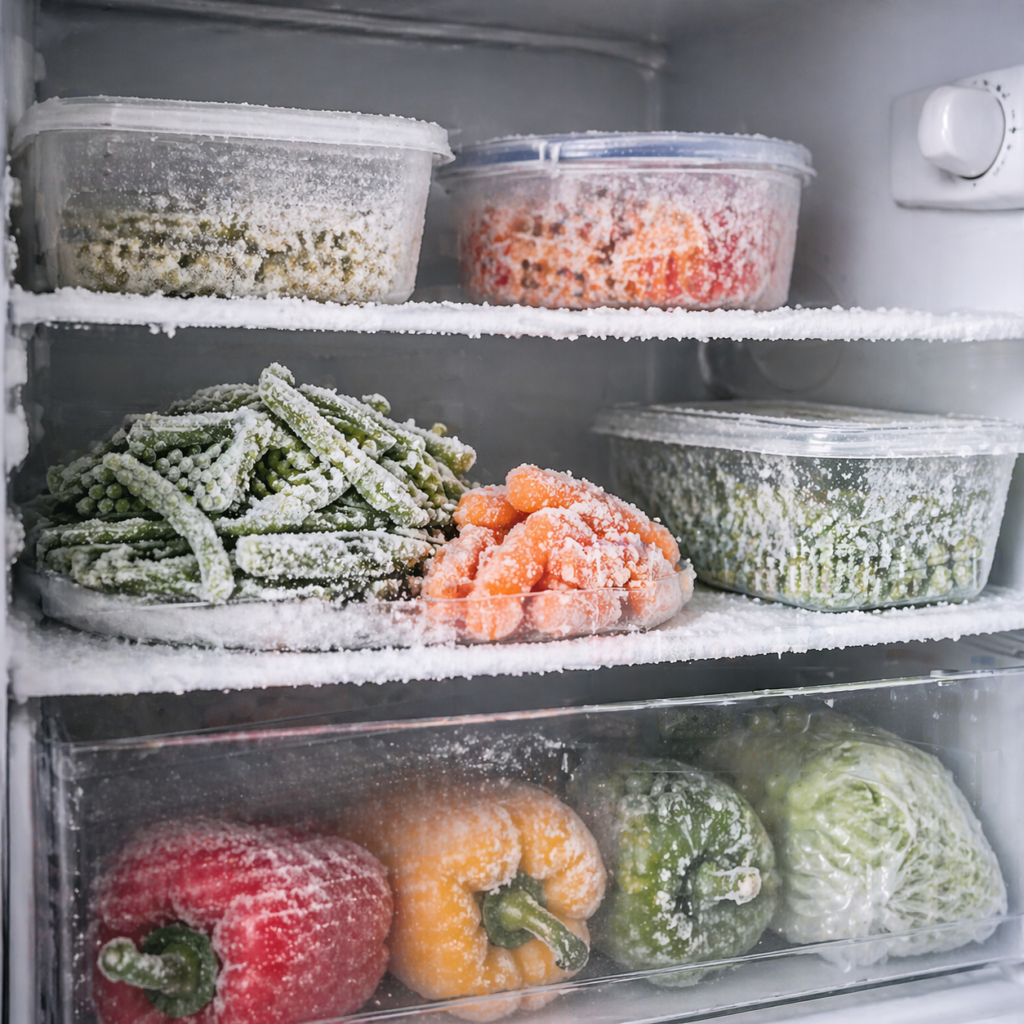
Fridge cooling too much freezing everything is a common refrigerator problem that can quickly lead to spoiled food and inconsistent cooling. If your fridge cooling too much and freezing everything, the issue is usually caused by airflow imbalance, incorrect temperature settings, or a faulty component that fails to regulate cooling properly. While many cases are easy to fix, understanding why your fridge cooling too much and freezing everything happens requires careful observation and a basic understanding of how refrigerator cooling systems work.
Quick Key Takeaways
- Main issue: Airflow imbalance or incorrect temperature control.
- Common cause: Blocked vents or faulty thermostat/thermistor.
- Simple fix: Adjust temperature and clear airflow paths.
- Advanced issue: Damper or sensor malfunction.
- Prevention tip: Keep vents clear and avoid overloading.
Table of Contents
Why Fridge Cooling Too Much and Freezing Everything Happens
A refrigerator does not “produce” cold air in the way many people assume. Instead, it removes heat from inside the cabinet and releases it outside through a controlled refrigeration cycle. This process relies on a compressor, condenser coils, and internal airflow pathways working together to maintain a stable temperature.
Cold air is typically generated in the freezer compartment and then distributed into the fresh food section through vents. Sensors and control systems determine when the compressor should run and how much cold air should circulate between compartments. This balance is essential for keeping food fresh without freezing.
When all components function correctly, the temperature remains within a narrow, safe range. If that balance is disrupted—due to excessive airflow, inaccurate temperature sensing, or continuous compressor operation—it can result in a refrigerator freezing food in the fridge section, even when settings appear normal. This condition is commonly described as fridge cooling too much freezing everything, especially when airflow or temperature balance is disrupted.
Why Your Fridge Is Freezing Everything Even at Normal Settings
It is a common assumption that food freezes only when the temperature is set too low. In reality, a fridge cooling too much and freezing everything can occur even when the settings seem correct. This happens because internal conditions are not always accurately reflected by the control panel. Several underlying issues may cause temperature drops below safe levels:
- Sensors may misread internal temperatures
- Cold air may concentrate unevenly in certain areas
- The cooling cycle may fail to shut off at the appropriate time
For example, placing a bottle near the back wall .close to a vent .can expose it to a steady stream of cold air. That localized exposure may cause freezing, even if the rest of the fridge feels normal. Frequent door openings can also influence behavior. The refrigerator may compensate for warm air entering the unit by running longer cooling cycles, which can gradually lower internal temperatures more than intended. If you notice fridge cooling too much freezing everything, it often means cold air is not circulating evenly inside the fridge.
Common Signs Your Fridge Is Overcooling
- Food near vents freezes quickly
- Drinks develop ice layers
- Fridge runs longer than usual
- Temperature feels inconsistent
- Frost appears in fresh food section
Airflow: The Quiet Factor Most People Overlook

Airflow plays a critical role in maintaining consistent cooling, yet it is often overlooked. Inside a refrigerator, cold air must circulate freely to distribute temperature evenly. When airflow is restricted, uneven cooling zones can develop. Several everyday habits can disrupt proper air circulation:
- Overpacking shelves with food containers
- Placing items directly in front of air vents
- Using large storage boxes that block airflow paths
When airflow becomes uneven, some areas can become significantly colder than others. This explains why vegetables in one drawer may freeze while items on another shelf remain unaffected. There is also a mechanical aspect to airflow. A component known as the air damper controls how much cold air flows from the freezer into the refrigerator compartment. If the damper becomes stuck open or fails to regulate properly, excessive cold air can enter the fridge, contributing to freezing conditions. If your fridge cooling too much and freezing everything, the issue may worsen over time if not fixed early. Poor airflow is one of the main reasons behind fridge cooling too much freezing everything in specific areas.
Temperature Controls Don’t Always Mean What You Think
Many users rely on the refrigerator’s dial or digital display without fully understanding how it functions. In some models, the numbers shown do not directly correspond to exact temperatures. Instead, they control how long the compressor runs during each cooling cycle.
Increasing the setting does not always mean a slight drop in temperature. It often means the system runs longer, which can push internal temperatures below the recommended range. This is one of the reasons a fridge cooling too much and freezing everything can occur even when the setting appears reasonable. A more accurate approach involves verifying the internal temperature directly:
- Place a thermometer inside the fridge
- Check readings after 24 hours of stabilization
- Make small adjustments instead of large changes
This method provides a clearer understanding of actual conditions inside the appliance rather than relying solely on control settings
Related Fix Guides You Shouldn’t Ignore
If your fridge cooling too much and freezing everything, similar appliance issues may also be affecting performance. Problems like unstable temperature, continuous running, or poor cooling often share the same root causes such as airflow blockage, faulty sensors, or control system failure.
Common Mistakes That Make It Worse
- Setting fridge to maximum cold
- Blocking air vents with food
- Overloading shelves
- Ignoring early freezing signs
When Components Stop Regulating Properly
Modern refrigerators depend on several interconnected components to maintain stable temperatures. When one of these parts fails, the system may lose its ability to regulate cooling effectively.
Common component-related causes include
- Thermostat failure: The system cannot detect when to stop cooling
- Thermistor malfunction: Temperature readings become inaccurate
- Control board issues: Signals are sent at incorrect times
These problems often develop gradually. Initially, the fridge may feel slightly colder than usual. Over time, the issue becomes more noticeable as food begins to freeze consistently. A key diagnostic clue is uniform freezing. If all items in the refrigerator compartment are freezing .not just those near vents .the issue is more likely related to internal control components rather than airflow alone .A faulty thermostat or sensor can directly cause fridge cooling too much freezing everything by running the cooling system continuously.
Quick Troubleshooting Guide
| Problem | Cause | Solution |
|---|---|---|
| Food freezing inside fridge | Blocked air vents | Rearrange items for airflow |
| Uneven cooling | Damper stuck open | Inspect or replace damper |
| Fridge too cold | Incorrect settings | Adjust thermostat |
| Constant running | Faulty sensor | Replace thermistor |
What This Problem Cannot Realistically Be
It is sometimes assumed that a refrigerator freezing food is simply “working too well.” In reality, this interpretation is inaccurate. Refrigerators are designed to operate within a specific temperature range, and excessive cooling indicates a malfunction rather than improved performance.
A fridge does not become more efficient by overcooling. Instead, it often consumes more energy and experiences increased wear. Another common misconception is that placing hot food inside the fridge causes freezing. While warm items can temporarily affect internal temperature, they do not lead to persistent freezing across the entire compartment.
External environmental conditions are also rarely the sole cause. While a cold room can influence performance slightly, it does not override the appliance’s internal control system unless another issue is already present. Recognizing what the problem is not helps narrow down the true cause more effectively
Pro Tips to Prevent Freezing
- Keep temperature between 2°C–5°C
- Maintain proper airflow inside fridge
- Clean condenser coils regularly
- Check door seals monthly
- Avoid placing food near vents
Two Everyday Situations That Reveal the Cause

Real-life usage often provides valuable clues about why a refrigerator is freezing food. In one scenario, a household stocks up on groceries after a weekly shopping trip. Shelves become tightly packed, containers are stacked, and airflow pathways are unintentionally blocked. Within a short period, items near vents .such as vegetables .begin to freeze, while other areas remain unaffected.
In another case, a user notices that beverages placed on the middle shelf are freezing overnight. The fridge is not overloaded, and settings remain unchanged. Over time, it becomes clear that the compressor is running almost continuously. This pattern suggests a control system issue, such as a faulty thermostat or sensor. These examples illustrate how similar symptoms can arise from entirely different causes
How to Fix Fridge Cooling Too Much Freezing Everything
To fix fridge cooling too much freezing everything, start by adjusting temperature settings, clearing air vents, and checking door seals. If the issue continues, inspect internal components like the thermostat, damper, or thermistor.
Practical Steps That Actually Make a Difference
Addressing a refrigerator freezing food problem requires a systematic approach rather than guesswork. Starting with simple checks often resolves the issue without the need for professional repair.
Begin with basic adjustments
- Ensure vents are clear and unobstructed
- Set the temperature slightly warmer and allow 24 hours for stabilization
- Rearrange items to improve airflow
If the issue persists, move to more detailed observations
- Check whether the compressor cycles on and off normally
- Inspect door seals for gaps or wear
- Listen for continuous operation, which may indicate a control problem
Cleaning condenser coils is another important step. Dust buildup on coils reduces heat dissipation efficiency, which can lead to longer cooling cycles and potential overcooling. Each step helps determine whether the issue is caused by airflow restrictions, mechanical faults, or everyday usage habits. These steps are essential when dealing with fridge cooling too much freezing everything in everyday use.
Safety and Everyday Practical Considerations
A fridge cooling too much does more than inconvenience—it can affect both food safety and appliance efficiency. Fresh produce may lose texture, dairy products can separate, and certain foods become unusable after freezing and thawing.
Energy consumption is another important factor. A refrigerator that runs longer than necessary uses more electricity and experiences increased mechanical wear. Addressing the issue early can help extend the appliance’s lifespan and reduce energy costs.
When inspecting or cleaning components, safety should always come first. Disconnecting the power supply before handling internal parts minimizes the risk of electrical hazards. Even simple maintenance tasks, such as cleaning vents or coils, should be performed carefully
Where Expectations and Reality Don’t Always Match
There is a common expectation that refrigerators will maintain perfect temperatures under all conditions. In practice, performance depends on multiple factors, including appliance design, environmental conditions, and user behavior. Even high-quality refrigerators can experience uneven cooling if airflow is restricted or components begin to degrade over time. At the same time, not every issue requires immediate replacement or professional repair.
Refrigeration technology continues to evolve, with improved sensors and control systems offering greater precision. Still, these systems are not immune to wear, calibration drift, or minor faults. Understanding these limitations helps set realistic expectations for long-term performance
A Closer Look Before Jumping to Conclusions
When a fridge cooling too much and freezing everything becomes noticeable, it is natural to assume a serious malfunction. In many situations, the cause is relatively minor—such as blocked airflow, incorrect settings, or a small component issue.
Careful observation often provides more insight than immediate action. Consider whether freezing occurs in specific areas or throughout the entire fridge. Notice whether adjustments to layout or temperature settings change the outcome. Pay attention to whether the appliance cycles normally or runs continuously.
These observations help guide more accurate troubleshooting and prevent unnecessary repairs. In the end, a refrigerator performs best when its internal balance is maintained, and restoring that balance often begins with understanding how easily it can be disrupted. This is one of the main reasons behind fridge cooling too much and freezing everything. Understanding fridge cooling too much freezing everything helps you fix the issue faster and prevent future cooling problems
About the Author
Muhammad Khalid
Founder of FixAppLab • Appliance Repair & Troubleshooting Specialist
Muhammad Khalid is the founder of FixAppLab, a resource focused on explaining real-world appliance problems in a clear and practical way. His work centers on helping homeowners understand how refrigerators, washing machines, and other household appliances function—and why common mechanical or electrical faults occur during everyday use.
He publishes detailed troubleshooting guides based on real usage patterns, covering issues such as cooling failures, water flow problems, and component malfunctions. Explore expert insights on washing machine problems and refrigerator troubleshooting .
Learn more about the platform and its mission on the About page , or explore all guides in the blog section .
Stay updated with new troubleshooting tips on Facebook .


Comments