7 Powerful Reasons Why Washing Machine Not Rinsing Properly (Easy Fix Guide)
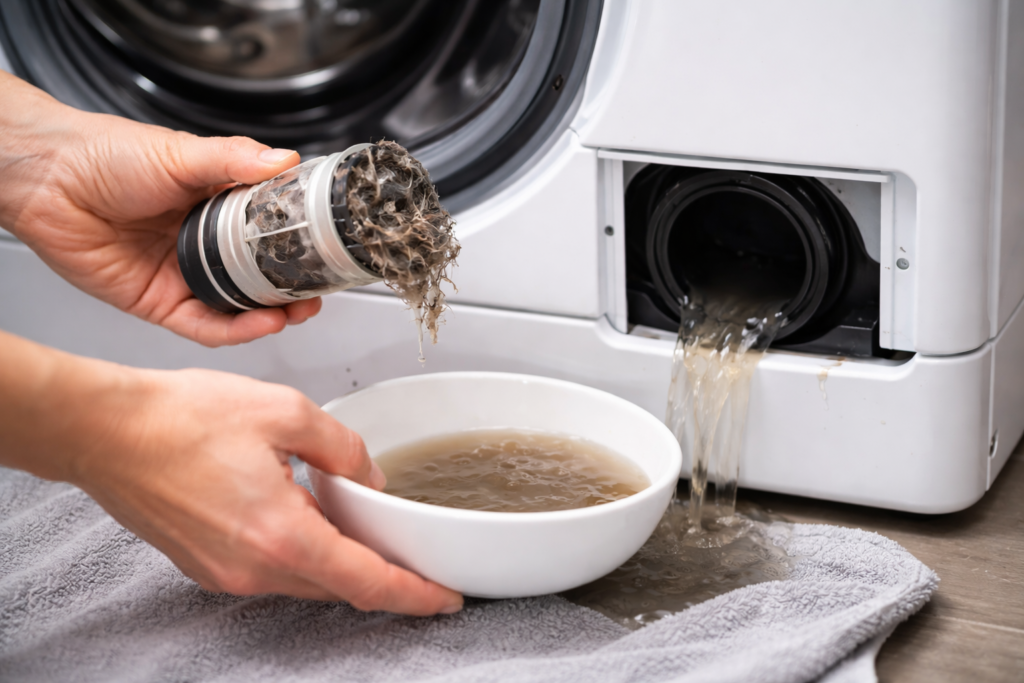
A washing machine not rinsing properly usually indicates that water is not moving in or out of the drum as it should. This results in detergent residue on clothes and an incomplete cleaning cycle. In most cases, the problem is linked to restricted drainage, improper usage, or a minor mechanical issue within the washer
Quick Answer
A washing machine not rinsing properly is usually caused by a clogged drain filter, excessive detergent, or poor water flow. Cleaning the filter, reducing detergent use, and checking hoses can quickly restore proper rinsing performance.

Table of Contents
When Water Can’t Leave the Machine Properly
One of the most frequent causes of a washing machine not rinsing properly is poor drainage. If dirty water is not fully removed after the wash phase, the rinse cycle mixes fresh water with leftover detergent and debris. This significantly reduces rinsing effectiveness.
This issue often develops without obvious warning signs. The machine may not display an error code, and the cycle may appear normal externally. Internally, however, water circulation becomes inefficient, leading to incomplete rinsing and detergent buildup.
Common drainage-related causes include
- Clogged drain filter filled with lint, coins, or debris
- Blocked or kinked drain hose restricting water flow
- Faulty or worn-out drain pump that cannot remove water effectively
This situation is similar to trying to rinse dishes in a sink that hasn’t been drained. Without removing dirty water first, proper rinsing becomes impossible. Regularly cleaning the drain filter and inspecting hoses can prevent these issues and improve washing machine performance.
Why Overloading Changes the Way Water Moves
Overloading the washing machine does more than strain the motor. It directly affects how water flows through the fabric. When clothes are packed too tightly, there is limited space for water to circulate properly. In a balanced load, water moves freely and reaches every surface of the fabric. In contrast, an overloaded drum forces water to follow the path of least resistance, often leaving some areas insufficiently rinsed. This is a common reason for washing machine leaving soap residue on clothes.
Consider a typical scenario: a large load of towels and clothing is washed together to save time. The cycle finishes, but the towels feel heavy and slightly stiff, indicating leftover detergent. The issue is not the machine itself, but restricted water movement. Reducing the load size allows water to circulate correctly, restoring proper rinsing performance without any mechanical repair.
Detergent: When More Becomes a Problem
It is a common misconception that using more detergent leads to cleaner clothes. In reality, excessive detergent often causes washing machine rinse problems. Detergent must dissolve and then be rinsed away completely. When too much is used, it creates excess foam that the machine cannot remove within a standard rinse cycle. Instead of clean water flushing the drum, it becomes filled with suds.
This problem is more noticeable in modern high-efficiency washers, which use less water. These machines rely on precise detergent levels, and excess foam disrupts their balance. For example, adding an extra cap of detergent for heavily soiled laundry may seem logical. Yet, after drying, clothes may feel sticky or carry a faint soapy smell. Using the correct detergent amount—and the right type, such as HE detergent—ensures better rinsing and protects the appliance. This clearly shows how a washing machine not rinsing properly is often linked to incorrect detergent usage.

Water Supply and the Machine’s Internal Balance
A proper rinse cycle depends on sufficient clean water entering the drum at the right time. If water flow is restricted, the machine cannot effectively dilute and remove detergent from fabrics. This can occur due to several factors:
- Clogged water inlet filters caused by sediment buildup
- Partially closed supply valves limiting water flow
- Low household water pressure affecting performance
Even when the machine appears to function normally, reduced water intake can lead to incomplete rinsing cycles. This is similar to rinsing shampoo with weak water pressure—it takes longer and may not fully clear.
Modern washing machines rely on sensors to regulate water levels. If these sensors receive inaccurate readings due to blockages or wear, the rinse cycle may proceed with insufficient water. These issues are often less visible than drainage problems, making them harder to detect early.
The Role of Cycle Selection and Machine Behavior
Not all washing cycles are designed for deep rinsing. Quick wash or eco cycles use less water to conserve energy, which can lead to washing machine not rinsing clothes properly, especially with heavy or bulky loads. Different fabrics and load sizes require different levels of rinsing. Heavier loads or high detergent use often need a more thorough rinse cycle. Selecting a standard or heavy-duty cycle—or enabling the extra rinse option—can significantly improve results.
Load balance also plays a role. If clothes are unevenly distributed, the machine may struggle during the spin cycle. Since spinning helps remove soapy water before rinsing, any imbalance can affect the overall rinse quality. These automatic adjustments are built into the machine’s system, which is why they often go unnoticed by users.
Why Washing Machine Not Rinsing Properly Cannot Fix Itself
A washing machine not rinsing properly will not resolve itself through repeated use. Running the same cycle multiple times without addressing the root cause typically produces the same outcome.
Many users assume that changing detergent brands or adding extra water will fix the issue. While these adjustments may provide temporary improvement, they do not address underlying problems such as blocked drainage or restricted water flow. A washing machine operates as an integrated system. If one component—such as the drain pump or inlet valve—is compromised, the entire process is affected. Ignoring the issue can lead to worsening performance over time.
Run an empty hot water cycle with vinegar once a month to remove detergent buildup and improve rinsing efficiency.
Safety and Practical Considerations During Troubleshooting
Always disconnect power and water supply before inspecting your washing machine. Internal components can be sharp or electrically active, even when the machine is off.
Basic troubleshooting does not require advanced technical knowledge, but safety should always come first. Before inspecting or cleaning any part of the machine, take the following precautions:
- Disconnect the power supply completely
- Turn off the water source
- Use protective gloves when handling internal components
Water and electricity present a clear safety risk, even during simple maintenance tasks like cleaning the filter. Careful handling reduces the risk of injury or further damage. Avoid forcing parts open or using unsuitable tools, as this can worsen the problem. If a component feels stuck or unfamiliar, it is best to proceed cautiously. For more complex issues—such as electronic faults or pump failure—professional repair is the safest option.

You May Also Like
If your washing machine is not rinsing properly, these related troubleshooting guides can help you diagnose other common washing machine problems and find the right solution faster.
- Washing Machine Stops Before Rinse Cycle: 7 Causes & Easy Fixes
- Washing Machine Not Draining Water: Common Causes & Solutions
- Washing Machine Water Not Pumping Out
- Washer Drain Filter Blockage Fix Guide
- Washing Machine Water Inlet Valve Problems
- Washer Water Pressure Too Low Fix
- 5 Easy Washer Detergent Buildup Problem Fix Tips
- Washing Machine Not Filling With Water
- Washing Machine Repair Cost Calculator
A Practical Way to Approach the Problem
When dealing with a washing machine not rinsing properly, a step-by-step approach is more effective than trying multiple fixes at once. This method helps identify the exact cause without unnecessary adjustments.
Start with the simplest factors, such as load size and detergent usage. Then move on to visible components like the drain filter and hose. After that, check water supply and inlet conditions. If the issue persists, internal components may need inspection. This structured approach improves accuracy and prevents guesswork. In many cases, small changes—such as reducing detergent or cleaning a filter—can restore proper rinsing performance
Signs Your Washing Machine Needs Professional Repair
Many rinsing problems can be solved with simple maintenance, such as cleaning the drain filter, reducing detergent use, or checking the water supply. However, some symptoms indicate a more serious mechanical or electrical issue that requires professional diagnosis. Continuing to use the washer in these situations may lead to additional damage, higher repair costs, or unexpected breakdowns.
If basic troubleshooting does not restore proper rinsing performance, pay close attention to how the machine behaves during the wash and rinse cycles. Unusual sounds, repeated interruptions, or visible leaks often suggest that an internal component is no longer operating correctly.
Common Signs You Should Call a Technician
- Persistent rinsing problems even after cleaning the drain filter and hoses.
- The washer repeatedly stops before completing the rinse cycle.
- Water remains inside the drum after every wash.
- Grinding, buzzing, or unusually loud noises during draining or rinsing.
- Water leaking from underneath or around the washing machine.
- Burning smells or signs of overheating while the machine is operating.
- Error codes that continue appearing after restarting the appliance.
- The drain pump, inlet valve, or electronic control system appears to be malfunctioning.
Why Early Repairs Matter
Ignoring these warning signs can reduce washing performance and place additional stress on other components inside the appliance. Addressing problems early often prevents more expensive repairs and helps extend the overall lifespan of your washing machine.
Signs Your Washing Machine Is Not Rinsing Properly
- Clothes feel sticky or soapy after washing
- Visible detergent residue on fabric
- Unpleasant smell after wash cycle
- Foam or suds left inside the drum
How to Prevent Washing Machine Rinsing Problems
Preventing a washing machine from rinsing improperly is much easier and less expensive than repairing damaged components. Most rinse problems develop gradually due to poor maintenance, excessive detergent use, or incorrect loading habits. Following a few simple practices can help maintain consistent washing performance, improve cleaning results, and extend the life of your appliance.
Regular maintenance also reduces unnecessary strain on important components such as the drain pump, water inlet valve, hoses, and filters. Small preventive steps performed throughout the year often eliminate the need for costly repairs later.
Best Practices to Prevent Poor Rinsing
- Clean the drain filter at least once every month to remove lint, coins, hair, and debris.
- Use only the recommended amount of detergent and always choose HE detergent for high-efficiency washers.
- Avoid overloading the drum so water can circulate freely during both the wash and rinse cycles.
- Inspect the drain hose and water inlet hoses regularly for kinks, clogs, or signs of wear.
- Run a hot maintenance cycle with a washing machine cleaner or white vinegar every month to remove detergent buildup.
- Select the correct wash cycle for bulky items, towels, blankets, and heavily soiled clothing.
- Leave the washer door slightly open after each load to reduce moisture buildup and unpleasant odors.
- Periodically check household water pressure if you notice slow filling or inconsistent rinse performance.
Maintenance Tip
A few minutes of routine maintenance each month can significantly improve rinsing performance, reduce detergent residue on clothes, and help prevent premature wear of your washing machine’s internal components.
Estimated Washing Machine Repair Costs
The cost to repair a washing machine that is not rinsing properly depends on the faulty component, labor rates in your area, and the appliance brand. Simple maintenance tasks such as cleaning a clogged filter are often free if you perform them yourself, while replacing mechanical or electrical parts usually requires professional service. Understanding the typical repair cost can help you decide whether repairing your washer is the most practical option.
| Repair Item | Typical Cost (USD) |
|---|---|
| Drain Filter Cleaning | DIY or $0–$50 |
| Drain Hose Replacement | $60–$150 |
| Water Inlet Valve Replacement | $120–$250 |
| Drain Pump Replacement | $150–$350 |
| Pressure Switch Replacement | $120–$280 |
| Electronic Control Board | $250–$500+ |
Money-Saving Tip
If the problem is caused by a clogged drain filter, excessive detergent, or a blocked hose, you can often restore normal rinsing performance without paying for professional repairs. However, repeated error codes, electrical faults, or failed internal components should be inspected by a qualified appliance technician to prevent additional damage.
When to Call a Professional
Many washing machine rinsing problems can be resolved through basic maintenance, such as cleaning the drain filter, inspecting the drain hose, or using the correct amount of detergent. However, some problems involve internal electrical or mechanical components that require specialized tools and technical knowledge. Attempting complex repairs without experience can increase repair costs or damage other parts of the appliance.
If you have completed the recommended troubleshooting steps and your washing machine still does not rinse properly, it is time to consider professional service. An experienced appliance technician can accurately diagnose the problem, replace defective components, and verify that the machine is operating safely.
Professional Service Is Recommended If:
- The washer continues leaving detergent residue after multiple troubleshooting attempts.
- The drain pump fails to remove water completely.
- Error codes continue appearing after restarting the machine.
- The appliance leaks water from underneath the cabinet.
- You notice burning smells, electrical issues, or signs of overheating.
- The washing machine repeatedly stops during the rinse cycle.
- Internal components such as the control board, pressure switch, or inlet valve require replacement.
DIY or Professional Repair?
Simple maintenance tasks like cleaning filters, checking hoses, and reducing detergent usage are suitable for most homeowners. However, electrical repairs, wiring issues, control board failures, and internal component replacements should always be handled by a qualified appliance repair professional to ensure safe and reliable operation.
Common Mistakes That Cause Poor Rinsing
- Using too much detergent
- Overloading the washing machine
- Ignoring regular filter cleaning
- Using wrong wash cycle for heavy loads
Frequently Asked Questions
Why is my washing machine not rinsing properly?
A washing machine not rinsing properly is usually caused by a clogged drain filter, too much detergent, or low water flow. Cleaning the filter, reducing detergent, and checking hoses can fix the issue quickly.
Can too much detergent cause rinsing problems in a washing machine?
Yes, using too much detergent is one of the most common reasons for washer not rinsing clothes properly. Excess detergent creates too many suds, which the machine cannot fully remove during the rinse cycle. This often leaves clothes with a sticky feel or visible residue.
How do I fix a washing machine that leaves soap residue on clothes?
To fix a washing machine leaving soap residue, start by cleaning the drain filter and checking the drain hose for blockages. Reduce the detergent amount and ensure you are using the correct type (such as HE detergent). You can also run an extra rinse cycle to remove any remaining buildup.
Does overloading the washing machine affect rinsing performance?
Yes, overloading restricts water movement inside the drum, leading to incomplete rinsing and detergent buildup. Clothes need enough space for water to circulate properly. Reducing the load size helps improve both washing and rinsing efficiency.


Comments