Top Load Washer Leaves Clothes Soaking Wet?
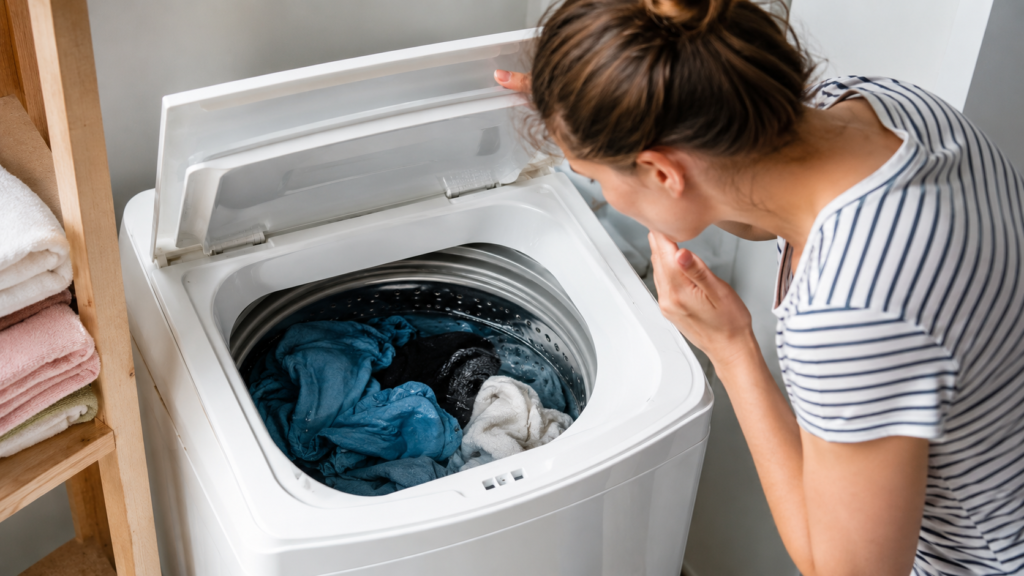
Yes, a top load washer leaves clothes soaking wet most often because it isn’t reaching full spin speed, usually caused by an unbalanced or overloaded drum, a blocked drain hose, a faulty lid switch, or the wrong cycle setting. The fix is almost always simple, and you rarely need to replace the whole machine to solve it.
If you’ve ever opened the lid expecting damp, dryer-ready laundry and instead pulled out heavy, dripping clothes, you know exactly how frustrating this is. A top load washer leaves clothes soaking wet for a fairly predictable set of reasons, and once you know what to look for, most homeowners can diagnose and fix it themselves in under 30 minutes.
Table of Contents
Why Does a Top Load Washer Leave Clothes Soaking Wet?
Washing and spinning are two separate jobs your machine has to do. It can fill, agitate, and rinse perfectly well, but if the final high-speed spin doesn’t happen — or doesn’t happen fast enough — the water never gets extracted from the fabric. That’s the root of almost every “wet laundry” complaint, and it’s why a top load washer leaves clothes soaking wet even when everything else about the cycle seems normal.
A quick way to narrow things down is to check the tub right after the cycle ends.
- Standing water in the tub → you’re dealing with a drainage problem.
- No standing water, but clothes are heavy and dripping → the machine isn’t spinning properly.
Keep that distinction in mind as you work through the causes below, since it will save you from chasing the wrong fix.
What to Check First
Before you start pulling the washer apart, run through this quick sequence. It takes about five minutes and rules out the most common reasons a top load washer leaves clothes soaking wet:
- Redistribute the load evenly around the drum
- Reduce the load size if the basket is packed tight
- Run a Drain & Spin cycle and see if performance improves
- Open the lid immediately after and check for standing water
If that doesn’t solve it, move on to the specific causes below.
1. The Load Is Unbalanced
This is, by far, the most common reason a top load washer leaves clothes soaking wet. Heavy, water-logged items like towels, jeans, or a comforter tend to shift and clump on one side of the basket as they get wet. Once the washer senses that imbalance during spin, it slows down or stops entirely to protect the motor, bearings, and suspension from damage.
How to fix it: Pause the cycle, open the lid, and spread the clothes out evenly around the drum. If you’re washing one bulky item, add a couple of extra towels so the weight distributes more evenly rather than washing it alone. Then run a Drain & Spin cycle to finish extracting the water. Most of the time, this one adjustment is all it takes to stop a top load washer from leaving clothes soaking wet.
For additional manufacturer troubleshooting guidance, see Whirlpool’s washer not-spinning guide .
2. The Washer Is Overloaded
Cramming too many clothes into the drum has a similar effect to an unbalanced load. When the basket is packed tight, water can’t move freely through the fabric, and the machine struggles to reach the spin speed it needs. This is another very common reason a top load washer leaves clothes soaking wet, especially with bedding or towel-heavy loads.
A helpful rule of thumb: load laundry loosely, filling the drum to about half or two-thirds full, and leave visible space near the top rim. If smaller loads spin down just fine but large ones consistently come out wet, overloading is very likely your answer.
3. The Drain Hose Is Kinked or Clogged

Most top load washers won’t spin at full speed until the tub has completely drained — spinning a tub full of water risks serious mechanical damage, so the control board holds off as a safety measure. If your drain hose is pinched, kinked, or clogged with lint and debris, water can’t leave fast enough, and the spin cycle gets cut short or skipped. A restricted drain hose is one of the easiest reasons a top load washer leaves clothes soaking wet to overlook, since the hose is tucked behind the machine out of sight.
Unplug the washer, pull it away from the wall, and check the hose for sharp bends or crushing against the wall or floor. Also confirm it isn’t pushed too far into the standpipe — most manufacturers recommend no more than 4 to 6 inches of insertion, since jamming it in too deep or sealing it airtight can cause siphoning that pulls water back into the tub.
4. The Drain Pump Is Weak or Blocked

Sitting between the tub and the drain hose is the drain pump, and it’s a frequent culprit when a top load washer leaves clothes soaking wet. Coins, hairpins, bobby pins, and small fabric scraps can work their way into the pump or its filter over time, restricting water flow even when the hose itself looks fine.
Common signs of a struggling drain pump include:
- Standing water left in the tub after the cycle
- Unusually slow draining
- A humming sound during the drain phase
- The cycle stopping altogether before it ever reaches spin
Many models have an accessible pump filter behind a small panel near the bottom front of the machine — unplug the washer first, then check it for trapped debris. If the pump has failed outright, it typically needs replacement rather than cleaning.
5. The Lid Switch Isn’t Working Correctly
Top load washers use a small safety switch that tells the control board whether the lid is securely closed. If that switch is worn, misaligned, or has debris caught in it, the machine may think the lid is open even when it isn’t — and most washers simply won’t spin under that condition, even though they’ll happily agitate and drain. A bad lid switch is a sneaky reason a top load washer leaves clothes soaking wet because everything else about the cycle appears to run normally.
Listen closely near the end of a cycle. If you hear the tub drain but it never ramps up into a fast spin, the lid switch is worth investigating. On many models it’s testable with a multimeter and reasonably easy to access, though replacing it usually involves removing the top panel.
6. The Washer Isn’t Reaching Full Spin Speed
Sometimes drainage and the lid switch check out fine, but the drum still spins weakly or not at all. That points toward a mechanical issue with the components that actually drive the spin: a worn or slipping drive belt, a damaged motor coupling, a worn clutch, or a problem with the motor itself. On some machines, an unlevel installation or worn suspension springs can cause the same repeated out-of-balance behavior, even with a properly loaded drum — which means a top load washer can leave clothes soaking wet even when you’ve done everything right on the loading side.
Pay attention to any unusual sounds — humming without real movement, grinding, squealing, or a repeated struggle to accelerate. These are signs of a mechanical problem rather than a simple loading or drainage issue, and they usually call for a professional diagnosis since testing internal drive components without the right tools can be tricky.
Washing Machine Leaves Clothes Wet After Spin Cycle
If your washer completes the cycle but your clothes are still unusually wet, this related guide explains the most common causes of poor water extraction and what you can check before replacing any parts.
Read the Full Guide →7. Too Much Detergent or Excess Suds
It’s easy to assume more detergent means cleaner clothes, but overdoing it — especially with non-HE detergent in a high-efficiency machine — can create excessive suds that interfere with proper rinsing and draining. The washer may spend extra time trying to manage the suds instead of completing its normal drain and spin sequence, which is a less obvious reason a top load washer leaves clothes soaking wet.
Check your detergent’s recommended dosage and your washer’s manual, and try cutting back if you’ve been using more than suggested. Give it a few cycles to see if spin performance improves.
Quick Diagnostic Checklist
Work through these steps in order before assuming you need a repair technician. This is the fastest way to figure out why a top load washer leaves clothes soaking wet in your specific case:

- Check the load — redistribute if it’s clumped or overloaded
- Run a Drain & Spin cycle after correcting the load
- Look for standing water in the tub after the cycle ends
- Inspect the drain hose for kinks or improper installation
- Confirm the lid closes fully and latches securely
- Listen for humming, grinding, or slipping sounds during spin
- Compare a small, balanced load against a large one to see if the pattern changes
Drainage Problem or Spin Problem? A Quick Comparison
| What You See | Likely Cause | Where to Start |
|---|---|---|
| Standing water in the tub | Clogged drain hose or weak pump | Check hose and pump filter |
| No water, clothes still soaked | Unbalanced load or lid switch | Redistribute load, test lid switch |
| Loud banging during spin | Unbalanced or overloaded drum | Reload evenly, reduce load size |
| Humming with little movement | Worn belt or motor coupling | Call a technician |
| Works fine on small loads only | Overloading | Reduce load size |
Repair or Replace? A Word on Cost
Most of the fixes above cost nothing beyond your time — redistributing a load, clearing a hose, or cleaning a pump filter. Even a lid switch or drive belt replacement is typically an affordable repair on most machines. It’s usually only worth considering replacement if the transmission, motor, or main control board has failed on an older washer, since those repairs can approach the cost of a new unit. For a machine under 8–10 years old, repairing the actual cause is almost always the more practical choice.
When to Call a Professional
Most of the causes above are things you can check and fix yourself. But if your top load washer leaves clothes soaking wet even after correcting the load, clearing the drain hose, and confirming the lid switch is working, it’s a good sign the problem is internal — a drive belt, motor coupling, clutch, or pump that needs hands-on testing.
You should also call a technician if you notice burning smells, loud grinding or scraping during spin, repeated error codes, or a washer that leaks during operation. These point to component failures that need proper diagnosis rather than guesswork, and continuing to run the machine can make the damage worse.
Preventing Wet Laundry Going Forward
A few habits go a long way toward keeping a top load washer from leaving clothes soaking wet again:
- Distribute heavy items like towels and jeans evenly around the drum instead of piling them on one side
- Avoid packing the washer full — leave room for clothes to move
- Use the correct detergent type and amount for your machine
- Check the drain hose periodically for kinks or crushing
- Keep the washer level, checking front-to-back and side-to-side
- Match your cycle and spin speed to the load — save Delicate settings for delicate fabrics, and use Bulky or Bedding cycles for heavier items
- Clean the drain pump filter every few months if your model has one
For additional clothes-washer efficiency and usage guidance, see ENERGY STAR’s clothes washer guidance .
Frequently Asked Questions
Is it normal for a top load washer to leave clothes wet?
Clothes should come out damp, not dripping. If you can wring water out by hand, the spin cycle isn’t doing its job, and it’s worth working through the causes above.
Can I put soaking wet clothes straight into the dryer?
It’s not recommended. Overly wet clothes make the dryer work much harder, extend drying time, and can leave items smelling musty if they sit too long. Run a Drain & Spin cycle first whenever possible.
Why does my washer only leave heavy items wet?
This usually points to an unbalanced load. Heavy items like towels or jeans absorb more water and shift during spin, which is a very common reason a top load washer leaves clothes soaking wet on mixed loads.
You May Also Like
If your top load washer leaves clothes soaking wet, these related troubleshooting guides can help you identify other common washer problems and find the right place to start:
- Washing Machine Not Spinning Properly: 9 Causes and Easy Fixes
- Washing Machine Leaves Clothes Wet After Spin Cycle
- Top Load Washer Shaking Violently on Spin Cycle
- Top Load Washing Machine Not Draining
- Washing Machine Not Spinning but Motor Running: 7 Powerful Reasons
Washing Machine Repair Cost Calculator
Not sure whether your washer is worth repairing? Use our washing machine repair cost calculator to estimate potential repair costs before deciding whether to repair or replace the appliance.
Use the Repair Cost Calculator →Final Thoughts
When a top load washer leaves clothes soaking wet, the cause is almost always tied to load balance, overloading, drainage, or the machine’s ability to reach a proper spin speed. Work through the load first, then the drain hose and pump, then the lid switch — in the vast majority of cases, that sequence solves the problem without any parts replacement at all.
If you’ve ruled out all of that and your top load washer still leaves clothes soaking wet after every load, it’s a reasonable time to bring in a technician who can test the internal components directly rather than guessing at a repair.


Comments