Why Your Fridge Takes Long Time to Cool (And How to Fix It Step by Step)
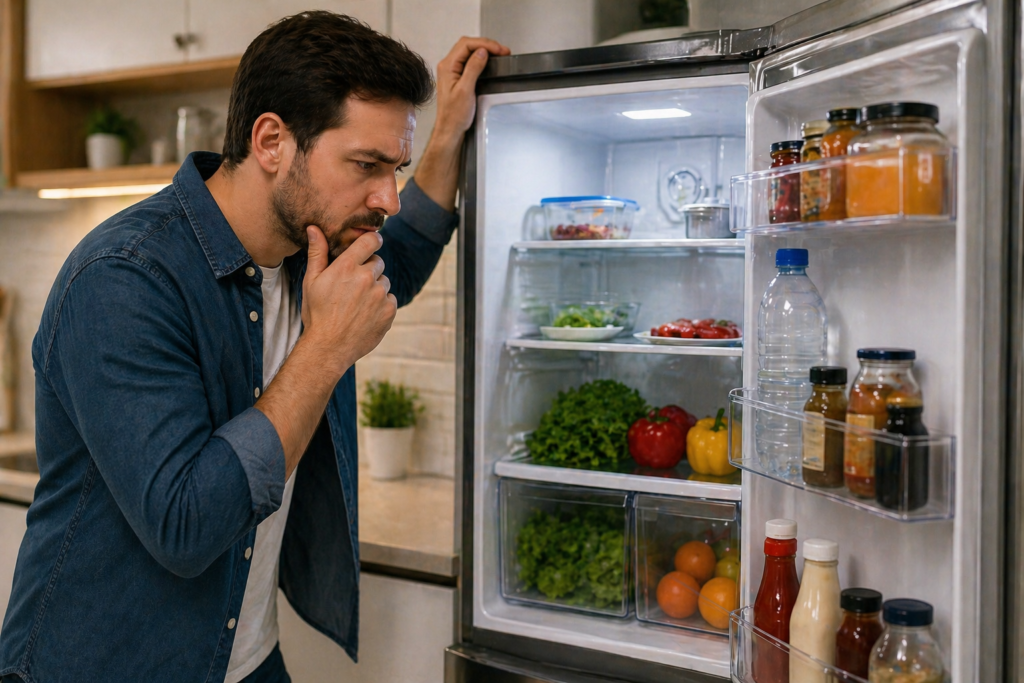
If your fridge takes long time to cool, it usually means the cooling system is working harder than it should or something is interfering with airflow and heat exchange. In real-life use, this often happens due to blocked vents, poor maintenance, or internal component issues. The solution depends on identifying where the cooling process is slowing down and correcting it step by step
Quick Key Takeaways
- If your fridge takes long time to cool, airflow restriction is often the main reason.
- Dirty condenser coils can reduce cooling efficiency significantly.
- Incorrect temperature settings can delay cooling performance.
- Frequent door opening allows warm air to enter repeatedly.
- Internal component issues may require professional repair.
Table of Contents
Why This Problem Feels Worse Than It Is
When a refrigerator cools slowly, most people assume the appliance is failing completely. In reality, a fridge rarely stops cooling all at once. Instead, it gradually loses efficiency. You might notice drinks taking longer to chill or leftovers not staying as fresh as expected. This slow decline is usually a sign that one part of the system is underperforming, not that the entire unit is broken.
A refrigerator doesn’t .create cold air .it removes heat from inside and releases it outside. If anything interrupts this process, cooling slows down. So when your fridge takes long time to cool, the issue is often related to heat not leaving the system efficiently or cold air not circulating properly inside.
How the Cooling System Actually Works

Understanding how your fridge operates helps you diagnose problems more accurately. Inside the system, refrigerant absorbs heat from the interior and carries it to the condenser coils, where that heat is released. Fans help move air across these coils and throughout the fridge compartments.
If airflow is restricted, or if heat cannot escape properly, the cycle becomes inefficient. The compressor keeps running longer to compensate, which explains why you might hear your fridge working continuously when cooling is slow.
What Happens in Real-Life Situations
In everyday use, the problem often starts with small habits rather than mechanical failure. For example, placing hot food directly into the fridge forces it to remove extra heat. Doing this repeatedly can make it seem like the fridge takes long time to cool, even though the system itself is technically working fine.
Another common situation is overloading the fridge after grocery shopping. When you suddenly fill it with room-temperature items, the internal temperature rises sharply. It can take several hours for the fridge to stabilize again, especially if airflow is blocked between items. These are normal scenarios, but if slow cooling becomes consistent, then a deeper issue is likely involved.
Common Causes That Slow Down Cooling
The reasons behind this issue are often practical and visible if you know where to look. Instead of assuming a major failure, it’s better to consider how the fridge behaves under normal conditions.
Here are the most common causes
- Restricted airflow inside the fridge
When food blocks vents, cold air cannot circulate evenly. Some areas stay warm while others freeze. - Dirty condenser coils
Dust buildup prevents heat from escaping, forcing the system to work longer. - Weak or damaged door seals
Warm air leaks inside, constantly disrupting the cooling cycle. - Incorrect temperature settings
A higher setting can make the fridge appear slow when it’s simply not set cold enough. - Frequent door opening
Each opening lets warm air in, delaying cooling progress. - Poor placement or ventilation
If the fridge is too close to a wall or heat source, it struggles to release heat efficiently.
These causes often overlap, which is why the problem can feel inconsistent or difficult to pinpoint
Quick Troubleshooting Guide
| Problem | Possible Cause | Solution |
|---|---|---|
| Slow cooling | Blocked airflow | Rearrange items |
| Fridge warm inside | Dirty coils | Clean coils |
| Uneven cooling | Fan issue | Check fan |
Step-by-Step Troubleshooting That Actually Works

When your fridge takes long time to cool, it’s important to approach the problem in a logical order. Jumping straight to complex repairs often leads to unnecessary costs.
Start with these steps
- Check internal airflow
Open the fridge and look for blocked vents. Rearrange items so air can move freely between shelves. - Inspect the temperature setting
Make sure it’s set around 37°F (3°C). Even a slight change can affect cooling speed. - Clean the condenser coils
Unplug the fridge and remove dust using a brush or vacuum. This simple step can noticeably improve performance. - Examine the door seal
Close the door on a piece of paper. If it slides out easily, the seal may not be tight enough. - Observe usage habits
Reduce how often the door is opened and avoid placing hot food directly inside. - Check surrounding space
Ensure there’s enough clearance behind and around the fridge for proper ventilation.
These steps address the most common real-world causes and often restore normal cooling without professional help
Pro Tips to Improve Cooling Performance
Always allow hot food to cool before placing it inside the fridge. Keep at least some space between items so cold air can circulate freely. Clean condenser coils regularly and avoid placing the fridge near heat sources like ovens or direct sunlight.
When the Problem Is Inside the System
If basic troubleshooting doesn’t solve the issue, the problem may involve internal components. This is where things become less visible but still follow clear patterns. A faulty evaporator fan, for example, prevents cold air from circulating inside the fridge. In this case, the freezer might still feel cold while the fridge section remains warm. This uneven cooling is a strong indicator of airflow problems within the system.
Similarly, low refrigerant levels reduce the system’s ability to absorb heat. When this happens, the compressor runs continuously, but the cooling effect remains weak. This is not something that can be fixed without specialized tools and expertise. Compressor issues are less common but more serious. If the compressor struggles to maintain pressure, the entire cooling process slows down significantly.
Real-Life Example: Why Cooling Slows After Restocking
Imagine you’ve just returned from grocery shopping and filled your fridge completely. Everything you put inside is at room temperature. The fridge now has to remove a large amount of heat all at once.
If airflow is slightly restricted or the coils are dusty, this process takes much longer than usual. You might think the fridge is faulty, but it’s actually working under heavier load conditions. This is why it’s often recommended to space out large loads or allow hot items to cool before placing them inside
You May Also Find This Helpful
If your fridge takes long time to cool, it’s often connected to airflow issues, temperature instability, or internal component problems. These guides will help you understand closely related issues and fix them step by step:
Real-Life Example: The Hidden Impact of Door Usage
In many households, the fridge door is opened frequently throughout the day. Each time it opens, warm air enters and moisture builds up inside. Over time, this creates a cycle where the fridge is constantly trying to recover from temperature changes. If your fridge takes long time to cool, consider how often it’s being opened. Even small changes in usage habits can make a noticeable difference in performance.
Mistakes That Make the Problem Worse
Many users unintentionally make adjustments that reduce cooling efficiency instead of improving it. Lowering the temperature setting too much is a common example. While it might seem like a quick fix, it forces the compressor to run longer, increasing wear without addressing the real issue.
Another mistake is ignoring early warning signs. If the fridge starts taking longer to cool and the issue is left unresolved, it can lead to more serious component failures over time. Skipping regular cleaning is also a major factor. Dust buildup doesn’t happen overnight, but once it accumulates, it significantly affects how the system releases heat.
When It’s Time to Call a Technician
There are situations where professional help becomes necessary. If your fridge takes long time to cool even after basic troubleshooting, it’s likely dealing with an internal fault.
You should consider calling a technician if:
- The fridge runs continuously without reaching the desired temperature
- You hear unusual clicking or buzzing sounds
- Cooling is uneven between compartments
- There are signs of refrigerant leakage
These issues require proper diagnosis and tools that aren’t available for DIY repairs
Safety Tips
Always unplug your refrigerator before cleaning coils or inspecting internal parts. Avoid touching electrical components if you are unsure. If you notice burning smells or electrical issues, stop using the appliance and contact a technician immediately.
Repair Costs and What to Expect
The cost of fixing a slow-cooling fridge depends on the underlying issue. Simple repairs like replacing a door seal are relatively inexpensive, while compressor or refrigerant problems can be more costly. In many cases, addressing the issue early reduces the overall expense. Waiting too long can turn a minor fix into a major repair.
How to Prevent Slow Cooling in the Future
Preventing this problem is mostly about consistent habits and basic maintenance. A well-maintained fridge rarely develops serious cooling issues.
Keep these practices in mind
- Clean condenser coils every few months
- Avoid overloading shelves
- Keep vents clear at all times
- Allow hot food to cool before storing
- Maintain proper spacing around the appliance
These small actions help the cooling system work efficiently and reduce strain on internal components.
Frequently Asked Questions
Why does my fridge take long time to cool after restocking?
Because adding room-temperature food increases internal heat load, requiring more time to stabilize.
How long should a fridge take to cool?
Typically 4–6 hours after startup, but longer if overloaded.
Can dirty coils cause slow cooling?
Yes, they prevent heat from escaping efficiently.
Final Thoughts
When a fridge takes long time to cool, it’s usually a sign of reduced efficiency rather than complete failure. Most issues come from airflow problems, maintenance neglect, or everyday usage habits. Addressing the cause early not only restores proper cooling but also extends the life of the appliance .If your fridge takes long time to cool, fixing the issue early can prevent bigger problems like compressor failure or high electricity bills. Identifying the exact cause helps restore normal cooling quickly and efficiently.
Muhammad Khalid
Founder of FixAppLab • Appliance Troubleshooting Specialist
Muhammad Khalid is the founder of FixAppLab, where he focuses on explaining real-world appliance problems with practical, easy-to-follow solutions. His work is based on how appliances behave in everyday use—helping homeowners understand not just what goes wrong, but why it happens.
He regularly publishes in-depth guides covering washing machine issues, refrigerator troubleshooting, and other home appliance repairs.


Comments