Fridge Condensation on Glass Shelves
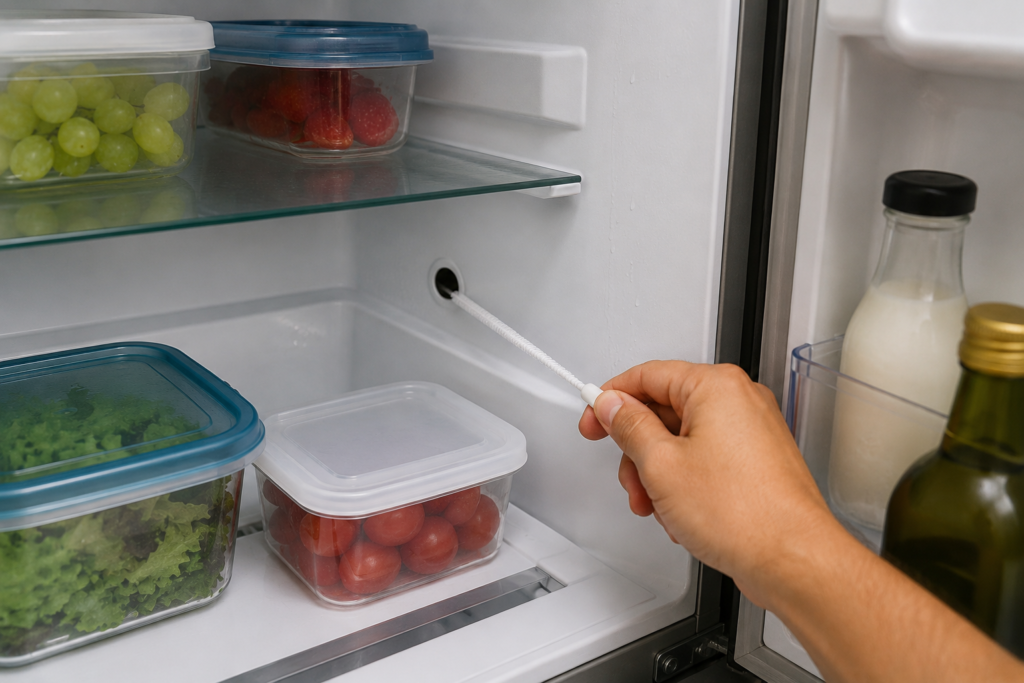
Fridge condensation on glass shelves usually happens when warm humid air enters the refrigerator and turns into moisture on cold surfaces. This guide explains the most common causes, practical fixes, and what to check before the problem becomes worse.
If you’ve ever opened your refrigerator to find water droplets pooling beneath a glass shelf or a thin layer of moisture fogging up the surface, you’re dealing with one of the most common — and commonly misunderstood — refrigerator moisture problems. In many cases, the appliance itself is not actually broken. The issue is often caused by excess humidity, blocked airflow, incorrect temperature settings, or warm air leaking through the door seal.
Fridge condensation on glass shelves should not be ignored because persistent moisture can eventually lead to odors, mold growth, water pooling, and unstable cooling performance. Once you understand where the moisture is coming from, fixing the problem becomes much easier and more effective.
Table of Contents
Why Glass Shelves Show Condensation More Than Anything Else
It helps to understand why glass shelves specifically tend to collect water droplets. Glass conducts cold very efficiently, which means the surface temperature of a glass shelf drops quickly and stays low. When warm, humid air enters the refrigerator. even briefly .it hits that cold glass surface and the moisture in the air converts to liquid almost immediately. It’s the same physics behind a cold drink sweating on a warm day.
Plastic bins or wire racks don’t show condensation as clearly because they don’t stay as uniformly cold, and water droplets evaporate or scatter more easily. Glass shelves, on the other hand, create a flat, cold collecting surface that holds moisture visibly. That’s why condensation in the fridge often appears most noticeably directly beneath glass shelves or on the underside where cold surfaces meet trapped humid air
The Real Causes Behind the Moisture Buildup
Warm Air Entering Through the Door
This is the most frequent culprit, and it often goes unnoticed. Every time the refrigerator door opens, a volume of warm, moisture-laden kitchen air floods in and replaces the cold dry air inside. Most of that moisture settles on the coldest surfaces . including glass shelves. as soon as the door closes again.
The problem compounds quickly in households where the fridge is opened frequently, left open during meal prep, or used by kids who browse without purpose. During summer or in humid climates, even short door openings bring in significantly more moisture than they would in dry winter air.
A Failing Door Gasket
The rubber seal running around the perimeter of your refrigerator door is responsible for keeping warm air out when the door is closed. When that gasket becomes cracked, warped, compressed over time, or coated in grease and food residue, it stops creating a proper airtight seal. What follows is a slow but constant leak of warm air into the refrigerator. even when the door appears fully closed.
You might not notice it immediately, but over time the fridge works harder, temperatures fluctuate slightly, and glass shelves develop persistent condensation that returns even after you wipe them down. A gasket failure is one of the few causes that creates truly relentless moisture buildup.
Uncovered Food and Hot Leftovers
Food stored uncovered inside the refrigerator continuously releases moisture into the surrounding air. Vegetables are especially heavy offenders. leafy greens, cucumbers, and fresh produce all off-gas moisture steadily as they sit. Liquids stored in open containers or improperly sealed bowls contribute the same way.
Placing hot food directly into the refrigerator amplifies the problem dramatically. Steam rising from warm leftovers gets trapped inside the closed compartment and immediately settles on the coldest surfaces. A single pot of hot soup placed uncovered in the fridge can raise the internal humidity enough to produce visible condensation on every glass shelf within an hour.
Blocked Airflow from Overcrowding

Refrigerators circulate cold air through internal vents to maintain even temperatures throughout the compartment. When shelves are packed too tightly, or when food containers are pushed directly against the rear vents, that airflow gets disrupted. The result is uneven cooling. certain areas of the fridge stay warmer than they should, and humid pockets form in zones where air isn’t moving freely.
Glass shelves positioned near these disrupted airflow zones tend to develop condensation because the temperature differential between the shelf surface and the surrounding stagnant air becomes more pronounced. Overcrowding doesn’t just cause moisture. it shortens food life and forces the compressor to work harder than necessary. Persistent fridge condensation on glass shelves usually points to airflow restrictions, excess humidity, or warm air entering through the refrigerator door seal.
You May Also Like
Fridge condensation is often connected to temperature swings, airflow problems, and failing components. If moisture keeps returning despite your fixes, these related guides can help you dig deeper into what’s really going on inside your refrigerator:
- Fridge Temperature Not Stable? 10 Causes and Easy Fixes That Actually Work
- Refrigerator Not Cooling Properly – 12 Causes and Easy Fixes That Work
- Fridge Losing Cooling Overnight – Why It Happens and How to Fix It
- Fridge Thermostat Not Working – Symptoms, Causes, and Fixes
- Fridge Temperature Overshooting – Causes and How to Fix It
- Fridge Working But Not Freezing Properly – Common Causes and Solutions
- Refrigerator Problems – 11 Common Issues and Complete Troubleshooting Guide
Temperature Settings That Are Off
The ideal refrigerator temperature sits between 35°F and 38°F (roughly 1.7°C to 3.3°C). If your fridge is running warmer than that range, the cooling system becomes less effective at managing humidity, and moisture accumulates more easily. Counterintuitively, a fridge set too cold can also cause condensation problems — partial freezing along the back wall followed by thawing during defrost cycles can produce water that migrates forward onto shelves.
Many homeowners assume their refrigerator is set correctly because it feels cold when they open it. But “feels cold” and “operating at the correct temperature” are not the same thing. Using an inexpensive refrigerator thermometer is the only reliable way to confirm the actual internal temperature
Why Glass Shelves Show Condensation More Than Anything Else
Fridge condensation on glass shelves often becomes worse in humid kitchens where warm air enters the refrigerator frequently throughout the day.
Common Mistakes That Often Make the Problem Worse
One of the biggest mistakes homeowners make is turning the refrigerator temperature much colder after noticing condensation. While this seems logical at first, overly cold settings can create partial freezing inside the compartment. During normal defrost cycles, that frost melts and often creates even more moisture buildup on glass shelves.
Another common issue is wiping away the water repeatedly without addressing the actual source of humidity. Condensation always forms for a reason — usually warm air intrusion, poor airflow, or excess internal moisture. Cleaning the shelves helps temporarily, but the droplets quickly return if the underlying cause remains unchanged.
Overpacking the refrigerator is another problem that quietly contributes to moisture buildup. Many people try to maximize every inch of storage space, but refrigerators need open airflow channels to regulate both cooling and humidity properly. When vents become blocked, cold air circulation weakens and moisture begins collecting in stagnant areas.
Storing hot leftovers immediately after cooking is also a frequent contributor. Even if the containers are covered, steam released from warm food raises humidity inside the refrigerator far faster than most people realize.
Troubleshooting the Problem Step by Step
Start With the Door Gasket
Before assuming anything mechanical is wrong, inspect the door seal carefully. Run your fingers along the entire gasket, feeling for soft spots, tears, gaps, or areas that feel stiff and no longer pliable. A quick test: close the refrigerator door on a dollar bill or a piece of paper. If you can pull it out without resistance, the seal at that spot isn’t holding. Do this test around the full perimeter of the door.
If the gasket is dirty but structurally intact, cleaning it thoroughly with warm soapy water can restore the seal in mild cases. Grease and food buildup prevent the rubber from compressing properly against the frame. If the gasket is cracked, warped, or no longer making consistent contact, it needs to be replaced. Gasket replacements are model-specific but generally inexpensive and manageable as a DIY repair
Check What’s Inside the Fridge
Do a quick audit of your food storage habits. Are there open containers? Produce stored loose without a bag or cover? Leftovers in bowls covered loosely with plastic wrap? Each of these contributes to the moisture level inside the compartment. Switch to airtight containers for leftovers, and make sure any fruits or vegetables that release significant moisture are stored in the crisper drawer rather than on open glass shelves.
Also look at how full the refrigerator is and whether items are blocking the rear vents. Pull things away from the back wall to allow air to circulate. If items are stacked to the point where the door barely closes or shelves are packed solid, that’s a setup for temperature inconsistency and moisture accumulation.
Verify the Temperature

Place a refrigerator thermometer in the center of the main compartment and check it after a few hours. If the reading falls outside the 35. 38°F range, adjust the thermostat accordingly and re-check after 24 hours. Minor temperature adjustments can take a full day to stabilize.
Inspect the Drain Hole and Drain Line
Most refrigerators have a small drain hole at the back of the compartment, usually near the bottom or behind a lower drawer. This drain exists to carry away the condensate water produced during normal cooling cycles. When it gets clogged . typically by food debris, mineral deposits, or ice . water has nowhere to go and backs up inside the compartment, often appearing beneath glass shelves or in the crisper area.
Locate the drain hole and clear any visible blockage gently using a pipe cleaner, a turkey baster with warm water, or the specialized drain-cleaning tool that came with some models. If you notice standing water pooling repeatedly at the bottom of the fridge, a clogged drain is a very likely explanation
When the Problem Points to Something Bigger
Most condensation issues on glass shelves resolve with the steps above. However, if you’ve cleaned the gasket, adjusted the temperature, reorganized the food storage, cleared the drain, and moisture keeps returning within a day or two . the problem may be internal. A malfunctioning defrost system is one possibility. Frost-free refrigerators run automatic defrost cycles to prevent ice from accumulating on the evaporator coils. If the defrost heater, thermostat, or timer fails, frost builds up on the coils and the cooling system becomes increasingly inefficient. The resulting temperature instability can cause condensation in unusual patterns and locations.
A failing evaporator fan motor is another possibility. If cold air isn’t being distributed properly through the compartment, you’ll notice uneven temperatures. some shelves warmer than others .and persistent moisture in specific zones. Similarly, a refrigerant leak can cause the unit to struggle to reach and maintain target temperatures, creating conditions favorable to condensation. These issues require a qualified appliance technician to diagnose and repair. Signs that you’re dealing with something beyond normal maintenance include: the compressor running almost constantly, ice buildup behind interior panels, temperatures that won’t stabilize even after adjustment, or water leaking outside the appliance onto the floor
When to Call a Refrigerator Technician
Light condensation after frequent door opening is usually normal, especially during humid weather. But if moisture keeps returning even after adjusting the temperature, improving airflow, and checking the door seal, the refrigerator may have a deeper internal problem that requires professional diagnosis.
- Water repeatedly pools beneath drawers or shelves
- Ice forms behind interior panels or around vents
- The compressor runs almost constantly without stabilizing temperature
- Cooling becomes uneven throughout the refrigerator compartment
- Moisture returns within hours even after cleaning and troubleshooting
- Water begins leaking outside the refrigerator onto the floor
Problems involving the evaporator fan, defrost system, temperature sensors, or refrigerant circulation usually require specialized tools and electrical testing. Catching those issues early can often prevent more expensive compressor or cooling system damage later.
Preventing It from Coming Back
Once you’ve identified and fixed the source of the problem, a few consistent habits will keep glass shelves dry going forward. Keep hot food out of the refrigerator. let leftovers cool to near room temperature before storing them. Store everything in covered, airtight containers. Minimize the time the door stays open. Clean the door gasket every month or two as part of normal kitchen maintenance, and don’t overload the refrigerator to the point where air can’t circulate. If you live in a particularly humid climate or your kitchen gets warm in summer, a small dehumidifier in the kitchen can make a noticeable difference in how hard your refrigerator has to work. Reduced ambient humidity means less moisture entering the compartment every time the door opens . Most cases of fridge condensation on glass shelves can be improved with better airflow, proper temperature settings, and regular door seal maintenance.
Fridge condensation on glass shelves is rarely a mystery once you know what to look for. In most cases, it comes down to moisture getting in through a compromised seal or improper food storage habits, and both are fixable without professional help. The key is not to ignore it. standing water inside a refrigerator creates conditions for mold, accelerates food spoilage, and can eventually cause water damage to the unit itself. A little attention now saves a much bigger headache later


Comments