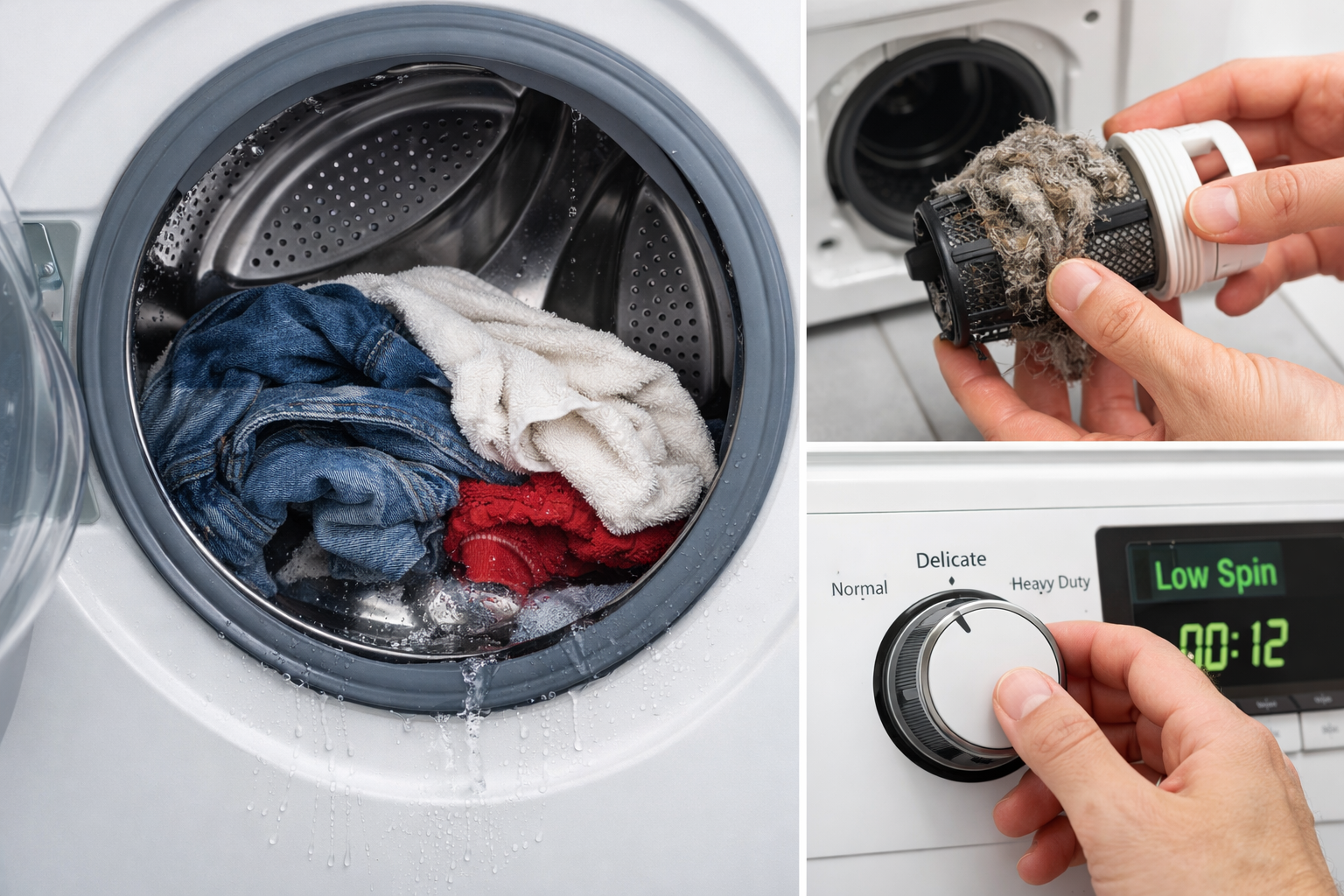
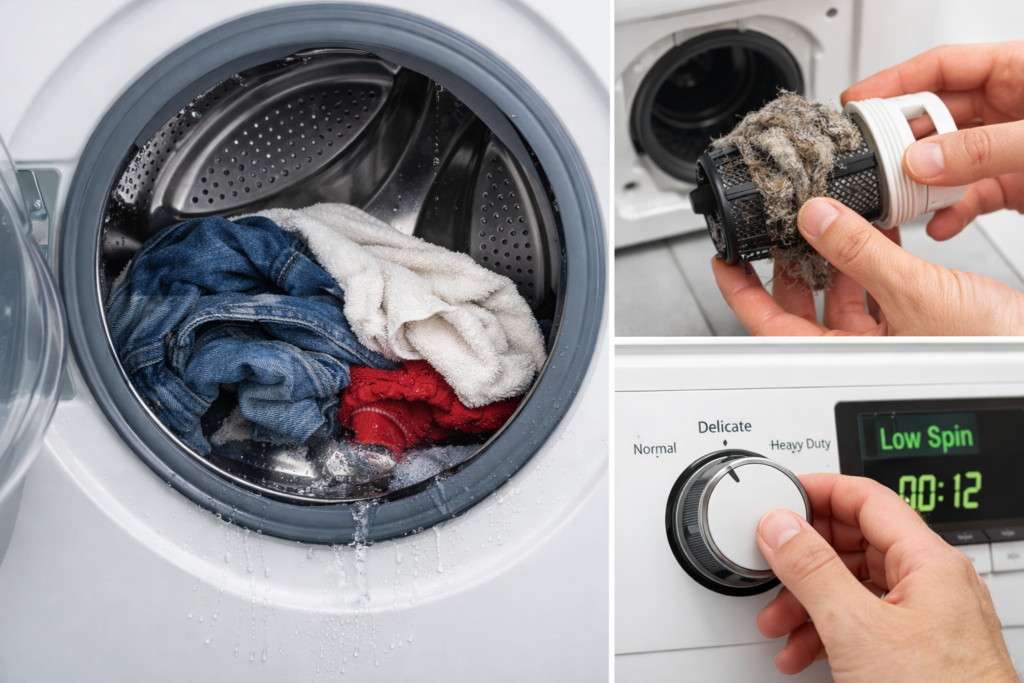
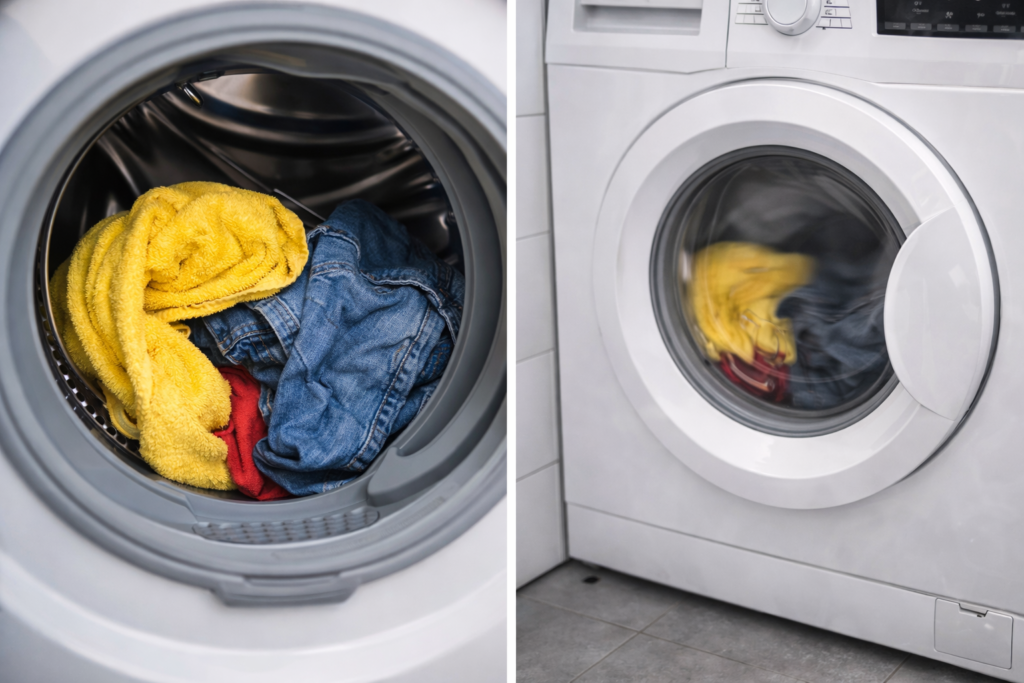
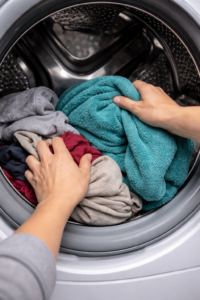
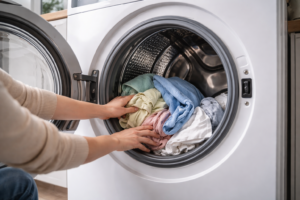
A washing machine that leaves clothes wet after spin cycle is usually dealing with a drainage restriction, an imbalanced load, or a performance limitation within its spinning system. In many situations, the issue is minor and can be resolved through simple adjustments rather than complex repairs
QUICK TROUBLESHOOTING
What to Check First If Clothes Come Out Wet
Before diving into complex repairs, these quick checks can often resolve the issue within minutes. Most cases of poor spin performance are caused by simple, fixable problems.
✓
Redistribute clothes if the load is unbalanced
✓
Clean the drain pump filter and remove debris
✓
Inspect the drain hose for kinks or blockages
✓
Run a spin-only cycle with a smaller load
If your washing machine leaves clothes wet after spin cycle, these quick checks can help you solve the issue quickly.
What the Spin Cycle Is Actually Supposed to Do
The spin cycle is designed for water extraction rather than cleaning. After rinsing, the drum rotates at high speed to force water out of fabrics using centrifugal force. When functioning properly, clothes should feel damp but not saturated or dripping.
This process relies on three key elements: balance, rotation speed, and proper drainage. If any of these factors are disrupted, water remains trapped within the fabric fibers. The machine may still complete its cycle, but the results will feel incomplete and inefficient.
It is also important to understand that a washing machine does not dry clothes. Its role is to remove as much water as possible before air drying or using a dryer. When clothes remain excessively wet, it usually indicates a disruption in this extraction stage rather than a failure of the entire wash process
Why the Problem Often Starts With the Load
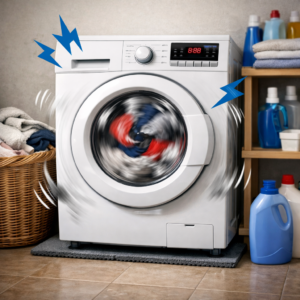
One of the most common reasons a washing machine leaves clothes wet after spin cycle is an unbalanced load. An uneven or overloaded drum is one of the most common reasons a washing machine leaves clothes wet after spin cycle. Modern washers are built with protective mechanisms that reduce spin speed or stop rotation entirely if imbalance is detected. Heavy fabrics such as towels, blankets, or denim tend to cluster together during washing. When these items shift to one side of the drum, the machine loses stability. Instead of spinning at full speed, it slows down or pauses to prevent internal damage.
Common signs of load imbalance include
Excessive vibration or shaking
Extended or interrupted cycles
Clothes gathering unevenly inside the drum
Correcting this issue is often simple. Redistributing the load or reducing its size allows the drum to rotate evenly. In many cases, this adjustment restores proper spin performance without requiring any technical repair
When Water Has Nowhere to Go
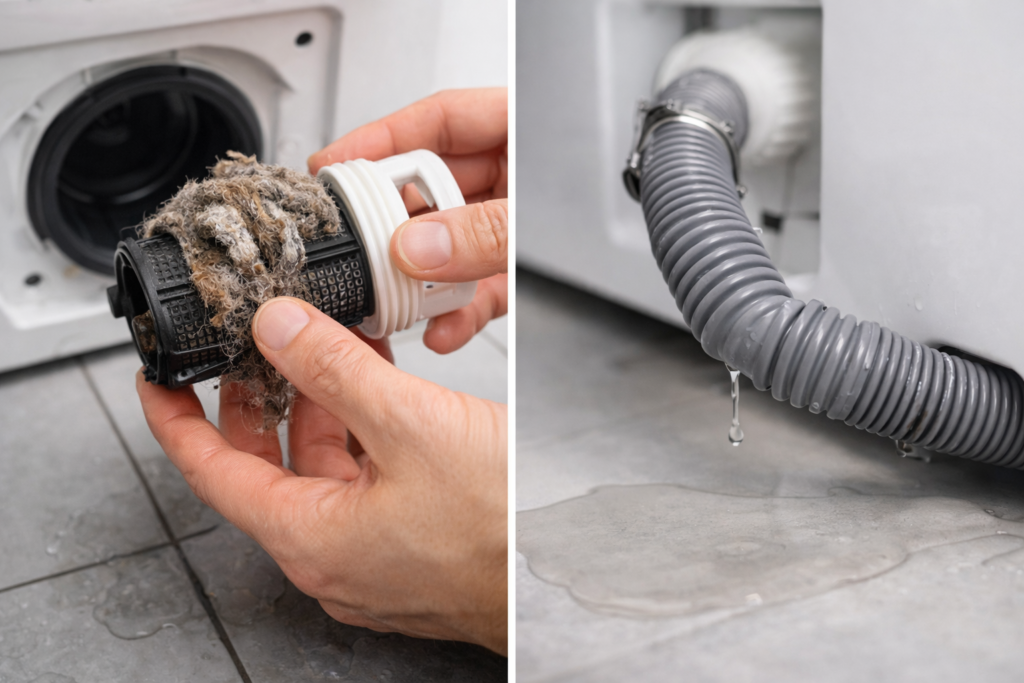
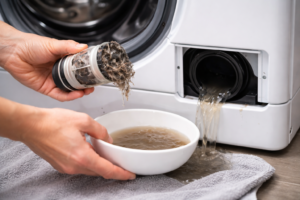
Even if the drum spins correctly, the extracted water must be removed efficiently. A restricted drainage system can prevent this process, leading to clothes that remain overly wet. Over time, debris such as lint, coins, or small fabric particles can accumulate in the drain pump filter or internal hoses. While water may still drain slowly, it may not exit quickly enough during the spin cycle. As a result, moisture lingers in the drum and is reabsorbed by the laundry. A clogged drain system is another major reason why a washing machine leaves clothes wet after spin cycle.
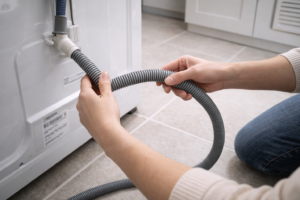
Drain hose positioning also plays a critical role. A hose that is kinked, bent, or installed too high can restrict water flow. In some cases, improper installation may even allow water to flow back into the washer. This type of issue often develops gradually. Because the machine continues to function, users may not notice the problem until clothes begin coming out consistently wetter than expected
Quick Tip:
Always check the drain filter first. Even a small blockage can reduce spin performance and leave clothes wet.
Mechanical Parts That Influence Spin Performance
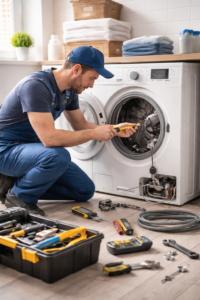
When the issue persists across multiple cycles, internal components may be affecting performance. Several mechanical parts must work together to achieve proper spin speed and water removal. The drive belt connects the motor to the drum. If it becomes loose, worn, or damaged, the drum may rotate without reaching optimal speed. As a result, clothes move but retain excess moisture due to insufficient centrifugal force.
The drain pump is responsible for removing water from the drum. A weak or partially blocked pump can leave residual water behind, even when the drum spins normally. This creates the impression of poor spin performance, even though the issue lies in water removal.
Another critical component is the lid switch or door lock mechanism. Many washing machines are designed not to spin at full speed unless the lid is securely closed. If this switch malfunctions, the washer may limit its spin capability as a safety precaution. These mechanical issues are not always visible, but they tend to produce consistent results—each load finishes with noticeably wetter clothes In some cases, a washing machine leaves clothes wet after spin cycle due to worn internal components like the motor or belt.
Step-by-Step Fix You Can Try at Home
Turn off the washing machine and unplug it
Open and clean the drain pump filter
Inspect the drain hose for kinks or blockage
Reduce load size and balance clothes evenly
Run a spin-only cycle to test performance
Cycle Settings and User Habits Matter More Than Expected
Not all wash cycles are designed to remove the same amount of water. Certain settings, especially delicate or gentle cycles, intentionally use lower spin speeds to protect fabrics. When these settings are used for heavy loads, clothes may remain wetter than expected.
This can create confusion, as the machine appears to complete its cycle correctly. In reality, it is operating according to the selected program rather than performing at maximum extraction capacity. User habits can also influence performance. Pausing a cycle mid-way may prevent the washer from reaching full spin speed when restarted. Similarly, using excessive detergent can create too many suds, which reduce friction between fabrics and limit effective water extraction.
These factors may seem minor, but they collectively affect how efficiently the washing machine removes water during the spin phase This is another situation where a washing machine leaves clothes wet after spin cycle even though it appears to be working normally.
Common Mistakes That Make the Problem Worse
Overloading the washing machine frequently
Ignoring minor drainage issues
Using excessive detergent
Selecting incorrect wash cycles for heavy loads
Related Washing Machine Issues
If your washing machine is showing similar behavior, these related problems may help you identify the exact cause:
Why a Washing Machine Leaves Clothes Wet After Spin Cycle
It is easy to assume that consistently wet clothes indicate a major appliance failure. In reality, a washing machine leaving clothes wet after spin cycle does not always mean the unit is severely damaged or beyond repair. In many cases, the machine is still functioning within its operational limits. It may still spin, drain, and complete cycles, but not at optimal efficiency. This distinction is important when deciding whether repair or adjustment is necessary.
At the same time, this issue should not be ignored. Ongoing moisture retention can lead to musty odors, longer drying times, and increased energy use. While the machine continues to operate, its performance remains compromised. Recognizing this balance helps avoid unnecessary replacements while still addressing the root cause in a practical way.
Pros and Limitations of Fixing This Issue
Simple fixes like load balancing work quickly
Cleaning drainage improves long-term performance
Some problems require professional repair
Ignoring the issue can damage internal parts
Two Everyday Situations That Show How This Happens
In one scenario, a household regularly washes mixed loads that include towels, shirts, and jeans. The washing machine completes its cycle, but the clothes feel heavier than expected. Once the load is divided into smaller, more balanced batches, the issue resolves without any mechanical repair.
In another situation, a user notices that their washer performs well on a manual spin cycle but leaves clothes wet during standard cycles. Upon inspection, a partially clogged drain filter is found. After cleaning it, the machine returns to normal performance. These examples demonstrate how small, often overlooked factors can significantly affect washing results.
Safety and Practical Considerations
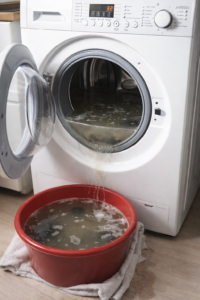
Handling a washing machine involves both electrical and water-related risks, making safety essential. Before inspecting internal components or cleaning filters, the power supply should always be disconnected. If water remains inside the drum, it should be drained carefully to prevent spills or accidental damage. Using proper tools instead of improvised solutions reduces the likelihood of injury or further complications. Certain problems, such as electrical faults or motor issues, are best addressed by a qualified technician. Attempting complex repairs without proper knowledge can worsen the situation.
Routine maintenance remains the safest and most effective approach:
Clean the drain filter regularly
Check hoses for bends, clogs, or improper positioning
Use the correct amount of detergent
These preventive measures help maintain consistent performance and reduce the likelihood of recurring problems.
Where Expectations and Reality Don’t Always Match
There is a widespread expectation that a washing machine should leave clothes nearly dry after every cycle. While modern washers are efficient, they are still limited by fabric type, load size, and spin speed settings. Thicker materials naturally retain more water. Larger loads reduce airflow and restrict drum movement. Lower spin speeds, while protective for delicate fabrics, result in higher moisture levels.
Some claims suggest that a single adjustment can resolve all instances of wet laundry. In practice, outcomes are influenced by multiple overlapping factors. Treating the issue as a single-cause problem often leads to unnecessary frustration. A more accurate approach considers how load distribution, cycle selection, and machine condition interact to produce the final result.
A Note on Evolving Understanding
Washing machine technology continues to evolve, particularly with energy-efficient models. These machines often use adaptive sensors, reduced water levels, and variable spin speeds, which can influence how clothes feel after a cycle.
As designs change, so does user understanding of performance expectations. Methods that worked for older machines may not apply in the same way to newer systems. Observing how your specific washer behaves over time remains one of the most reliable ways to identify patterns and address issues effectively.
Looking at the Problem Without Overcomplicating It
When a washing machine leaves clothes wet after spin cycle, the underlying cause is often simpler than it initially appears. Most cases relate to load balance, drainage efficiency, or reduced component performance. When a washing machine leaves clothes wet after spin cycle, the cause is often simpler than it first appears.
Taking a step back and evaluating the situation methodically often leads to a clearer solution than immediately assuming a major fault. Sometimes, a small adjustment in how the machine is loaded or used is enough to restore proper function, and that quiet correction often makes the difference.
This is a common situation where a washing machine leaves clothes wet after spin cycle even after completing the full program. If your washing machine leaves clothes wet after spin cycle repeatedly, it usually points to a drainage or balance issue.
This guide is based on real-world appliance troubleshooting patterns and practical usage observations.
Frequently Asked Questions
Why does my washing machine leave clothes wet after the spin cycle?
A washing machine leaving clothes wet after spin cycle is usually caused by an unbalanced load, clogged drain system, or low spin speed setting. When the drum cannot spin properly or water cannot drain efficiently, moisture remains trapped in the fabric. Checking load distribution, cleaning the drain filter, and selecting the correct cycle often resolves the issue.
How do I fix a washing machine that won’t spin clothes dry?
Start by redistributing the laundry to fix any imbalance and avoid overloading the drum. Then inspect the drain hose, pump filter, and spin settings to ensure proper water removal. If the problem continues, internal parts such as the drive belt, motor, or lid switch may need inspection or replacement
Can a clogged drain cause clothes to stay wet after washing?
Yes, a blocked drain pump or clogged filter is one of the most common causes. When water cannot exit the machine quickly during the spin cycle, it stays inside the drum and soaks back into the clothes. Regular maintenance, including cleaning the filter and checking for debris, helps prevent this issue.
Why are my clothes still wet even after a full spin cycle?
Clothes may remain wet if the machine is using a low spin speed cycle, such as a delicate setting, or if the load is too heavy. Excess detergent can also create too many suds, reducing the effectiveness of the spin cycle. Choosing the right program and using the correct detergent amount improves drying results.
Is it normal for clothes to be slightly wet after the spin cycle?
Yes, it is normal for clothes to be damp but not dripping after a proper spin cycle. Washing machines are designed to remove most of the water, not completely dry fabrics. If clothes come out soaking wet instead of slightly damp, it usually indicates a problem with spinning performance or drainage efficiency.
How to Prevent This Problem in the Future
Avoid overloading the washer drum
Clean the drain filter regularly
Use the correct amount of detergent
Check hoses for kinks or blockages
ARTICLE AUTHOR
Muhammad Khalid
Founder of FixAppLab • Appliance Troubleshooting Specialist
Muhammad Khalid is the founder of FixAppLab, a platform focused on simplifying appliance troubleshooting for everyday users. His work centers on explaining how washing machines, dryers, refrigerators, and dishwashers function, along with the real causes behind common mechanical and electrical problems. His goal is to make complex issues easier to understand and solve without unnecessary confusion.