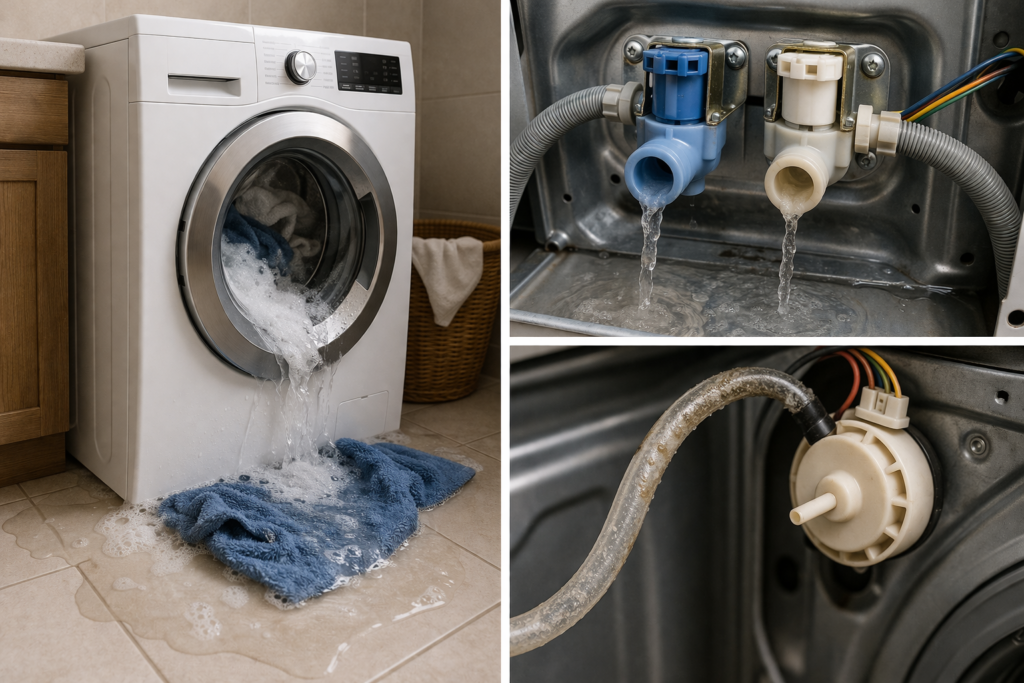
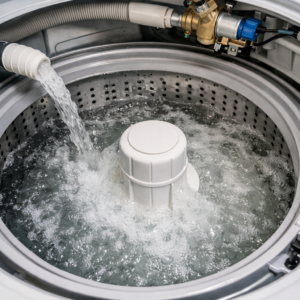
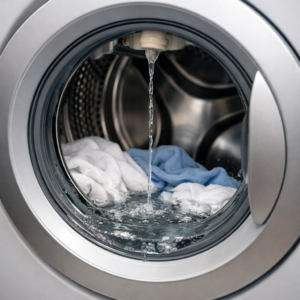
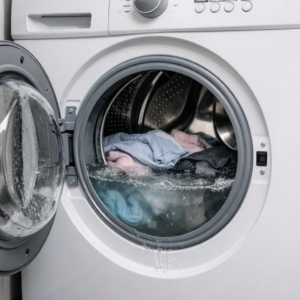
A washing machine overfilling with water usually indicates a failure in how the appliance detects or controls water levels. In most cases, the issue stems from a faulty water inlet valve, a malfunctioning pressure switch, or a disrupted sensing system that no longer signals the washer to stop filling
Quick Answer: A washing machine overfilling with water is usually caused by a faulty inlet valve, pressure switch failure, or a blocked pressure tube that prevents proper water level control.
What Overfilling Actually Tells You About the Machine
When a washer fills beyond its normal capacity, it is not acting unpredictably. The appliance is still following its programmed cycle, but it is either receiving incorrect signals or failing to respond to them properly. Inside modern washing machines, water enters through a controlled valve, while an internal sensing mechanism determines when the correct level has been reached.
When this balance is disrupted, the machine continues filling because it no longer recognizes that the required water level has been achieved. This makes washing machine overfilling with water less of a surface-level issue and more of a communication breakdown between internal components.
From a practical standpoint, this problem is rarely caused by external water pressure or supply issues. Instead, it usually points to an internal failure where one or more components are no longer functioning as intended.
In simple terms, a washing machine overfilling with water happens when the system fails to stop water at the correct level.
How the Water Level System Works in Plain Terms
To understand why a washing machine is overfilling with water, it helps to look at how the system operates in simple terms. The process relies on a coordinated interaction between a few essential parts that regulate water intake and level detection.
The key components include
Water inlet valve: Controls the flow of water into the drum by opening and closing at the appropriate time
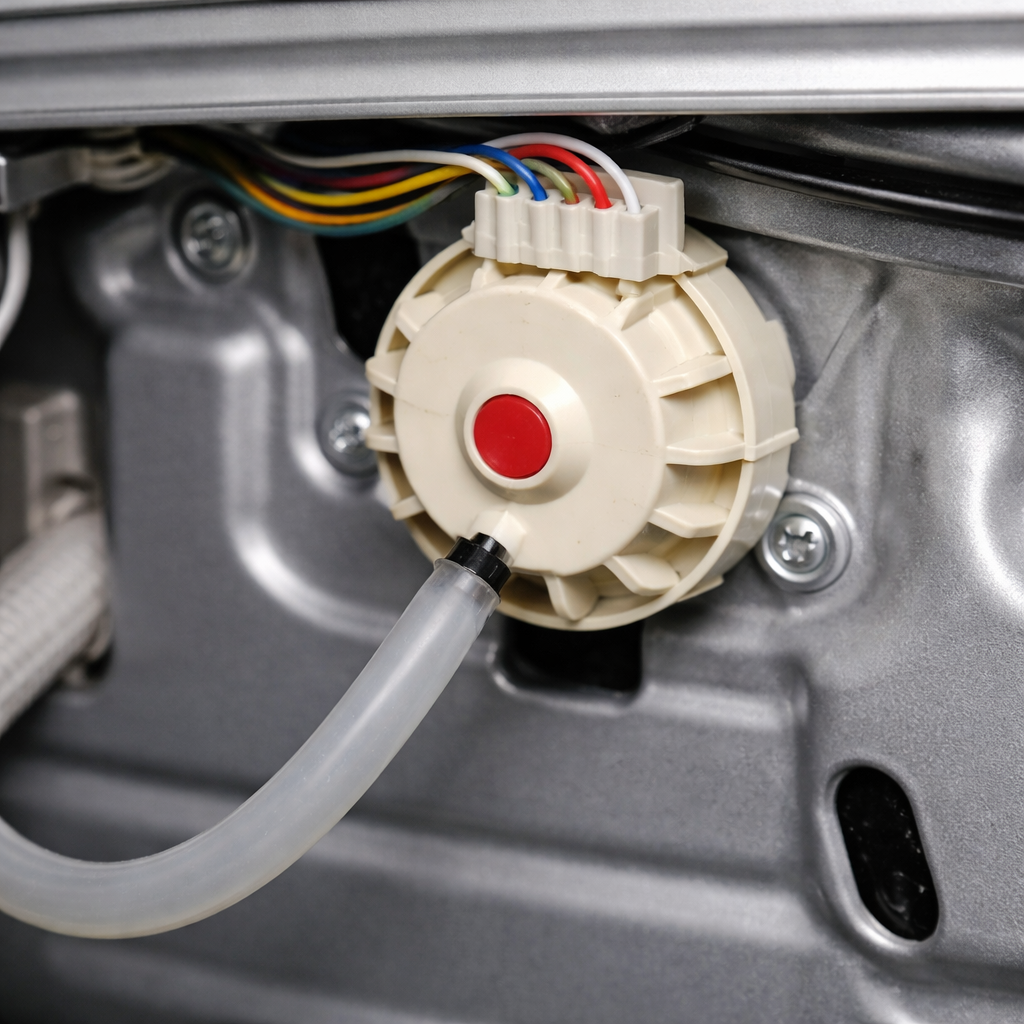
Pressure switch (water level sensor): Detects how much water is inside the machine
Air pressure tube (air dome tube): Transfers air pressure signals from the drum to the pressure switch
As the drum fills, air pressure builds within the tube. This pressure travels to the switch, which then signals the machine to close the inlet valve once the desired level is reached. When all parts function correctly, the process remains automatic and consistent. If any one of these components fails, the washer keeps filling with water continuously, because the signal to stop never reaches the control system.
The Most Common Reasons Washing Machine Overfilling With Water Happens
Most cases of a washing machine overfilling with water can be traced to a limited number of underlying causes. Each one disrupts the system differently, but all lead to the same outcome—uncontrolled water intake.
A Valve That No Longer Closes Properly
If water continues entering the machine even when it is turned off or unplugged, the inlet valve is likely stuck open. This is typically a mechanical failure caused by mineral deposits, sediment buildup, or worn internal components. In this situation, the washer is not actively filling through its cycle. Instead, water flows continuously because the valve cannot close completely, leading to gradual or sudden overflow.
A Sensor That Stops Reading Water Levels
The pressure switch plays a critical role in monitoring water levels. When this component fails, the machine cannot detect when it has reached the correct level, so it continues filling indefinitely. This issue can be misleading because the washer may appear to be operating normally. The only noticeable difference is that the water level keeps rising beyond what is appropriate for the selected cycle.
A Blocked or Damaged Pressure Tube
The pressure tube connects the drum to the sensor and allows air pressure to regulate water levels. If this tube becomes clogged with debris, kinked, or damaged, pressure changes are not transmitted correctly. As a result, the machine behaves as though the drum is still empty. This leads to continuous filling, even though the washer may already be at or above its intended capacity.
Excessive Suds Interfering With Sensing
Using too much detergent or the wrong type—especially in high-efficiency (HE) washing machines—can produce excessive foam. These suds can interfere with the sensor’s ability to detect actual water levels. Although this may not always cause dramatic overflow, it can lead to higher-than-normal water levels and inefficient wash cycles, often mistaken for a mechanical fault
In many households, a washing machine overfilling with water does not occur suddenly. Instead, it develops gradually, often going unnoticed until the issue becomes obvious.
One common scenario involves a washer that begins taking slightly longer to fill. Initially, this change may seem insignificant. Over time, the water level increases incrementally until it eventually overflows during a cycle. In such cases, the cause is often a partially blocked pressure tube that slowly loses its ability to transmit accurate readings.
Another situation may arise after moving or repositioning the appliance. The machine may function normally at first, but days later it begins to overfill. This can happen when the pressure tube becomes bent or misaligned during movement, disrupting the internal sensing mechanism without any visible external damage. These examples highlight how the issue can develop quietly before becoming a noticeable problem.
What This Problem Does and What It Doesn’t Do
A washing machine overfilling with water can quickly create a mess, but its effects are often misunderstood. Understanding what this issue actually does—and what it does not do—helps set realistic expectations.
What it does
Increases the risk of water overflow, leading to potential floor and structural damage
Places stress on internal components, including seals and electronic parts
Reduces washing efficiency due to imbalance and improper detergent concentration
What it does not do
It does not improve cleaning performance
It does not mean the machine is using more effective wash cycles
It does not resolve itself without intervention
There is a common assumption that more water leads to better cleaning. In reality, excessive water can dilute detergent, disrupt agitation, and leave clothes less clean rather than more.
Practical Ways to Approach the Issue
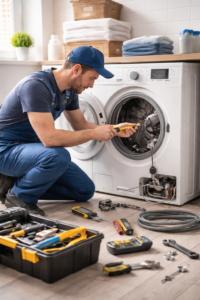
When addressing a washing machine overfilling with water, a structured and careful approach is essential. Acting quickly can prevent further damage while helping identify the root cause.
Start with immediate safety measures
Turn off the washing machine
Shut off the water supply valves
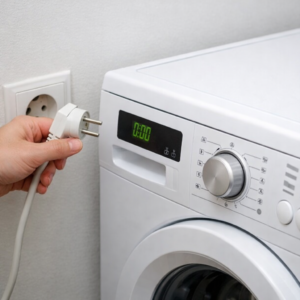
Unplug the appliance from the power source
Once the area is safe, begin with basic checks
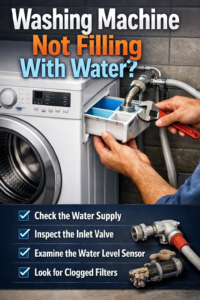
Observe the machine when unplugged If water continues to flow, this strongly indicates a faulty inlet valve.
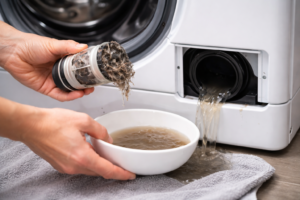
Inspect the pressure tube Look for cracks, blockages, or bends that may disrupt airflow and pressure signals.
Pay attention to subtle performance changes A washer that takes longer to fill or behaves inconsistently may already be showing early signs of failure.
These steps do not require specialized tools, but they can significantly narrow down the issue before deciding whether a repair or component replacement is necessary.
In some cases, this issue may also be connected to
water intake problems
that affect how the machine regulates filling cycles.
Safety and Real-World Considerations
Working on a washing machine involves both water and electricity, which requires caution. Even simple inspections should always be carried out with the appliance disconnected from its power source to avoid electrical hazards.
Water damage is another important consideration. A single overflow can seep into flooring, weaken materials, and create an environment where mold and mildew can develop. Addressing the problem early reduces the risk of long-term structural damage and costly repairs.
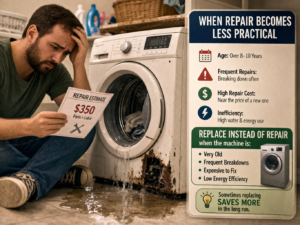
There are also practical limits to do-it-yourself solutions. While tasks such as cleaning a hose or replacing a visible component may be manageable, diagnosing electrical faults or replacing a control board often requires professional expertise and specialized tools.
Important: Why This Problem Should Not Be Ignored
Can cause serious water damage to floors and walls
Leads to higher electricity and water bills
May permanently damage internal washing machine components
Why is my washing machine overfilling with water even when it is turned off?
If your washing machine is overfilling with water while turned off, the most likely cause is a faulty water inlet valve. This valve can get stuck open due to mineral buildup or internal damage, allowing water to flow continuously. In this situation, the issue is mechanical rather than electronic, and replacing the valve is usually required.
How do I fix a washing machine that keeps filling with water?
To fix a washing machine overfilling with water, start by unplugging the machine and turning off the water supply. Then check the inlet valve, pressure switch, and pressure hose for faults or blockages. If the machine still fills when unplugged, the inlet valve is likely defective; if it stops, the pressure switch or sensing system may need repair or replacement.
Can too much detergent cause a washing machine to overfill?
Yes, using excessive detergent—especially in high-efficiency washers—can create too many suds. These suds can interfere with the machine’s water level sensor, making it appear as if more water is needed. While this may not always cause severe overflow, it can lead to higher water levels and inefficient washing performance.
Is it safe to keep using a washing machine that overfills with water?
No, continuing to use a washing machine that is overfilling with water can lead to water damage, electrical risks, and internal component wear. It is best to stop using the appliance immediately, identify the cause, and fix the issue before running another cycle to prevent further damage or costly repairs.
Muhammad Khalid is the founder of FixAppLab, a specialized platform focused on appliance troubleshooting, repair guidance, and maintenance education. He writes in-depth, practical content designed to help homeowners understand how everyday appliances work and how to identify common issues such as washing machine overfilling with water, drainage problems, and electrical faults.
His approach combines clear explanations with real-world problem-solving, making complex mechanical and technical topics easier to understand for beginners. His work emphasizes safe troubleshooting methods, cost-saving repairs, and long-term appliance care.
Washing Machine Issues
Appliance Repair Tips
Home Maintenance


Pingback: 7 Causes of Washing Machine Not Stopping Water (Easy Fix Guide) - fixapplab.com