A washing machine skipping spin cycle usually indicates a balance issue, drainage problem, or safety mechanism at work rather than a serious mechanical failure. In many situations, the washer is intentionally preventing the spin cycle to avoid internal damage, and the underlying cause is often easier to resolve than it first appears
Key Takeaways
Unbalanced loads are the most common reason for spin issues
Drainage problems can stop the washer from spinning
Faulty lid switch or drive belt can cause spin failure
Simple fixes often solve the issue without repair
How the Spin Cycle Actually Works
To understand why a washer may skip spinning, it helps to look at how the spin cycle functions within the overall wash process. After completing the wash and rinse phases, the machine drains out the water and then rotates the drum at high speed to extract moisture from clothing. This stage is essential for reducing drying time and ensuring clothes are not left excessively wet.
For the spin cycle to begin, the washing machine must confirm several conditions. It needs to verify that water has drained properly, that the load inside the drum is evenly distributed, and that safety mechanisms—such as the lid switch in top-load washers or the door lock in front-load models—are fully engaged. These checks are part of the washer’s built-in control system.
If any of these conditions are not met, the machine may pause, retry, or skip the spin phase entirely. This behavior is not always a malfunction. In many cases, it reflects a protective response designed to prevent excessive vibration, internal wear, or potential damage to key components
Why Skipping the Spin Cycle Happens
The term washing machine skipping spin cycle may sound like a single fault, but it actually represents a range of possible issues. It is better understood as a symptom that can stem from several underlying causes, including mechanical, electrical, and operational factors.
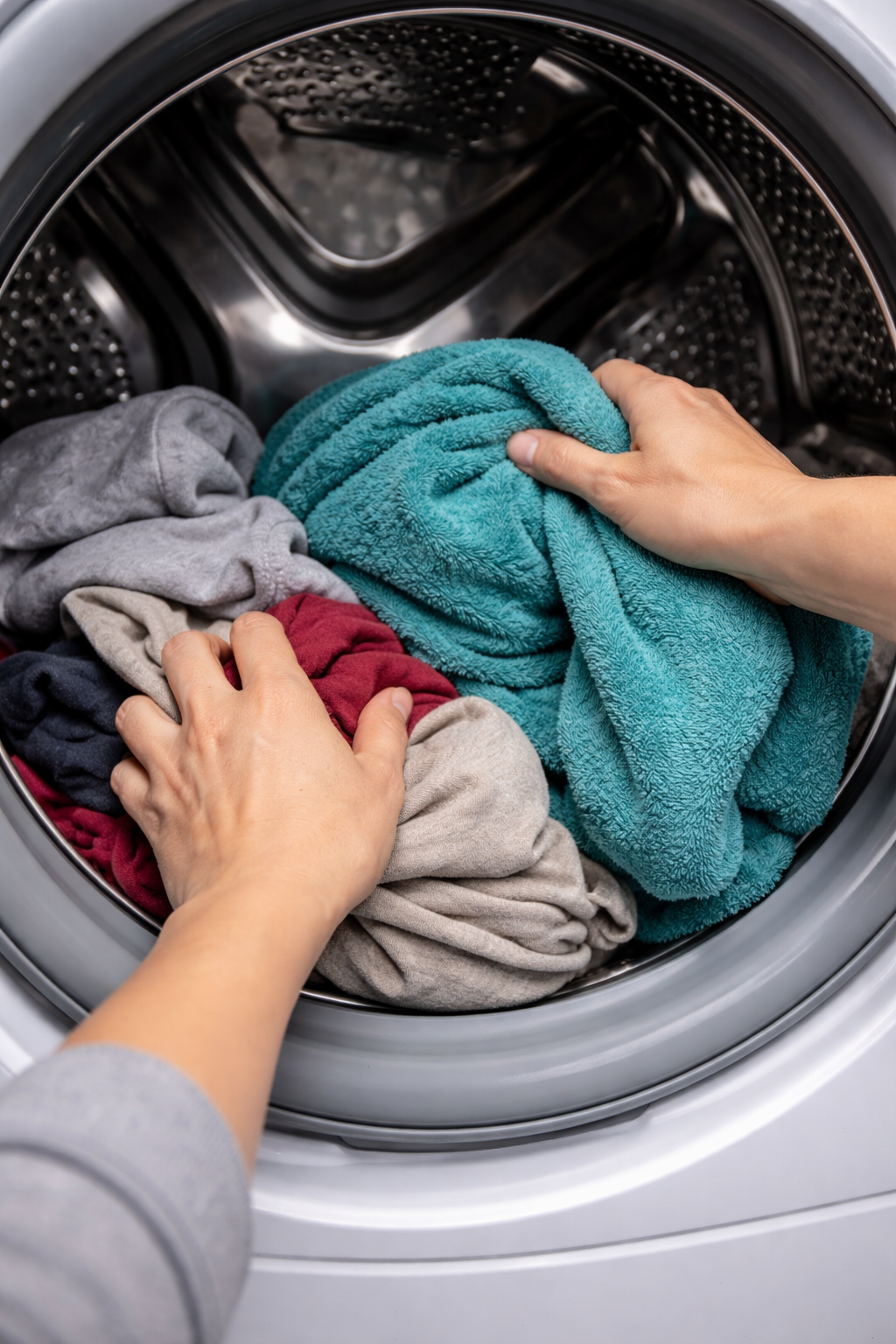
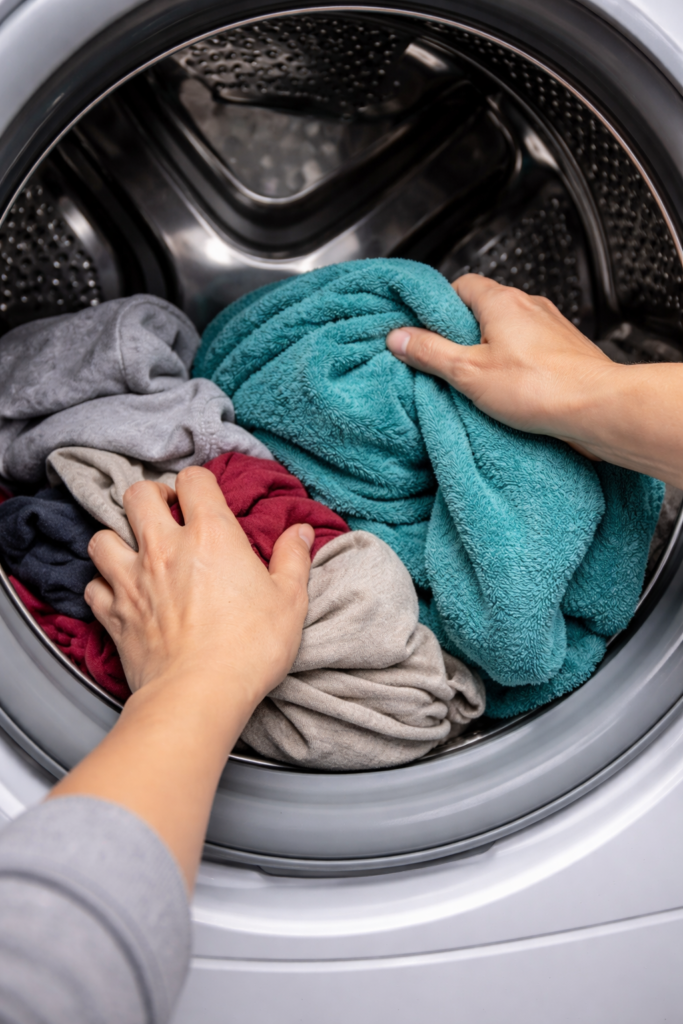
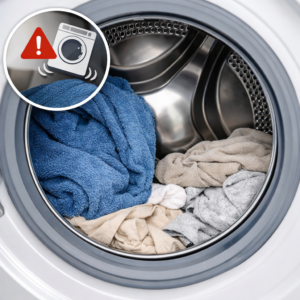
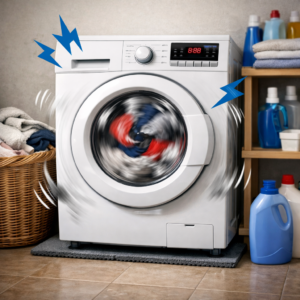
One of the most common causes is an unbalanced load. When clothing gathers unevenly on one side of the drum, it creates instability. At high spin speeds, this imbalance can place stress on internal parts or cause the machine to shake excessively. Most modern washing machines are equipped with sensors that detect this condition and stop the spin cycle to prevent damage.
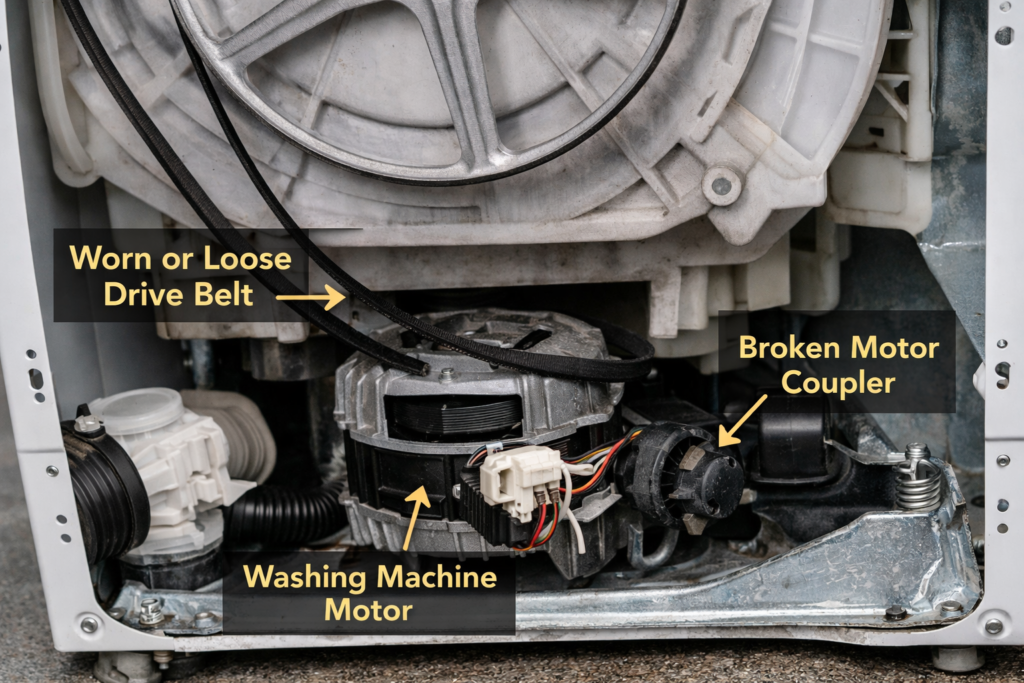
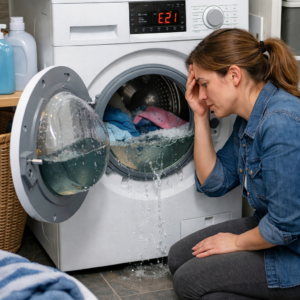
Another frequent factor is incomplete drainage. If water remains inside the drum, the washer may not proceed to spinning because the added weight and resistance can strain the motor and other components. In such cases, the machine may attempt to drain again or skip the spin phase entirely. Mechanical and electrical issues can also contribute to the problem. These may include:
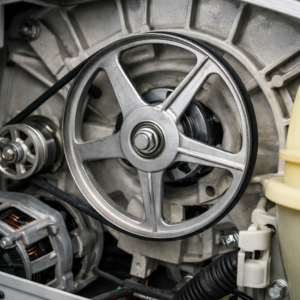
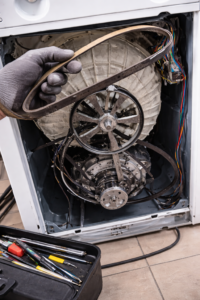
A worn or loose drive belt that cannot transfer motion effectively
A faulty lid switch or door lock that fails to signal proper closure
A control board or timer that misinterprets operational signals
Each of these issues interrupts the normal wash sequence, resulting in a skipped spin cycle instead of a completed program
Still having trouble with your washing machine?
Explore more expert guides and step-by-step fixes to solve your problem quickly.
Everyday Situations That Lead to This Problem
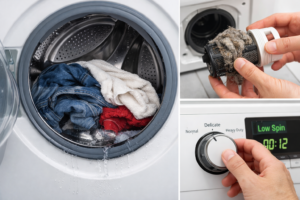
The washing machine skipping spin cycle issue often arises in routine laundry situations rather than unusual circumstances. Everyday habits and load types can easily trigger conditions that prevent spinning. For example, washing heavy items such as towels or bedding can lead to imbalance. These materials absorb significant amounts of water and tend to clump together. As the machine prepares to spin, the weight shifts to one side of the drum. The washer detects this uneven distribution and stops the spin cycle, leaving clothes wet at the end.
Smaller loads can create similar problems. Washing a single bulky item, such as a hoodie or a pair of jeans, may seem harmless. In reality, the uneven weight distribution can still trigger the washer’s safety system. Even though the load is light, the imbalance is enough to prevent proper spinning. These scenarios highlight how sensitive modern washers are to load distribution. They are designed to prioritize stability and safety, even in everyday use.
Simple Adjustments That Often Solve It
Before assuming a mechanical fault, several practical adjustments can often resolve the issue quickly. These steps focus on improving balance, drainage, and overall operating conditions.
Start by distributing laundry evenly inside the drum. Avoid placing items in a single cluster, and try mixing heavy and lightweight fabrics to create a more balanced load. This simple change can significantly reduce the chances of the washer skipping the spin cycle.
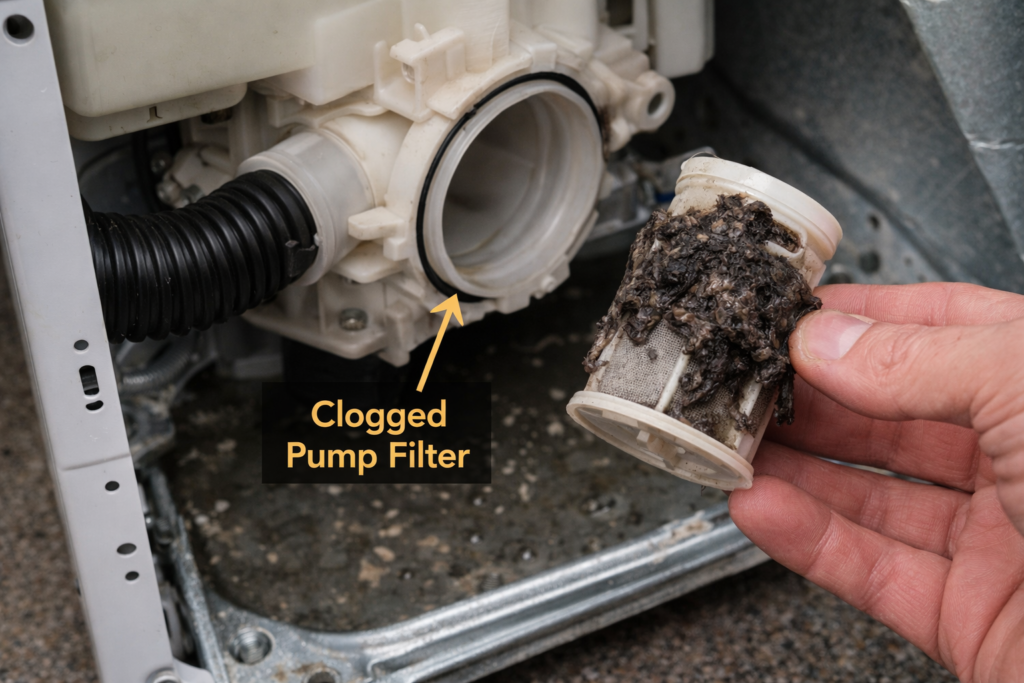
Next, check whether the machine is level. Washing machines rely on stable positioning to operate correctly. Even a slight tilt can affect drum movement during high-speed spinning. Adjusting the leveling feet so the washer sits evenly on the floor can improve performance and reduce vibration. Drainage should also be inspected. A partially blocked drain hose or a clogged pump filter can slow water removal, which may prevent the spin cycle from starting. Cleaning the filter and ensuring the hose is free of kinks or obstructions can restore normal operation. These basic adjustments often resolve the problem without requiring tools or professional repair.
When Internal Components Become the Cause
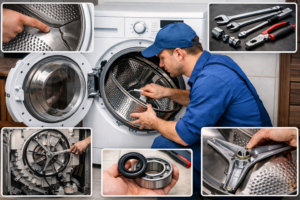
If the washing machine skipping spin cycle persists despite proper load balancing and leveling, the issue may involve internal components. Over time, certain parts can wear out or fail, affecting the washer’s ability to spin effectively. Several mechanical components play a direct role in the spin process. The drive belt transfers power from the motor to the drum, allowing it to rotate. In top-load washers, the motor coupler connects the motor to the transmission. Suspension systems, including rods and shock absorbers, stabilize the drum during high-speed operation.
When these components degrade, the washer may still fill, wash, and drain normally but fail during the spin phase. The drum may rotate slowly, intermittently, or not at all. In some cases, unusual noises such as grinding or squealing may also occur.
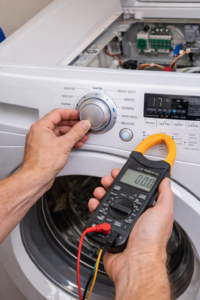
Electrical components can also contribute to the issue. A faulty lid switch may prevent the washer from recognizing that it is safe to spin. Similarly, a malfunctioning control board can disrupt the sequence of operations, causing the machine to skip certain stages. These problems often develop gradually, starting with inconsistent spinning before progressing to complete failure.
What This Problem Does Not Indicate
When clothes come out soaking wet, it is natural to assume a serious malfunction. However, a washing machine skipping spin cycle does not automatically mean the appliance is beyond repair.
This issue does not necessarily indicate a completely failed motor, irreversible internal damage, or the immediate need for replacement. In many cases, the washer is still functioning correctly but is preventing operation under unsafe or unfavorable conditions.
There is a tendency to assume the worst, especially when the problem occurs repeatedly. In reality, many instances are linked to manageable factors such as load imbalance, minor drainage issues, or early-stage component wear. Addressing these factors often restores normal performance without significant expense. Understanding what the problem does not represent helps avoid unnecessary repairs or premature replacement decisions.
For general appliance safety guidelines, you can also refer to
Consumer Reports.
Safety and Practical Considerations
Although the issue may seem minor, a washer that repeatedly skips the spin cycle should not be ignored. Over time, unresolved problems can lead to additional complications that affect both performance and hygiene.
Standing water in the drum can contribute to unpleasant odors, mold growth, and residue buildup. Clothes that remain excessively wet may develop mildew or lose fabric integrity if not handled promptly. Repeated imbalance can also place stress on suspension systems and other internal parts.
There are also important safety considerations. Attempting to force the spin cycle by overriding settings or manually interfering with the machine can lead to injury or further damage. Washing machines are designed with safety mechanisms that should not be bypassed without proper knowledge. A careful and methodical approach is recommended:
Address simple causes such as load distribution first
Monitor when and how the issue occurs
Avoid forcing the machine to continue if it stops mid-cycle
If the problem involves electrical components or internal mechanics, seeking professional assistance is the safest option.
⚠️ Important:
Always unplug the washing machine before inspecting internal parts.
Attempting repairs without proper knowledge can cause injury or further damage.
A Note on Expectations and Common Claims
There is a common assumption that modern washing machines should handle any type of load without difficulty. In practice, these appliances are designed with specific limitations that prioritize safety and longevity. Some claims suggest that newer washers can automatically correct any imbalance. While many models attempt to redistribute loads, they often stop the cycle instead of compensating when instability is detected. This approach helps prevent excessive wear and mechanical failure.
Another misconception is that adjusting detergent levels or selecting a different wash cycle can resolve spinning issues. While these changes may affect cleaning performance, they rarely address the root cause of a skipped spin cycle. In some cases, excess detergent can even contribute to drainage problems. Recognizing the practical limits of washing machines helps set realistic expectations and reduces unnecessary troubleshooting steps.
When the Situation Becomes Consistent
Occasional skipping of the spin cycle is often linked to specific loads or temporary conditions. When the issue becomes consistent, it usually points to a more stable underlying problem. If the washing machine skipping spin cycle occurs across a variety of loads and settings, it suggests that internal components or control systems may be involved. Repeated interruptions under normal conditions often indicate wear, mechanical imbalance, or electrical faults.
Careful observation can help identify patterns. Noting whether the machine drains fully, produces unusual noises, or pauses at specific points in the cycle can provide useful clues. These details can also assist a technician in diagnosing the issue more efficiently. Consistency shifts the problem from a situational inconvenience to a mechanical concern that may require repair.
A Quiet Reflection on Everyday Machines
Washing machines often operate quietly in the background of daily routines, performing essential tasks with little attention. When a cycle fails to complete properly, it highlights how much we rely on these systems to function consistently.
A washing machine skipping spin cycle may seem like a small disruption, yet it reveals the balance between performance, safety, and design limitations. These machines are built to protect themselves as much as they are built to serve us, often making decisions that prioritize long-term function over immediate convenience.
Frequently Asked Questions
Why is my washing machine skipping spin cycle and leaving clothes wet?
A washing machine skipping spin cycle is usually caused by an unbalanced load, drainage problems, or a faulty safety switch such as a lid or door lock. When the washer detects uneven weight or excess water, it may stop the spin cycle to prevent damage. Checking load distribution, cleaning the drain filter, and ensuring proper leveling often resolves the issue.
How do I fix a washing machine that skips the spin cycle?
To fix a washing machine skipping spin cycle, start with simple steps like redistributing clothes evenly, reducing load size, and making sure the machine is level. Next, inspect the drain hose and pump filter for clogs. If the problem continues, it may involve internal parts such as the drive belt, motor coupler, or control board, which may require professional repair.
Is a washing machine skipping spin cycle a serious problem?
In most cases, a washing machine skipping spin cycle is not a serious issue and is often related to load imbalance or minor maintenance needs. However, if the problem happens frequently across different loads, it may indicate worn components or electrical faults. Addressing the issue early can help prevent more costly repairs later.
Founder of FixAppLab • Appliance Troubleshooting Writer
Muhammad Khalid is the founder of FixAppLab, a website dedicated to explaining common appliance problems and practical troubleshooting solutions. His work focuses on helping homeowners understand how washing machines, dryers, refrigerators, and dishwashers operate and why common mechanical or electrical issues occur in everyday use.
This content is for informational purposes only. Always follow proper safety precautions
and consult a professional technician for complex appliance repairs.