Washing Machine Runs Incomplete Cycle? Causes & Easy Fixes
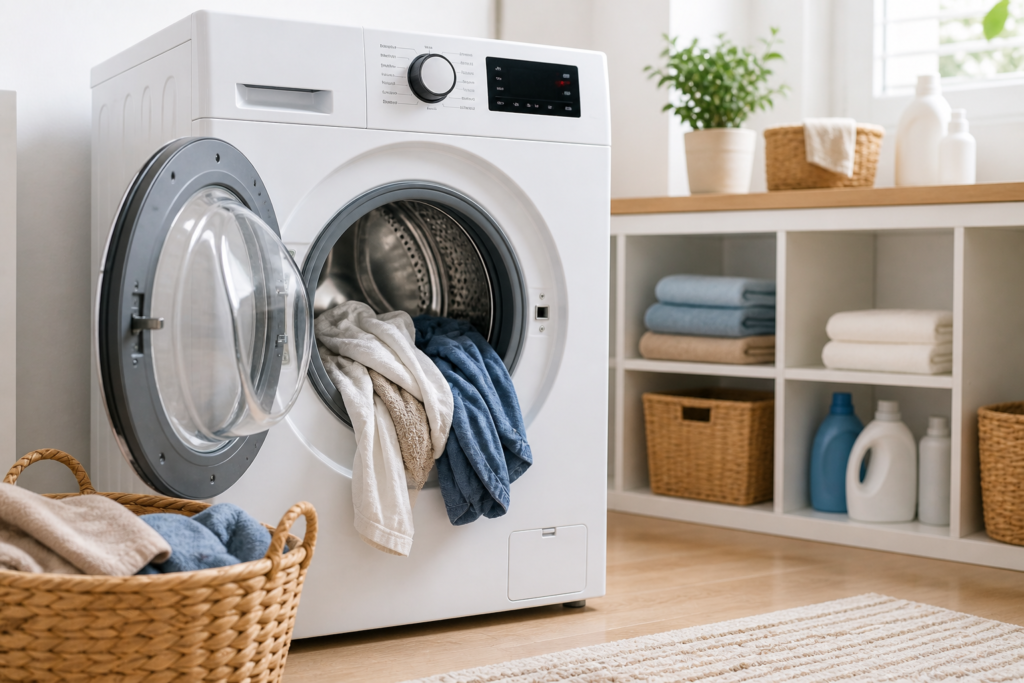
When a washing machine runs an incomplete cycle, it usually means something prevented the machine from safely moving to the next stage. most often drainage issues, load imbalance, or a failed safety check. The washer isn’t randomly stopping; it’s reacting to a condition it considers unsafe or incomplete. In many cases, the fix comes down to identifying where the cycle stopped and correcting that specific interruption
Quick Key Takeaways
- A washing machine runs incomplete cycle mainly due to drainage issues, imbalance, or safety checks
- The machine stops to protect itself—not because it randomly fails
- Blocked filters and slow drainage are the most common real-life causes
- Uneven loads can prevent the machine from entering the spin cycle
- Simple checks like cleaning filters and balancing loads fix many cases
Table of Contents
How a Washing Machine Cycle Actually Works in Real Life
To understand why a washing machine runs incomplete cycle, it helps to think beyond the idea of a single “wash.” What you’re really dealing with is a sequence of controlled steps, each dependent on the last.
The machine fills with water, agitates the clothes, drains the water, rinses, and finally spins at high speed. Each stage has built-in checkpoints. For example, the machine won’t begin spinning until it confirms that most of the water has drained and the drum is balanced.
In real homes, these conditions don’t always line up perfectly. Water may drain slower than expected, clothes may shift unevenly, or sensors may misread a condition. When that happens, the machine doesn’t force the next step. it pauses or stops altogether. That’s why the issue feels sudden, even though it’s actually the result of something building up during the cycle
Why This Problem Shows Up in Everyday Use
This issue doesn’t usually appear out of nowhere. It develops gradually through normal use, which is why many people are caught off guard when their washing machine runs incomplete cycle.
Over time, small things add up. Detergent residue thickens inside hoses, lint collects in filters, and minor imbalances become more frequent as loads vary. None of these seem serious on their own, but together they start interfering with how smoothly the machine moves through its cycle.
Another factor is how people actually use their washers. Mixing heavy and light fabrics, overfilling the drum, or running multiple back-to-back loads can create conditions the machine isn’t designed to handle consistently. The washer reacts by stopping, not because it’s broken, but because it detects something outside its safe operating range .This guide explains why a washing machine runs incomplete cycle and how to fix it step by step.
Drainage Issues: The Most Frequent Cause

Quick Troubleshooting Guide
If your washing machine runs incomplete cycle, you don’t always need deep inspection first. Start with these quick checks to identify the issue based on how the machine behaves during the cycle.
- If water stays inside → Check drain filter and hose for blockage
- If it stops before spinning → Redistribute clothes (unbalanced load)
- If it pauses randomly → Check door lock and power stability
- If filling takes too long → Inspect water supply and inlet filters
- If it stops at different stages → Try a full reset (unplug for 5 minutes)
In real troubleshooting situations, drainage problems are the most common reason a washing machine runs incomplete cycle. The machine depends on quick and complete water removal before it can continue. When drainage slows down, even slightly, the timing of the cycle is affected. The washer expects water to leave within a certain window. If that doesn’t happen, it stops and waits. You might notice the drum still full of water or hear a low humming sound without progress. This usually points to a restriction somewhere in the system.
Common real-world causes include
- A partially clogged pump filter filled with lint, coins, or debris
- A drain hose bent behind the machine after installation or movement
- Soap residue gradually narrowing internal pathways
Cleaning the filter and checking the hose often solves the issue. What surprises many people is how small the blockage can be and still disrupt the entire cycle
Related Troubleshooting Guides
If your washing machine runs an incomplete cycle, the issue is often connected to drainage problems, spin failures, or cycle interruptions. These detailed guides will help you identify closely related problems and fix them step by step with practical solutions.
- Washing Machine Stops Mid-Cycle Full of Water – Causes & Fix Guide
- Washing Machine Not Draining Water – Step-by-Step Fix
- Washing Machine Keeps Pausing – Troubleshooting Tips That Work
- Washing Machine Stops Before Spin Cycle – 6 Common Reasons
- Washing Machine Not Spinning Properly – Causes & Easy Fixes
- Washing Machine Skipping Spin Cycle – Easy Fixes That Work
- Washing Machine Not Rinsing Properly – Causes & Fix Guide
Load Imbalance: A Subtle but Powerful Trigger
One of the most misunderstood reasons a washing machine runs incomplete cycle is load imbalance. It doesn’t take a major issue to trigger this .just uneven weight distribution inside the drum. In real life, this happens easily. A few heavy towels can wrap around each other, forming a dense cluster on one side. When the machine tries to spin, it senses uneven weight and stops to avoid damage.
This often shows up as a cycle that runs normally until the final stages. Then suddenly, the machine pauses or shuts down. The fix is simple but often overlooked: open the machine, redistribute the load evenly, or remove a few items. The challenge is recognizing that the problem isn’t mechanical .it’s physical balance
Door Locks and Safety Sensors: Small Parts, Big Impact
Every washing machine relies on safety confirmations before continuing its cycle. The door lock or lid switch plays a central role in this. If the machine loses confirmation that the door is securely closed, it stops immediately. This can happen even if the door appears shut.
In real-world cases, the issue may come from:
- A worn latch that no longer clicks firmly
- Slight misalignment from repeated use
- A failing sensor that intermittently loses connection
The result is often confusing. The machine starts normally but stops mid-cycle without a clear reason. Listening for a consistent locking click when closing the door can help identify this issue .If your washing machine runs incomplete cycle repeatedly, addressing the root cause early can prevent bigger issues.
Water Supply Delays and Their Effect on the Cycle
A washing machine doesn’t just need water—it needs it within a specific timeframe. If filling takes too long, the system assumes there’s a problem and halts the cycle. This is another reason a washing machine runs incomplete cycle that people often miss. The water may still be flowing, just not fast enough.
In everyday situations, this can be caused by:
- Partially closed supply valves
- Mineral buildup in inlet filters
- Low household water pressure during peak usage
The machine waits for the correct water level, and when it doesn’t reach it in time, the cycle stops. It’s not a dramatic failure, just a timing mismatch between expectation and reality
Step-by-Step Check to Identify the Exact Problem
Instead of guessing, follow a clear step-by-step process based on how the machine behaves. This helps you narrow down the cause quickly and avoid unnecessary repairs.
- Start a short wash cycle: Watch closely where the machine stops—this tells you which part of the system is affected.
- Check for water inside the drum: If water remains, the issue is most likely related to drainage or pump blockage.
- Inspect load balance: Open the drum and see if clothes are gathered on one side. Rearrange them evenly.
- Test the door lock: Close the door firmly and listen for a locking click. A weak lock can stop the cycle midway.
- Check water flow: Ensure the machine fills at a normal speed and water supply valves are fully open.
- Perform a reset: Unplug the machine for 5 minutes, then restart it to clear minor electronic faults.
Following this sequence gives you a clear direction instead of random trial-and-error fixes.
Step-by-Step Troubleshooting That Actually Works

When dealing with this issue, random fixes don’t help much. The key is to follow the cycle and identify where it stops.
Start with these practical steps
- Run a short cycle and observe where it halts
- Check if water remains in the drum (points to drainage)
- Open the door and inspect load distribution
- Clean the drain filter thoroughly
- Ensure the door closes firmly with a clear lock sound
- Unplug the machine for a few minutes to reset it
This approach works because it aligns with how the machine operates. Instead of guessing, you’re matching the symptom to the stage of the cycle
Real-Life Scenarios That Show How This Happens
Mixed Laundry Load
A household mixes heavy bath towels with lighter clothes. During the spin phase, the towels bunch together, creating an uneven load. The machine attempts to spin, detects imbalance, and stops mid-cycle. The clothes remain wet, and the user assumes a technical fault.
Gradual Drain Blockage
Over several weeks, lint and debris collect in the pump filter. One day, the machine fills and washes normally but slows down during drainage. The system detects incomplete draining and halts the cycle before rinsing. The issue feels sudden, though it developed gradually.
These examples highlight how normal usage patterns can lead to incomplete cycles without obvious warning signs
Common Mistakes That Make the Problem Worse
People often respond to this issue in ways that unintentionally make it worse. The most common mistake is repeatedly restarting the machine without addressing the cause. Another mistake is overloading the drum in an attempt to .save time. This increases the likelihood of imbalance and strain on internal components.
Ignoring small signs .like slower drainage or occasional pauses .also allows minor issues to grow into persistent problems. A more effective approach is to treat each interruption as a clue rather than an inconvenience
Common Mistakes That Keep the Problem Coming Back
Many users unknowingly repeat small mistakes that cause the washing machine to stop mid-cycle again and again. Fixing the issue once is not enough if these habits continue.
- Restarting the cycle repeatedly: This ignores the root cause and can stress the system further.
- Overloading the drum: Trying to wash too many clothes at once increases imbalance and stops the spin cycle.
- Ignoring slow drainage signs: Water draining slowly is an early warning that many users overlook.
- Using too much detergent: Excess foam can interfere with sensors and delay the cycle.
- Not cleaning the filter regularly: A small blockage builds up over time and eventually stops the machine.
Avoiding these small but common mistakes can prevent repeated incomplete cycles and improve overall machine performance.
Safety Considerations During Troubleshooting
Working on a washing machine isn’t complicated, but it does involve some basic risks. Water and electricity are always present, so a cautious approach matters. Before checking filters or hoses, unplug the machine. Be prepared for water to spill when opening drainage components, and keep towels nearby.
Avoid forcing parts that don’t move easily. Resistance usually means something is locked or still under pressure. Taking a careful, steady approach prevents additional damage and keeps the process manageable
When It’s Time to Call a Technician
Most cases where a washing machine runs incomplete cycle can be resolved with basic troubleshooting. Still, some situations require professional help.
If the machine continues stopping despite clean filters and balanced loads, the issue may involve internal electronics, sensors, or the control board. These components are harder to diagnose without proper tools. Unusual noises, burning smells, or repeated failures at the same stage are also signs that it’s time to step back and bring in a technician
When You Should Stop Troubleshooting and Call a Technician
While many causes of an incomplete cycle can be fixed at home, some problems go beyond basic troubleshooting. Continuing to run the machine in these situations can lead to further damage or higher repair costs.
- The machine stops at the exact same stage every time, even after resets and basic checks
- You hear unusual noises like grinding, buzzing, or electrical clicking
- There is a burning smell or signs of overheating
- The control panel behaves unpredictably or stops responding
- Water does not drain at all despite cleaning filters and hoses
These signs usually point to internal component failures such as the control board, motor, or pump system, which require proper tools and technical expertise to repair safely.
Repair Costs and What to Expect
Repair costs vary depending on the issue, though most incomplete cycle problems fall into a moderate range. Simple fixes like cleaning or replacing a filter are inexpensive. Replacing a door lock or drain pump may cost more, depending on the model. Control board repairs tend to be the most expensive due to the complexity of the part. The key point is that many incomplete cycle issues don’t require major repairs. Identifying the cause early often keeps costs low
Preventing the Problem from Coming Back
Preventing this issue is mostly about consistency rather than effort. Small habits make a noticeable difference over time.
- Clean the drain filter regularly
- Avoid mixing very heavy and very light items
- Don’t overload the machine
- Check hoses for bends or pressure points
- Use the right amount of detergent
These steps don’t take much time, but they help maintain the conditions the machine needs to complete its cycle smoothly .A washing machine that runs incomplete cycle is usually responding to a condition it can’t safely work through, not failing without reason. Paying attention to how it behaves and addressing small issues early often turns what seems like a major problem into a simple fix
Muhammad Khalid
Founder of FixAppLab • Appliance Troubleshooting Specialist
Muhammad Khalid is the founder of FixAppLab, where he focuses on explaining real-world appliance problems in a practical and easy-to-understand way. His work is centered around helping homeowners diagnose issues, understand how machines behave during faults, and apply simple fixes before calling a technician.
His guides cover detailed troubleshooting for everyday appliances including washing machines, refrigerators, and dryers, helping readers understand not just what to fix—but why the issue happens.


Comments