Washer Repair Cost by Brand: 10 Easy Price Ranges for 2026
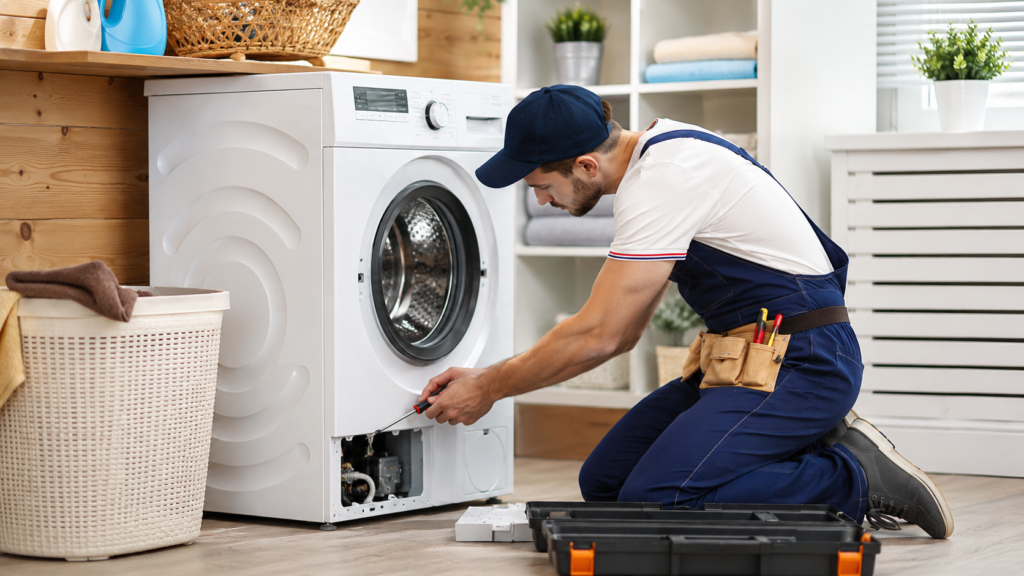
Washer repair cost by brand typically ranges from $100 to $500, and the brand you own is one of the biggest factors in that final number. Whirlpool, Kenmore, and Maytag tend to sit at the lower end of that range, while Samsung, LG, Bosch, and Speed Queen often push past $400 because of their electronics and specialty parts. If you’re trying to figure out what a repair will actually cost before you pick up the phone, understanding washer repair cost by brand is the fastest way to set realistic expectations
Table of Contents
Why Washer Repair Cost by Brand Varies So Much
It’s easy to assume a washing machine is a washing machine — a drum, a motor, a pump, a few hoses. In practice, manufacturers make very different engineering choices, and those choices show up directly in your repair bill.
Three things drive most of the price gap in washer repair cost by brand:
Parts pricing and availability. Budget and mid-range brands generally use standardized, mass-produced components that most parts suppliers keep on hand. Premium brands often rely on proprietary boards, sensors, and modules that only the manufacturer — or a limited network of suppliers — can provide. That drives the price up and can add days of waiting time if a part has to be special-ordered.
Labor complexity. Some washers are built with simple, easy-to-access layouts. Others require partial disassembly just to reach something as basic as a drain pump or door seal, and every extra hour of labor adds to the final invoice.
Electronics versus mechanical parts. A washer that relies mostly on belts, switches, and basic motors is almost always cheaper to fix than one built around control boards, sensors, and digital displays. Electronic failures are harder to diagnose and more expensive to replace, which is a big reason washer repair cost by brand skews higher for tech-heavy machines.
Average Washer Repair Cost by Brand

Here’s a general breakdown of what homeowners typically pay for common repairs, organized by brand. These are general ranges rather than fixed prices — your actual washer repair cost by brand will depend on your specific model, the failed part, your location, and local labor rates.
| Brand | Typical Repair Cost | Common Issues |
|---|---|---|
| Whirlpool | $100–$350 | Lid switch, drain pump, belt |
| Kenmore | $100–$350 | Mirrors whichever manufacturer built the model |
| Maytag | $150–$400 | Motor, pump, control board |
| GE | $150–$400 | Lid switch, pump, motor |
| Frigidaire | $150–$350 | Pump, belt, door lock |
| Samsung | $150–$450 | Door lock, drain pump, control board |
| LG | $150–$450 | Drain pump, motor, control board |
| Electrolux | $180–$450 | Door lock, pump, control board |
| Bosch | $200–$500+ | Pump, control board, motor |
| Speed Queen | $250–$600+ | Motor, transmission, control components |
Whirlpool
Whirlpool is one of the most affordable brands when it comes to washer repair cost, largely because it’s also one of the most common. Parts are widely stocked, and nearly every independent appliance technician has worked on one before. Simple fixes — a lid switch, a water inlet valve, a drive belt — usually stay well under $250. More involved jobs, like a motor or control board replacement, push the total higher, but Whirlpool rarely surprises you with expensive proprietary parts.
Kenmore
Kenmore doesn’t actually manufacture its own washers. Depending on the model, it’s built by Whirlpool, LG, or another manufacturer, so this brand’s washer repair cost really depends on who made that specific unit. Older Kenmore models tend to be simple and inexpensive to fix, while newer smart models can carry pricing closer to LG or Samsung.
Maytag
Now part of the Whirlpool family, Maytag shares parts commonality with Whirlpool but is marketed as more heavy-duty. Because these machines are built for durability, common failures often involve mechanical wear parts — suspension rods, shocks, bearings — rather than expensive electronic failures. That tends to keep Maytag’s washer repair cost fairly predictable compared to brands with more digital components.
GE
GE washers sit comfortably in the mid-range of washer repair cost by brand. Most models use a mix of straightforward mechanical parts with moderate electronics, so a broken agitator, faulty timer, or leaking pump typically costs less to fix than a comparable repair on a heavily digital European or Korean brand.
Frigidaire
Frigidaire washers are sold at a wide range of price points, and washer repair cost by brand for Frigidaire tends to reflect that. For an older or budget Frigidaire unit, it’s worth comparing the repair estimate against the price of a new machine before approving anything expensive, since some models don’t hold their value well enough to justify a costly fix.
Samsung
Samsung washers, especially front-load models, lean heavily on electronics — control boards, motor modules, door lock assemblies. These parts cost more than mechanical equivalents, and Samsung’s use of proprietary components can mean longer wait times if a part has to be special-ordered rather than pulled from a technician’s van. This is one of the main reasons Samsung’s washer repair cost tends to run higher than domestic brands.
LG
LG sits in a similar bracket to Samsung. Its direct-drive motors eliminate belts and pulleys, which cuts down on certain types of mechanical wear, but a failing direct-drive motor or a faulty control board is still a more expensive repair than the same failure on a basic top-loader.
Electrolux
Electrolux produces mostly front-load and high-efficiency machines, and several models use specialized components that aren’t as widely stocked as mainstream American brands. Door locks, drain pumps, and control boards are the most common — and priciest — repairs on this brand.
Bosch
Bosch washers, particularly the compact and stackable models common in smaller homes, sit toward the top of the repair-cost spectrum. Parts are often imported or sourced through specialty suppliers, and fewer technicians specialize in Bosch appliances compared to domestic brands, which drives labor costs up as well.
Speed Queen
Speed Queen is built for longevity, and its washer repair cost can still run high because of the machine’s premium engineering and proprietary components. That said, because Speed Queen units usually cost more to buy new, repairing a relatively young machine often makes financial sense even at $400 or $500
You May Also Like
If you’re comparing washer repair prices, these related guides can help you understand repair costs, common failures, and whether fixing your washing machine is worth it:
- Washer Repair Cost by State
- Washing Machine Repair Cost Calculator
- Washing Machine Repair Cost Estimate 2026
- Washer Repair vs Replace
- Washing Machine Motor Not Working
- Washing Machine PCB Board Fault Symptoms
- Washing Machine Bearings Symptoms
- Washing Machine Water Inlet Valve Problems
- Washing Machine Not Draining But Not Clogged
- How to Avoid Washing Machine Breakdown
What Else Affects Washer Repair Cost by Brand
Brand is only one piece of the puzzle. A few other factors shape your final bill just as much as the manufacturer does:
The failed part. A lid switch or hose is inexpensive. A control board, motor, transmission, or drum assembly can run into the hundreds of dollars, regardless of brand.
Washer type. Top-load washers are usually cheaper to service because most components are easy to reach. Front-load washers often require more disassembly to access the same parts, which adds labor time.
Your location. Labor rates typically run $50 to $150 per hour and tend to be higher in metro areas with a higher cost of living, and lower in regions with fewer qualified technicians competing for business.
Age of the machine. Older washers may need parts that are harder to find, and a machine that’s already had one major repair is more likely to need another soon after.
For additional guidance on appliance efficiency and energy use, homeowners can also review resources from ENERGY STAR . For manufacturer-specific product information and support resources, it is also useful to check the official website for your washer brand before ordering replacement parts.
Washer Repair Cost by Common Part
Looking at which part failed can sometimes tell you more than the brand alone. Here’s a quick reference:
- Belt or hose: $100–$250
- Water inlet valve: $100–$300
- Drain pump: $150–$300
- Door lock or lid switch: $100–$300
- Timer: $150–$300
- Control board: $250–$550
- Motor: $250–$700
- Drum or transmission: $300–$800+
What to Check Before You Call a Technician
Not every washer problem needs a service call, and skipping this step is one of the easiest ways to end up paying more than necessary regardless of your washer repair cost by brand. A few quick checks can save you a diagnostic fee, and they’re worth doing regardless of which brand you own:
- Make sure the washer is plugged in and the circuit breaker hasn’t tripped
- Check that both hot and cold water supply valves are fully open
- Look for a door or lid that isn’t latching all the way, which stops many washers from starting
- Inspect the drain hose for kinks or a clogged filter if the machine won’t drain
- Check your owner’s manual for an error code if the display is showing one
If none of that resolves the issue, you’re likely looking at a genuine mechanical or electronic failure, and that’s when washer repair cost by brand becomes the more relevant question than any quick fix.
When to Call a Professional
Once you understand roughly where your washer falls on the washer repair cost by brand spectrum, deciding whether to DIY or hire out gets easier. Simple, low-risk fixes — replacing a hose, cleaning a drain filter, tightening a fitting — are often manageable for a handy homeowner. Anything involving the motor, control board, or internal water lines is a different story. These repairs carry a real risk of electric shock or further damage if something is missed, and attempting them without the right tools can end up costing more than the original problem would have. In most cases, it’s worth calling a technician once you’ve ruled out the simple causes above
When Repair Makes Sense — and When It Doesn’t
A widely used guideline in the appliance industry is the 50 percent rule: if the repair estimate comes close to half the price of a new washer, and the unit is more than halfway through its expected lifespan, replacement is usually the smarter financial move. Most washers are built to last 8 to 13 years, so a machine that’s 7 to 10 years old facing a $400-plus control board or motor repair is a good candidate for replacement rather than repair.
On the other hand, if your washer is relatively young, has otherwise run reliably, and the repair estimate sits toward the lower end of that brand’s typical washer repair cost, fixing it is almost always the better choice. One inexpensive repair doesn’t mean the machine is nearing the end of its life — it just means something wore out, which happens to every appliance eventually.
Simple Habits That Lower Long-Term Repair Costs
A little regular maintenance goes a long way toward keeping washer repair cost by brand on the lower end of the range. Wiping down door seals on front-load models helps prevent the mold and mildew buildup that eventually damages gaskets. Avoiding overloaded cycles reduces strain on the motor, bearings, and suspension system. And keeping the washer level on the floor prevents the kind of vibration that loosens internal components over time. None of this eliminates the need for repairs eventually, but it does help you get more years out of the machine before you’re facing a major bill.
Getting an Accurate Estimate

Because washer repair cost by brand can shift so much based on the specific model and the exact fault, treat the ranges in this guide as a starting point rather than a guarantee. The most reliable way to know what you’ll actually pay is to have a technician diagnose your specific machine. Many repair companies apply their diagnostic fee toward the final bill if you move forward with the repair, so it’s worth asking about that upfront.
Before you call, it helps to have your washer’s brand, model number, and a clear description of the symptom ready. That alone can speed up the diagnosis and help the technician give you a tighter, more accurate quote instead of a wide range that could be off by a hundred dollars or more.
Final Thoughts
Washer repair cost by brand isn’t just about the manufacturer’s name — it’s about how that brand engineers its machines, how available its parts are, and how much labor a typical repair requires. Whirlpool, Kenmore, and Maytag stay budget-friendly for most common repairs, while Samsung, LG, Bosch, and Speed Queen carry higher costs tied to electronics and specialty parts. Knowing where your washer falls on that spectrum makes it much easier to decide whether a repair is worth it — or whether it’s time to start shopping for a new machine.


Comments