Washing Machine Repair Cost by Age: Is Your Washer Worth Fixing?
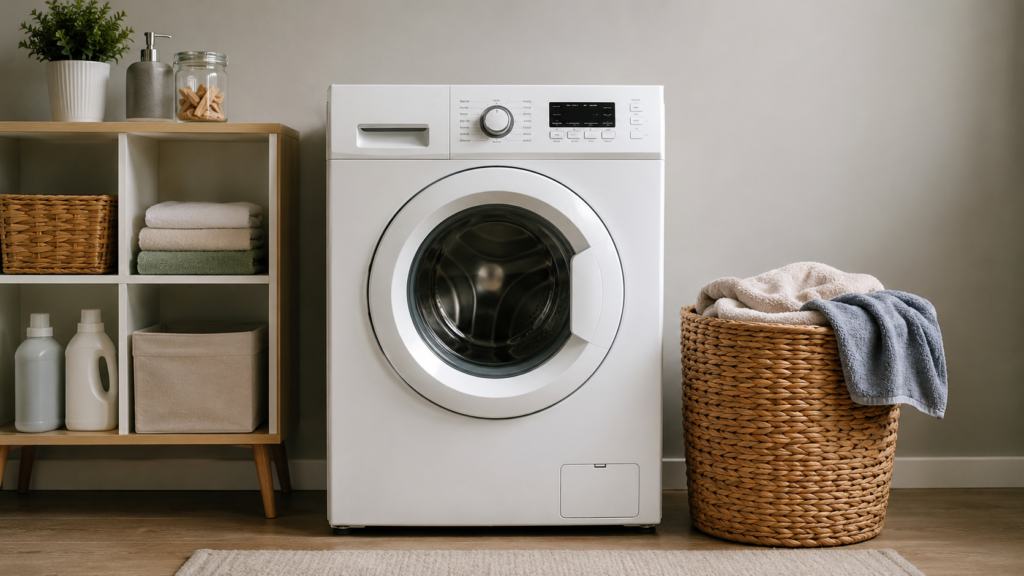
Washing machine repair cost by age typically ranges from $80 for a simple fix on a two-year-old machine to $500 or more for a major component failure on a unit past its twelfth birthday. The age of your washer isn’t just a number — it’s one of the biggest factors in deciding whether a repair bill makes financial sense or whether you’re better off putting that money toward a new machine.
If you’re staring at a broken washer right now, you already know the frustration. The laundry is piling up, a technician quoted you a number that feels uncomfortably close to a new machine’s price tag, and you’re not sure if you’re about to waste money or save it. This guide breaks down exactly how washing machine repair cost by age plays out at each stage of a machine’s life, what repairs typically cost along the way, and how to know when it’s time to stop repairing and start shopping. Understanding washing machine repair cost by age can help you decide whether a repair is worth paying for or whether replacement makes more financial sense.
Quick Key Takeaways
- Under 3 years: Most washing machine repairs are worth making, especially when warranty coverage may still apply.
- 3–6 years: Routine wear-and-tear repairs are usually much cheaper than replacing the washer.
- 6–9 years: Compare the repair estimate with the price of a comparable new machine before approving expensive work.
- 9–12 years: Major repairs involving motors, control boards, or transmissions deserve careful consideration.
- Over 12 years: Replacement often provides better long-term value unless the problem is inexpensive and the washer remains in good condition.
- The 50% rule: If a repair approaches half the cost of a comparable new washer, replacement is often worth considering.
Table of Contents
Why Age Changes the Repair Math
A washing machine doesn’t wear out all at once. It wears out piece by piece, and the pieces that fail first are usually the cheapest ones — hoses, belts, water inlet valves. As the years go on, the failures move toward the expensive core components: motors, control boards, bearings, and transmissions.
That’s the real reason washing machine repair cost by age climbs the way it does. It’s not that older machines are inherently more expensive to fix per repair. It’s that older machines are more likely to need the expensive kind of repair, and they’re more likely to need a second repair shortly after the first one. A five-year-old machine with a clogged pump is a one-and-done fix. A twelve-year-old machine with the same clogged pump might also have worn bearings you don’t find out about until the technician has the cabinet open.
Repair Costs in the First 3 Years
Washing machines under three years old are almost always worth repairing. Most problems at this stage are minor — a stuck door lock, a water inlet valve that failed early, a sensor glitch, or an installation issue that only shows up after regular use.
Expect to pay somewhere between $80 and $250 for typical repairs in this window. If the machine is still under manufacturer warranty, you may only be on the hook for a small diagnostic or service call fee, with parts and labor covered. Since the rest of the appliance is essentially brand new, there’s rarely a good argument for replacing instead of repairing at this age.
Repair Costs Between 3 and 6 Years
This is where normal wear starts showing up for the first time. Drive belts stretch, water inlet valves wear out, and drain pumps — which run almost every cycle — start reaching the end of their service life.
Typical repairs in this range run $100 to $300. A worn belt or a failed inlet valve is a straightforward, affordable fix, and repairing is still the clear choice here. If your washer cost $600 to $900 new, spending $150 to keep it running for several more years is an easy call.
Repair Costs Between 6 and 9 Years
Once a washer crosses six years, you start seeing component fatigue rather than isolated part failures. Bearings begin to make noise, electronic control boards degrade from years of power fluctuations, and suspension components weaken enough to cause vibration during the spin cycle.
At this stage, washing machine repair cost by age typically lands between $150 and $400. Drain pump replacements run $100 to $250. Control board repairs are pricier, often $200 to $400 once labor is factored in. A tub bearing replacement — common on front-load machines — can run $250 to $450 because it usually requires partially disassembling the drum.
This is also the age range where the 50% rule starts to matter. If the repair estimate is creeping toward half the price of a comparable new machine, it’s worth pausing before you approve the work.
The 50% Rule, Explained
The 50% rule is the guideline most appliance technicians use to sort a good repair from a bad one: if the repair cost is more than 50% of what a new, similar machine would cost, replacement is usually the smarter move. Some technicians tighten that threshold to 40% once a washer is past eight years old, since the odds of another failure soon after go up. It’s not a strict law, but it’s a fast, reliable gut check when you’re standing in your laundry room trying to make a decision on the spot.
Repair Costs Between 9 and 12 Years
Past the nine-year mark, failures start hitting the expensive parts more often. Motors wear out, suspension springs and shock absorbers weaken, and control boards that have survived this long tend to fail for good rather than glitch intermittently. For this reason, washing machine repair cost by age should always be considered alongside the washer’s remaining useful life and overall condition.
Motor replacements at this age commonly cost $300 to $600. Suspension repairs run $150 to $300. Control board failures, when they happen here, often land between $250 and $450. A washing machine repair cost by age chart for this range typically averages $300 to $500 per repair, while a new mid-range washer runs somewhere around $500 to $900 — which means a single major repair can easily blow past the 50% threshold.
This doesn’t mean every repair in this window is a bad idea. A $150 pump replacement on an otherwise healthy nine-year-old washer is still money well spent. It’s the big-ticket repairs — motor, transmission, control board — that deserve a hard look before you commit.
Repair Costs After 12 Years
Beyond twelve years, most washing machines are operating past their expected lifespan, and repair costs reflect that. Parts availability becomes a real obstacle since manufacturers stop producing components for discontinued models, sometimes forcing technicians toward used or aftermarket parts that don’t last as long as the originals.
Repairs at this stage commonly run $200 to $500 or more, and even a moderate repair carries risk — you’re essentially betting that money against a machine with very little life left in it. Unless the fix is small and simple, like a lid switch or a hose, most appliance technicians will recommend replacement once a washer passes this age.
That said, age alone shouldn’t be the only factor. A well-maintained 13-year-old washer with one isolated, cheap problem can still be worth fixing. A poorly maintained seven-year-old machine with three simultaneous issues might not be.
How Machine Type Affects the Numbers
Front-load and top-load washers age differently, and it shows up in repair pricing. Front-loaders generally have more expensive components — door seals, bearings, and control boards — so repairs on an aging front-load machine tend to cost more than the same repair on a top-load model. A door boot seal replacement, for example, can run $150 to $300 on a front-loader, a repair that simply doesn’t exist on most top-load designs.
Top-load washers, particularly older agitator-style models, tend to use simpler mechanical systems that stay cheaper to service even as the years add up. That’s worth factoring in if you’re deciding between repairing your current machine or replacing it with a different style altogether.
If you decide to replace an older washer, it can also help to compare energy efficiency before choosing a new model. ENERGY STAR’s clothes washer guide provides information on certified models, energy use, water efficiency, and buying considerations.
A Simple Framework for Deciding

Rather than relying on age by itself, weigh three things together: the machine’s age, the cost of the current repair, and the price of a comparable replacement.
- If the repair costs less than 25% of a new machine’s price and the washer is under six years old, repair almost always makes sense.
- If the repair costs more than 50% of a replacement’s price, or the machine is past ten to twelve years old, replacement is usually the better long-term value.
- Anything in between deserves a closer look at the specific fault. A simple pump or belt swap can still be worth it on an older machine, while a full motor or control board replacement rarely pays off once a washer is well into its second decade.
You May Also Like
If you’re deciding whether an aging washer is worth repairing, these related guides can help you compare repair costs, understand common component failures, and get more life from your washing machine:
- Washing Machine Repair Cost Estimate 2026
- Washer Repair vs Replace
- Washing Machine Repair Cost Calculator
- How to Extend Washing Machine Lifespan
- How to Maintain Washing Machine for Long Life
- Washing Machine Bearings Symptoms
- Washing Machine Motor Not Working
- Washing Machine Transmission Failure Symptoms
- Washer Repair Cost by State
- Washing Machine Problems
Helpful tip: Before spending heavily on an older washer, compare the repair estimate with the machine’s age, condition, and replacement cost. The right decision can save you from paying for repeated repairs on a washer near the end of its useful life.
Reducing Repair Costs at Any Age

Regardless of where your machine falls on the age scale, a few habits can keep washing machine repair cost by age lower than it might otherwise be. Clean the drain filter regularly if your model has one. Check hoses for cracks or bulges before they turn into leaks. Avoid overloading the drum, which stresses the motor, bearings, and suspension all at once. And don’t ignore small symptoms — a minor leak or an odd noise addressed early is almost always cheaper than the cascading failure it can turn into if left alone.
When to Call a Technician
Before deciding whether to repair or replace an older washer, getting an accurate diagnosis can prevent you from spending money on the wrong repair. A professional inspection is especially useful when the problem involves electrical components, unusual mechanical noises, leaks, or repeated failures.
- The washer trips a circuit breaker or shows signs of an electrical problem.
- You hear loud grinding, rumbling, or metal-on-metal noises during operation.
- The machine has a significant water leak that you cannot identify or stop.
- The washer repeatedly stops, displays error codes, or fails after a previous repair.
- The estimated repair involves a motor, transmission, bearings, tub, or control board.
- You need to compare a repair estimate with the cost of replacing the washer.
Tip: Ask the technician for the diagnosis, total parts-and-labor estimate, and whether any additional age-related problems are visible before approving an expensive repair.
Final Thoughts
Washing machine repair cost by age isn’t a fixed number, but the pattern holds up across brands and models: repairs stay cheap and clearly worthwhile for the first several years, then gradually climb in both price and risk as components age together. Matching your machine’s age against the actual repair estimate — rather than reacting to either number alone — is the clearest way to avoid throwing money at a machine that’s already on its way out, while still getting full value from a washer that has plenty of life left in it.
Muhammad Khalid
Muhammad Khalid is the founder of FixAppLab, a practical appliance repair resource focused on helping homeowners understand washing machine, refrigerator, and dryer problems. His guides are written to make appliance troubleshooting, repair costs, maintenance, and replacement decisions easier to understand.
At FixAppLab: We focus on clear repair information, practical maintenance advice, and straightforward guidance to help readers make informed appliance decisions.


Comments