Washer Water Circulation Issue
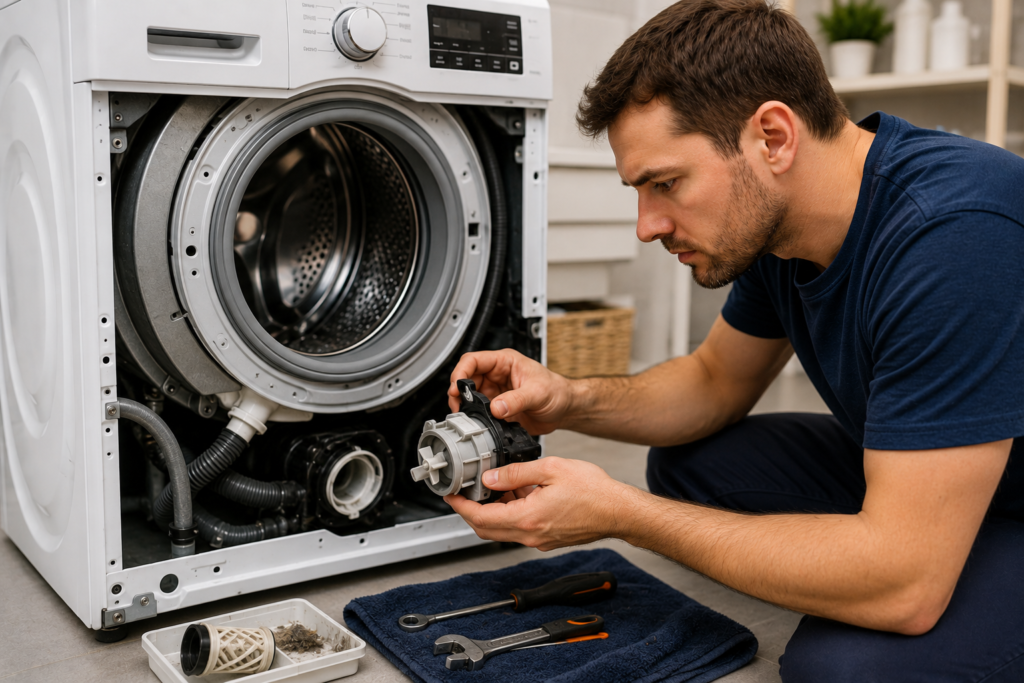
A washer water circulation issue usually happens when water cannot move through the machine the way it was designed to during the wash and rinse cycles. In many cases, the problem starts with restricted water flow, clogged filters, weak pumps, or buildup inside the system. The good news is that most circulation problems develop gradually, which means the warning signs often appear before the washer completely stops working.
Modern washing machines rely on controlled water movement to clean clothes evenly. When circulation weakens, the washer may still run, but cleaning performance drops noticeably. Clothes can come out with detergent residue, cycles may take longer than normal, and the machine may struggle to drain or refill properly. Understanding how this problem behaves in real-world situations makes troubleshooting much easier
Table of Contents
Why Water Circulation Matters More Than Most People Realize

Inside a washing machine, water is constantly being redirected during different stages of the cycle. During washing, the machine must move water evenly through fabrics so detergent can dissolve and dirt can loosen properly. During rinsing, fresh water must circulate efficiently to remove soap residue from clothing.
When circulation slows down, the washer starts compensating in unusual ways. Some machines extend the cycle automatically because sensors detect that rinsing is incomplete. Others may pause repeatedly while attempting to rebalance water levels. This is why many homeowners first notice a washer water circulation issue through longer cycle times rather than a complete breakdown.
Front-load washers are especially sensitive because they use less water than older top-load models. Since water efficiency depends on strong circulation, even a small blockage can reduce cleaning performance. In top-load machines, the issue often appears as weak agitation or poor rinsing rather than standing water.
The Most Common Real-World Causes of Circulation Problems
One of the most overlooked causes is gradual debris buildup inside the drain filter. Over time, lint, hair, pet fur, coins, fabric fibers, and small objects collect in the filter housing. The washer may continue working for weeks while performance slowly declines. Many people do not realize there is a problem until clothes start feeling unusually heavy or slightly soapy after washing.
Another common cause is partial blockage inside the drain hose. A hose does not need to be fully clogged to create circulation trouble. Even a narrow restriction can slow water movement enough to confuse the washer’s sensors. This is particularly common after washing rugs, blankets, or heavily soiled items that release excess fibers.
Pump problems are also extremely common in aging washers. The drain pump operates repeatedly during every cycle, and its internal impeller can wear down over time. In some cases, debris wraps around the impeller blades, reducing the pump’s ability to move water efficiently. The machine may still drain eventually, but circulation becomes inconsistent.
Hard water buildup creates another type of washer water circulation issue that develops slowly. Mineral deposits collect inside inlet valves, spray jets, and hoses. Homeowners in hard water areas often notice that circulation problems appear together with detergent residue or white mineral stains inside the drum.
How the Problem Behaves During Daily Use

Water circulation problems rarely appear all at once. The behavior usually changes gradually, and the washer gives subtle clues before major symptoms appear. One common example is clothing that feels slightly damp at the end of a cycle even though the spin cycle completed normally. This often indicates that water movement during rinsing was restricted. Another real-world sign is detergent residue appearing randomly instead of consistently. The washer may clean smaller loads properly but struggle with towels or heavy fabrics. This happens because restricted circulation becomes more noticeable when the machine handles larger loads that require stronger water movement.
Some homeowners also report hearing unusual humming sounds that were not present before. A struggling circulation or drain pump often produces a low mechanical hum as it attempts to push water through a partially blocked system. Grinding noises may indicate debris inside the pump housing itself. In certain situations, the washer may pause for several minutes before continuing the cycle. Modern washers rely heavily on sensor feedback, and poor water movement can confuse the control system into thinking the machine has not drained or rinsed correctly yet.
How to Fix a Washer Water Circulation Issue Step by Step

Before inspecting anything, disconnect the washer from electrical power and turn off the water supply valves. Even simple inspections become risky if the machine remains connected. Start with the drain filter because it is the most common and easiest fix. On most front-load washers, the filter sits behind a small lower access panel near the bottom front of the machine. Place towels beneath the area before opening it because trapped water usually spills out.
Once removed, inspect the filter carefully for lint buildup, coins, buttons, hairpins, or thick detergent residue. Many homeowners are surprised by how much debris accumulates there over time. Cleaning the filter thoroughly often restores normal circulation immediately. After reinstalling the filter, inspect the drain hose behind the washer. Look for bends, twists, or flattened areas restricting water flow. If possible, disconnect the hose and flush water through it to confirm there are no internal blockages. A partially clogged hose is one of the most common reasons a washer water circulation issue keeps returning after temporary fixes.
Next, test the water inlet flow. Slow filling affects circulation more than many people realize because the washer cannot maintain proper water levels during washing and rinsing. Turn off the supply valves, disconnect the hoses carefully, and inspect the small inlet screens for sediment buildup. Mineral deposits and rust particles frequently reduce incoming water pressure.
When the Drain Pump Is the Real Problem
If cleaning filters and hoses does not improve performance, the drain pump deserves closer attention. A weak pump often causes circulation problems long before it fails completely. One of the clearest warning signs is delayed draining. For example, the washer may eventually empty the drum but take much longer than it used to. During this stage, the pump motor is often still functioning but losing efficiency due to wear or internal damage.
Sometimes the impeller inside the pump becomes loose or damaged. In that situation, the motor still runs, but the blades cannot move water effectively. This creates confusing symptoms because the washer sounds normal while circulation remains weak. Pump replacement is usually more affordable than many homeowners expect. In many cases, replacing a worn pump restores the washer completely without requiring larger repairs. However, continuing to use the machine with a failing pump can place extra strain on the motor and electronic controls
Safety Note Before Inspecting the Washer
Before checking filters, hoses, or internal washer components, always disconnect the appliance from electrical power and shut off the water supply valves. Even simple troubleshooting steps can become dangerous if the washer remains connected while wet areas are exposed.
Keep dry towels nearby when opening the drain filter because trapped water may spill out suddenly. If you notice burning smells, exposed wiring, or visible water leaks near electrical parts, stop troubleshooting and contact a qualified appliance technician.
Real-Life Example of a Hidden Circulation Problem
A homeowner with a front-load washer noticed that towels smelled musty even after washing. The washer completed cycles normally, and there were no visible error codes. At first, the problem seemed related to detergent or mold.
After inspection, the actual issue turned out to be a partially blocked drain filter filled with pet hair and lint. Water circulation during rinsing had become weak enough that detergent and dirt were not being fully removed from thick fabrics. Once the filter was cleaned, rinse performance returned to normal immediately.
This type of situation is extremely common because circulation issues often imitate other washer problems. Many people replace detergent brands or run extra cycles without realizing the real problem involves restricted water movement.
Mistakes That Often Make the Problem Worse
One major mistake is repeatedly restarting the washer without investigating the cause. If the pump is struggling, repeated cycles can overheat the motor and turn a small repair into a larger failure. Another common mistake is using excessive detergent in an attempt to improve cleaning results. Ironically, too much detergent often worsens a washer water circulation issue because soap residue builds up inside hoses, filters, and pumps. High-efficiency washers are particularly vulnerable to oversudsing problems.
Ignoring small drainage delays also creates long-term issues. Many homeowners wait until the washer completely stops draining before checking the filter. By that point, circulation problems may already have stressed the pump significantly. Overloading the washer is another hidden contributor. Large, tightly packed loads restrict water movement inside the drum, especially in front-load machines. Over time, this places additional strain on the circulation system and reduces cleaning consistency.
Why Some Washers Develop Recurring Circulation Problems
Certain usage habits increase the likelihood of repeated circulation issues. Washing heavily soiled work clothes, pet bedding, rugs, or thick blankets introduces far more debris into the washer system than standard laundry. Homes with hard water conditions also experience recurring buildup problems. Mineral deposits accumulate slowly inside valves and hoses, gradually reducing water flow. In these environments, circulation problems often return unless descaling maintenance becomes part of the regular cleaning routine.
Poor installation can contribute as well. A drain hose installed too high or positioned incorrectly may force the pump to work harder than intended. Over time, this additional strain reduces pump lifespan and weakens circulation performance. Older washers naturally become more vulnerable because rubber hoses harden internally with age. Even if the outside looks fine, internal restrictions may already be affecting water movement
Common Mistakes That Make Water Circulation Problems Worse
Many washer circulation problems become more serious because the early warning signs are ignored. Homeowners often continue running extra cycles without realizing that weak water movement is already placing stress on the drain pump and internal components.
- Using excessive detergent in high-efficiency washers
- Ignoring slow draining or delayed rinse cycles
- Overloading the drum with heavy fabrics or blankets
- Skipping routine drain filter cleaning
- Running repeated cycles while the pump is struggling
- Using the washer with partially blocked hoses
Correcting these habits early can prevent unnecessary strain on the washer and reduce the chances of expensive pump or motor repairs later.
Practical Ways to Prevent Future Circulation Issues
Preventive maintenance makes a major difference in washer reliability. Cleaning the drain filter every few weeks is one of the simplest and most effective habits. Households with pets or large families should inspect it even more frequently because debris accumulates faster. Using the correct detergent amount also matters more than most people think. Modern washers require surprisingly small amounts of HE detergent to operate properly. Excess soap creates residue that eventually interferes with sensors, hoses, and pumps.
Running a monthly cleaning cycle with hot water and washer cleaner helps remove internal buildup before it becomes severe. In hard water areas, descaling products can help prevent mineral accumulation inside the circulation system. It also helps to inspect pockets carefully before washing clothes. Coins, screws, paper clips, and other small objects frequently end up trapped in pump housings or filters. Preventing debris from entering the system is easier than removing it later.
When Professional Service Becomes Necessary
Some circulation problems move beyond simple maintenance and require professional diagnosis. If the washer displays repeated pump-related error codes even after cleaning the filter and hoses, internal electrical testing may be necessary.
Burning smells, visible leaks near the pump assembly, or complete failure to circulate water usually indicate more serious mechanical or electrical issues. Control board failures can also interrupt pump operation, though this is less common than basic blockages or pump wear.
Professional technicians can test pump voltage, inspect internal wiring, and determine whether the issue involves sensors, motors, or electronic controls. Accurate diagnosis prevents unnecessary part replacement and reduces long-term repair costs
Preventive Maintenance Tips for Better Washer Performance
Regular maintenance plays a major role in preventing washer water circulation issues from returning. Many circulation problems begin with small restrictions that build slowly over time, especially in homes where the washer runs frequently throughout the week.
Remove lint, hair, and trapped debris before they restrict water flow or place extra stress on the pump.
Too much detergent creates residue inside hoses and circulation components, especially in high-efficiency washers.
Small bends, internal clogs, or aging hoses can gradually reduce water movement without obvious warning signs.
Final Thoughts
A washer water circulation issue often starts as a small restriction or gradual decline in water movement rather than a sudden breakdown. Paying attention to early warning signs like weak rinsing, delayed draining, or unusual noises can prevent more expensive repairs later.
Most circulation problems improve significantly with proper cleaning and maintenance, especially when filters, hoses, and pumps are inspected regularly. When the washer continues struggling despite basic troubleshooting, professional repair becomes the safest way to restore reliable performance
When It’s Best to Call a Washer Repair Technician
Some washer water circulation issues can be solved with cleaning and basic maintenance, but certain problems require professional diagnosis. If the washer continues struggling after filter and hose cleaning, the issue may involve damaged pumps, electrical faults, or failing control components.
- Water remains inside the drum after every cycle
- The drain pump makes loud grinding or buzzing noises
- Error codes continue returning after troubleshooting
- The washer stops mid-cycle repeatedly
- You notice burning smells or electrical issues
- Leaks appear underneath the machine
Getting professional help early can prevent additional damage to the motor, pump system, or electronic controls, especially in newer high-efficiency washers.
About the Author
Muhammad Khalid
Muhammad Khalid is the founder of FixAppLab, a website focused on appliance troubleshooting and practical repair guidance. His articles explain common washing machine, dryer, and refrigerator problems using real-world troubleshooting experience and easy-to-understand solutions.
Follow FixAppLab on Facebook, Instagram, YouTube, and TikTok.


Comments