Washing Machine Door Won’t Lock? A Simple Guide to Finding the Problem
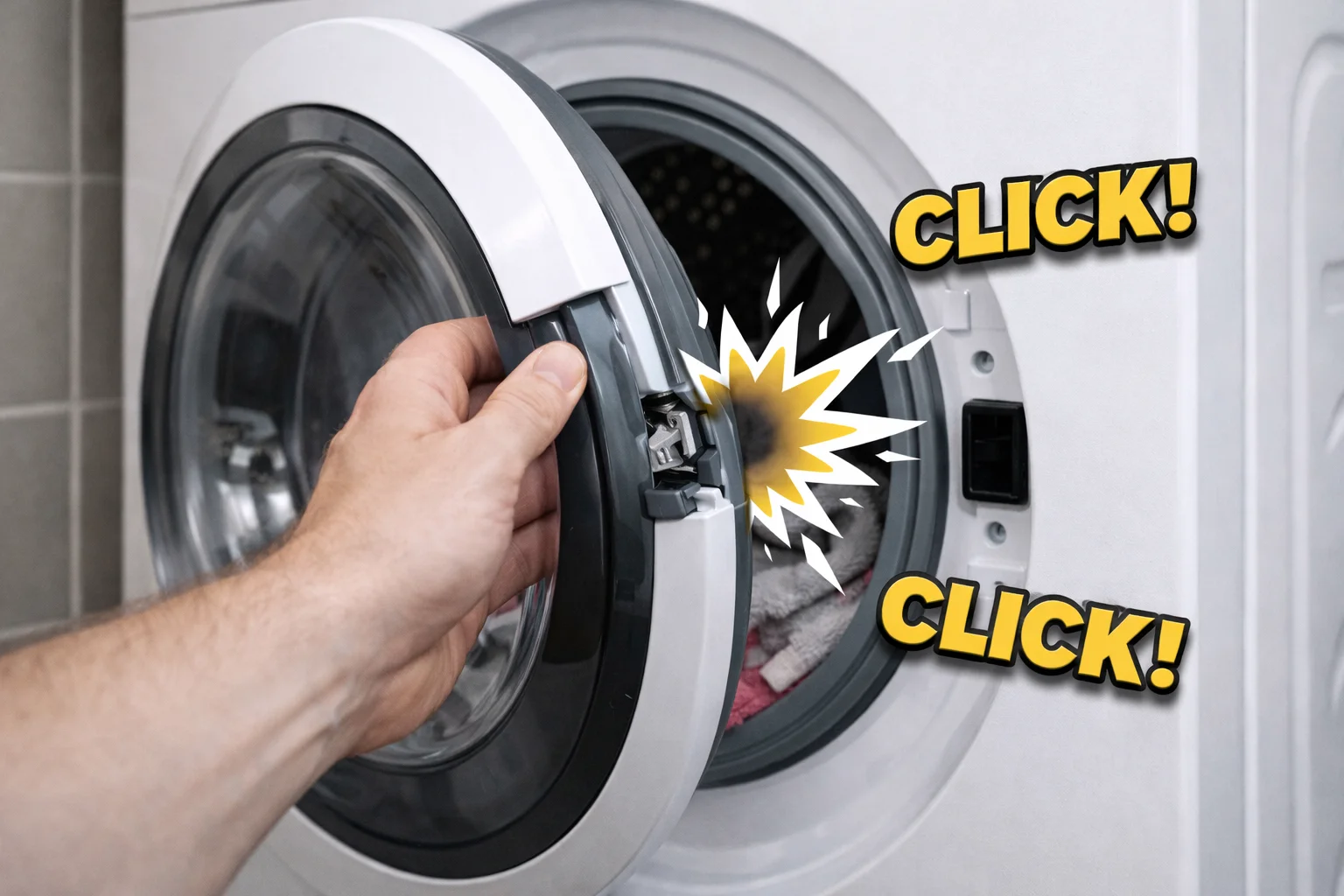
A washing machine door that will not lock can be frustrating, especially when the washer seems ready to start but refuses to begin the cycle. In most cases, the problem is connected to the door latch, lock assembly, switch, wiring, or something preventing the door from closing correctly.
Before assuming the washing machine needs an expensive repair, there are several simple things you can check first. A small piece of clothing caught near the door, a misaligned latch, debris around the lock, or a worn door-lock mechanism can all prevent the washer from recognizing that the door is safely closed.
Quick Answer: Why Is My Washing Machine Door Not Locking?
The most common reasons a washing machine door will not lock include a damaged door latch, faulty door-lock assembly, misaligned door, trapped clothing or debris, a defective lock switch, wiring problems, or a control-system issue. Start by checking the door and latch area before testing internal electrical components.
Table of Contents
Why Washing Machines Refuse to Run Without a Locked Door
Modern washing machines are designed with a straightforward but important safety feature: the appliance will not operate unless the door is fully secured. This safeguard prevents water from spilling out and stops the drum from spinning while the door is open.
Inside the appliance, a small locking system confirms that the door has been properly closed. When the door shuts, a latch fits into the lock assembly. The machine verifies this connection before allowing the motor and drum to begin operating.
If the lock signal never reaches the control system, the washer behaves as though the door is still open. The cycle will not start, and in some cases a faint clicking sound may occur as the lock mechanism attempts to engage. Because of this safety feature, many people assume the entire machine has malfunctioned. In reality, the issue is often limited to a small component located near the door frame
In many cases, a washing machine door not locking issue happens when the latch mechanism or door lock assembly fails to engage properly.
The Small Mechanism Responsible for the Lock
The door lock system is relatively simple in design. Most front-loading washers rely on three small parts working together

- The door latch or hook attached to the door itself
- The lock assembly mounted inside the machine frame
- A switch or sensor that confirms the door is secured
When the door closes, the hook slides into the lock assembly. A small motor or solenoid inside the lock then secures the hook in place. The washer’s control system waits for confirmation that the lock has engaged before allowing the wash cycle to begin.
With time, normal wear can disrupt this process. Plastic latches may weaken, electrical switches may stop responding consistently, and even a minor alignment change can prevent the hook from entering the lock correctly. If any one of these parts stops functioning properly, the washer will refuse to operate.
Most Common Causes of Door Lock Problems
Several mechanical and electrical issues can prevent a washing machine door from locking correctly. Identifying the most likely causes can help narrow down the problem before beginning repairs.
- Damaged or worn door latch mechanism
- Faulty washing machine door lock assembly
- Misaligned door hinges preventing proper contact
- Clothing or debris trapped in the door gasket
- Electrical failure in the door lock switch
Understanding these common causes makes troubleshooting easier and can help determine whether the issue requires a simple adjustment or a replacement part.
Everyday Situations That Often Cause the Problem
In many households, the issue develops gradually rather than appearing all at once. The washer may begin showing subtle signs before the door stops locking entirely. Two everyday situations illustrate how this can happen.
In one case, a parent doing laundry late in the evening closes the washer quickly before starting a cycle. The machine makes a faint clicking sound, yet nothing happens. After opening and closing the door again, the washer finally begins running. Over time, this small inconvenience becomes more frequent
In another household, a washer that has handled years of heavy loads begins refusing to start every few cycles. The door appears fully closed, but the machine behaves as though it remains open. In situations like this, a worn latch is often responsible. These kinds of irregularities often indicate that the lock mechanism is beginning to wear down
Common Signs the Door Lock Is Failing
In many situations, a washing machine door lock does not fail all at once. The mechanism often begins showing small warning signs before it stops working completely. Recognizing these early symptoms can help prevent interruptions during a wash cycle and allow the problem to be fixed before the washer refuses to start.
The following signs often indicate that the door locking mechanism may be wearing out:
- The washer produces a clicking sound when the door is closed, but the cycle does not begin.
- The door needs to be pushed firmly before the machine recognizes it as closed.
- The washer only starts after opening and closing the door several times.
- The control panel displays door lock or lid lock warning messages.
- The washer unexpectedly unlocks the door during a wash cycle.
If these symptoms appear frequently, the door latch or lock assembly may be beginning to wear out. Inspecting the mechanism early can prevent more serious problems and help restore normal washer operation.
Practical Steps to Investigate the Issue
When a washing machine door not locking problem appears, a careful inspection can often reveal the underlying cause. It is best to begin with the simplest possibilities before assuming a mechanical failure
Quick Troubleshooting Checklist
Before assuming a mechanical failure, it is worth running through a quick inspection of the washer door and surrounding components. Many door-locking problems are caused by simple issues that can be identified within a few minutes.
✔ Make sure no clothing or fabric is trapped between the door and the rubber seal.
✔ Check that the washer door closes smoothly without resistance.
✔ Inspect the plastic door latch for cracks, bending, or looseness.
✔ Confirm the door hinges are secure and properly aligned.
✔ Turn off the washing machine for several minutes to reset the control system.
Running through these quick checks can often solve the issue immediately and restore normal washer operation without requiring replacement parts.
Check the door seal and surrounding area.
Small objects can easily become trapped between the rubber gasket and the door frame. Socks, loose fabric threads, or even detergent residue may prevent the door from closing fully.
Inspect the latch on the door.
If the plastic hook appears loose, cracked, or worn, it may not reach the locking mechanism properly.
Examine the hinges.
Doors that sag slightly may fail to align with the lock. Tightening hinge screws can sometimes restore proper alignment.
Reset the washer’s electronics.
Disconnecting the appliance from power for several minutes allows the control system to reset. In some cases, this clears a temporary error and restores normal operation. These straightforward checks often resolve the issue without requiring replacement parts
When the Lock Assembly Is the Real Problem

If the door closes normally yet the washer still refuses to start, the lock assembly itself may have failed. Inside this component are small electrical switches that confirm the door is secured. Over time, these switches may stop responding reliably. The mechanical portion of the lock can also wear out, especially in machines that run frequent wash cycles. Replacing the lock assembly is a common repair because the part is usually affordable and accessible on many washer models.
Signs that the lock assembly may be faulty include
- A clicking sound each time the door closes
- The machine refusing to start even though the door is shut
- The door locking briefly and then releasing immediately
These symptoms often indicate that the lock mechanism can no longer maintain a stable connection
Common Washing Machine Door Lock Error Codes
Many modern washing machines display an error code when the door fails to lock correctly. Although the exact code varies by manufacturer, these messages usually indicate that the control board cannot confirm the door has been securely locked before the wash cycle begins.
If an error code appears, start by inspecting the door latch, rubber gasket, and lock mechanism before assuming a major electrical problem. In many cases, a simple obstruction or worn latch is responsible.
| Brand | Common Door Lock Code | Typical Cause |
|---|---|---|
| LG | dE / dE1 / dE2 | Door not fully closed or faulty lock. |
| Samsung | DC / DE | Door switch or latch problem. |
| Whirlpool | F5 E2 | Door lock system failed. |
| GE | Door Lock Error | Lock assembly or switch issue. |
Error codes provide a useful starting point, but they do not always identify the exact failed component. A physical inspection of the latch and lock assembly is still recommended before replacing any parts.
Expert Repair Tip
Experienced appliance technicians often begin diagnosing door lock problems by inspecting the simplest mechanical components first. In many cases, the issue is not caused by a major electronic failure but by a worn latch, loose hinge, or small alignment problem.
Before replacing the door lock assembly, it is usually worth checking the latch condition, hinge alignment, and door seal for obstructions. Addressing these small issues can sometimes restore normal operation and avoid unnecessary replacement of larger parts.
Can You Continue Using a Washing Machine if the Door Won’t Lock?
In most situations, the answer is no. Modern washing machines are designed with a built-in safety system that prevents the appliance from filling with water or spinning unless the door is securely locked. If the control board cannot verify that the lock has engaged, the washer will usually refuse to start or may stop the cycle shortly after it begins.
Although repeatedly opening and closing the door may temporarily allow the washer to start, this should only be viewed as a short-term symptom rather than a solution. Continuing to operate a washer with an unreliable door lock can lead to interrupted wash cycles, unexpected error codes, or additional wear on the locking mechanism.
When It Is Usually Safe to Use the Washer
- The door closes and locks normally every time.
- No door lock warning or error code appears.
- The wash cycle completes without stopping unexpectedly.
- The latch feels secure and the door is properly aligned.
Stop Using the Washer If You Notice
- The door refuses to lock after several attempts.
- The washer unlocks unexpectedly during a wash cycle.
- The control panel repeatedly displays door lock error messages.
- The latch is cracked, loose, or visibly damaged.
- You hear repeated clicking without the cycle starting.
If these warning signs continue after basic troubleshooting, inspect the door latch and lock assembly before using the washer again. Addressing the problem early can help prevent additional damage and restore safe, reliable operation.
What This Problem Cannot Realistically Indicate
It is easy to assume that a washer refusing to start means the entire appliance is failing. This assumption often leads people to worry about expensive repairs or even replacing the machine.
In reality, a washing machine door not locking issue rarely means the motor, pump, or drum has stopped functioning. Those components operate independently of the door latch system.
The lock mechanism acts more like a gatekeeper. If the machine cannot confirm that the door is closed, it simply refuses to begin the cycle. Occasionally, the control board may be involved. Even so, that situation is far less common than a simple latch or lock failure. Understanding this distinction can prevent unnecessary concern and may help reduce repair costs
Related Washing Machine Guides
If your washing machine door won’t lock, these related guides can help you troubleshoot other starting, locking, control, and cycle problems.
These guides cover closely related washer problems, so you can continue troubleshooting based on the exact symptom your machine is showing.
Safety Considerations When Inspecting a Washer
Although the door lock system is small, working around household appliances requires caution. Disconnecting the washer from power before inspecting any internal components is essential. Many washers retain electrical charge within their systems, and accidental contact with wiring can lead to injury
It is also important to avoid forcing the door open if it remains locked after a wash cycle. Some machines keep the door shut until the water drains completely and internal pressure decreases. Using careful inspection methods rather than force protects both the appliance and the person examining it
When Should You Replace the Washing Machine Instead?
A faulty door lock alone is rarely a reason to replace an entire washing machine. In most cases, replacing the latch or door lock assembly restores normal operation at a relatively low cost. However, if your washer has multiple major problems in addition to the door lock issue, replacing the appliance may be the more practical long-term solution.
Repair Is Usually the Better Choice If
- The washer is less than 8 years old.
- The only problem is a damaged latch or faulty door lock assembly.
- The drum, motor, and transmission are working normally.
- The estimated repair cost is relatively low compared to buying a new washer.
Replacement May Be Worth Considering If
- The washer is more than 10–12 years old.
- Multiple expensive components have already failed.
- The repair estimate is close to the cost of a new machine.
- Replacement parts are difficult to find for your model.
- The appliance frequently breaks down despite previous repairs.
Before making a final decision, compare the repair estimate with the remaining condition of the appliance. If the washer has been reliable and the only issue is the door lock system, repairing it is usually the most cost-effective option.
When Professional Repair May Be Necessary
Sometimes the issue goes beyond a simple latch problem or minor door alignment. If the washing machine door still refuses to lock after basic troubleshooting, professional repair may be necessary. In some situations, the problem may involve internal electrical components or control system faults rather than visible hardware issues.
Certain warning signs indicate that the locking system may require professional inspection rather than basic home troubleshooting.
- The door lock assembly has already been replaced but the issue continues.
- The washer’s control panel displays door lock or lid lock error codes.
- The washing machine stops during a cycle and the door unlocks unexpectedly.
- Testing the door switch requires electrical tools such as a multimeter.
Professional appliance technicians have the experience and diagnostic tools needed to safely inspect wiring connections, control board signals, and complex lock mechanisms. In these cases, a proper inspection can prevent further damage and help restore normal washer operation.
For additional appliance safety recommendations, you can review guidance from the Consumer Product Safety Commission.
Typical Washing Machine Door Lock Repair Cost
If basic troubleshooting does not solve the problem, replacing the faulty component is often the next step. Fortunately, most washing machine door lock repairs are relatively affordable compared to major appliance repairs. The total cost depends on your washer brand, the replacement part required, and whether you perform the repair yourself or hire a professional technician.
| Repair | Typical Cost (USD) |
|---|---|
| Replace Door Latch | $15–$40 |
| Replace Door Lock Assembly | $30–$90 |
| Professional Labor | $75–$180 |
| Complete Repair (Parts + Labor) | $100–$250 |
Money-Saving Tip
If the door latch is visibly cracked or the lock assembly has clearly failed, replacing the part yourself can significantly reduce repair costs. Many washer models allow the door lock assembly to be replaced using basic household tools, provided the appliance is disconnected from power before beginning the repair.
Repair prices vary depending on the washer model and your location, but in most cases, fixing a door lock problem is considerably less expensive than replacing the entire washing machine.
How to Prevent Washing Machine Door Lock Problems
Although some door lock failures occur because of normal wear, many problems can be avoided through simple maintenance and proper everyday use. Taking a few preventive steps helps reduce stress on the door latch, lock assembly, and hinges while improving the overall reliability of your washing machine.
Simple Habits That Help Prevent Door Lock Issues
- Close the washer door gently instead of slamming it.
- Check the rubber door gasket for socks, clothing, or other small objects before starting each cycle.
- Avoid overloading the washer, which can place extra pressure on the door and hinges.
- Wipe moisture and detergent residue from the door seal regularly to keep the locking area clean.
- Inspect the door latch occasionally for cracks, looseness, or signs of wear.
- Open and close the door carefully to prevent the hinges from becoming misaligned over time.
- Follow the manufacturer’s recommended load limits and maintenance schedule.
Maintenance Tip
Cleaning the door seal and inspecting the latch every few weeks takes only a few minutes but can help identify small problems before they become expensive repairs. Preventive maintenance also helps the locking mechanism operate more smoothly throughout the life of the appliance.
While no mechanical component lasts forever, regular inspection and careful use can significantly reduce the likelihood of unexpected door lock failures and help keep your washing machine operating safely and reliably.
Free Washing Machine Repair Cost Calculator
Not sure whether it’s worth repairing your washing machine? Use our free Repair Cost Calculator to estimate repair costs, compare them with replacement costs, and decide whether repairing or replacing your washer is the smarter option.
What You’ll Get
- Estimated repair cost based on the problem.
- Repair vs. replacement recommendation.
- Typical replacement part price range.
- Professional labor cost estimate.
- Money-saving repair advice.
Frequently Asked Questions
Why is my washing machine door not locking?
A washing machine door may not lock due to a damaged door latch, misaligned door hinges, or a faulty door lock assembly. Sometimes the issue is as simple as clothing or debris trapped in the rubber gasket, preventing the door from closing completely. In other cases, the electronic lock mechanism inside the washer may have worn out and needs replacement.
Can a washing machine run if the door is not locked?
No, most modern washing machines are designed with safety systems that prevent the machine from operating if the door is not securely locked. This safety feature prevents water leaks and protects users from the fast-spinning drum during the wash cycle.
How do I fix a washing machine door that won’t lock?
Start by checking for clothing stuck in the door seal and make sure the door is fully aligned with the frame. Inspect the door latch for cracks or damage, and tighten any loose door hinges. If the door still will not lock, the lock assembly or switch inside the washer may need to be replaced.
Why does my washer make a clicking noise but won’t start?
A clicking noise usually means the washer is trying to engage the door lock but cannot secure it. This often happens when the door latch is worn, the lock mechanism is faulty, or the door is slightly misaligned. When the washer cannot confirm that the door is locked, it prevents the cycle from starting.
Is a washing machine door lock expensive to repair?
In most cases, repairing a door lock is relatively affordable. The replacement part typically costs between $20 and $50, depending on the washer model. Labor costs may increase the total price if a technician performs the repair, but many homeowners can replace the lock assembly themselves with basic tools
If your washing machine door not locking problem continues after basic checks, the door lock assembly may need professional inspection or replacement


6 comments
[…] Washing Machine Door Not Locking […]
[…] Washing Machine Door Not Locking: Causes & Fixes […]
[…] Washing Machine Door Not Locking: Causes and Fixes […]
[…] Washing Machine Door Not Locking: Causes and Fixes […]
[…] Washing Machine Door Not Locking? Causes and Easy Fixes […]
[…] Washing Machine Door Not Locking: Causes and Easy Fixes […]