9 Warning Signs Behind Washing Machine Sound Changes Mid Cycle
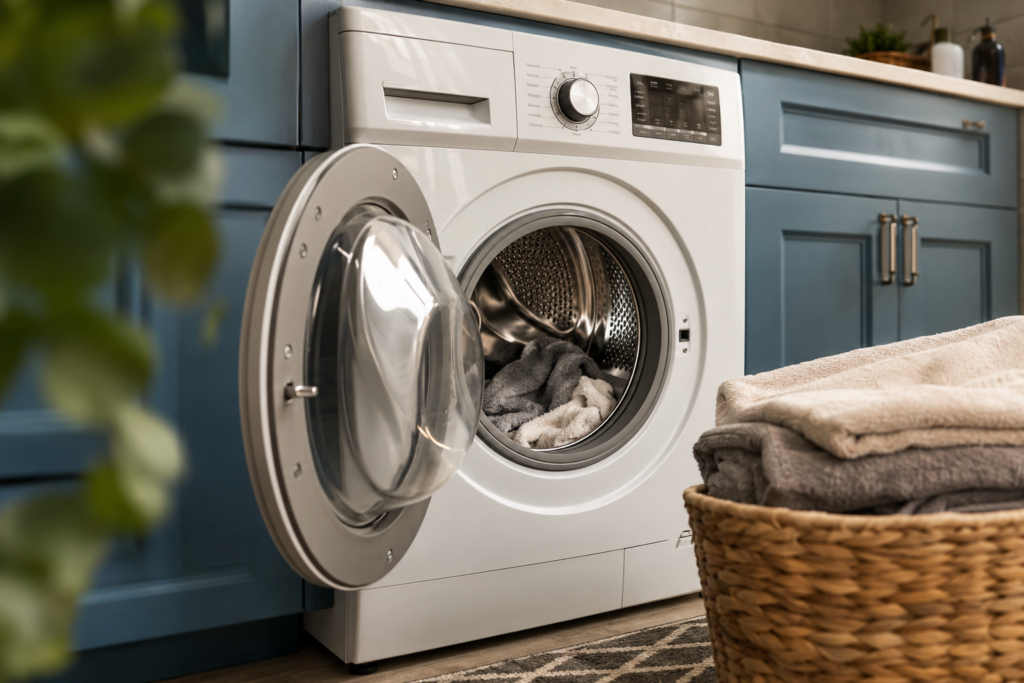
Washing machine sound changes mid cycle is a common issue that may happen when the washer shifts between washing, draining, and spinning stages. Some sound changes are completely normal during cycle transitions, but rough grinding, metallic rattling, violent vibration, or sudden loud noises often point toward load imbalance, trapped objects, worn suspension components, or early drum bearing wear. Identifying when the sound appears during the cycle can help narrow down the exact mechanical problem before it becomes more serious
Table of Contents
Why the Washer Suddenly Sounds Different Midway Through a Load
Many people expect a washing machine to sound the same from start to finish, but that is not how the system actually works. A washer constantly changes speed, direction, and internal function throughout the cycle. During filling, very little movement happens. Once agitation starts, the motor operates differently. When draining begins, the pump activates, and the spin cycle pushes the drum to much higher speeds.
Because of these transitions, some sound variation is completely normal. A low humming noise during draining or a stronger spinning sound near the end of the cycle does not automatically mean something is wrong. The concern starts when the sound changes abruptly or behaves differently than the machine normally does.
Homeowners often describe the issue in very practical terms. The washer may begin quietly, then halfway through the load it suddenly starts banging, grinding, squealing, or vibrating hard enough to shake the laundry room floor. The timing of the noise matters because it usually reveals which system inside the machine is under stress.
How Real-World Laundry Habits Trigger the Problem
One reason this issue is so common is that washers operate differently under real household conditions than they do in ideal testing environments. Most families do not wash perfectly balanced loads every time. Towels get twisted together, blankets absorb water unevenly, and heavy clothing shifts toward one side of the drum. A good example is washing a single comforter by itself. At first, the cycle may seem completely normal. Once the washer reaches spin speed, the wet fabric collapses into one heavy section, pulling the drum off balance. The machine then starts thumping repeatedly against the cabinet walls.
This is one of the most common reasons a washing machine sound changes mid cycle without there being a major mechanical failure. The sound comes from unstable movement rather than broken internal parts. Another common situation happens when people overload the washer after a busy week. The drum struggles to redistribute the clothing evenly, and the suspension system absorbs far more force than it was designed to handle. Over time, repeated overloads accelerate wear on shock absorbers, suspension rods, bearings, and drive components.
Unbalanced Loads Often Sound Worse Than They Really Are
An uneven load can make a healthy washer sound surprisingly aggressive. During spin acceleration, the drum rotates faster and faster while trying to stabilize itself. If the clothing weight is concentrated on one side, the entire tub assembly begins pulling unevenly against the suspension system. The sound usually develops in stages. First, there may be a slight wobble. Then the washer starts tapping lightly against the cabinet. As spin speed increases, the tapping turns into loud rhythmic banging or heavy vibration. In many households, washing machine sound changes mid cycle start appearing long before the washer develops a complete mechanical failure.
This problem is especially noticeable on lightweight flooring or upstairs laundry rooms where vibration transfers easily through the structure of the house. Fortunately, the fix is often simple. Pause the cycle and redistribute the laundry evenly inside the drum. Mixing large items with smaller garments helps create better balance. Washing one extremely heavy item alone is usually what creates the worst instability.
Some modern washers attempt automatic rebalancing, but the system can only compensate so much. If the load remains severely uneven, the washer may continue producing loud noises even after multiple attempts to correct itself.
Small Metal Objects Create Big Noise Problems

A surprising number of mid-cycle sound complaints come from loose objects hidden inside clothing. Coins, screws, keys, bra wires, and even small zipper pieces can create noises that sound far more serious than they actually are. The reason is simple physics. Once the drum spins at high speed, even a small metal object strikes surfaces repeatedly with significant force. The sound changes depending on where the object becomes trapped.
People commonly hear
- Sharp metallic clicking
- Scraping noises
- Fast rattling
- Intermittent tapping
- Grinding near draining stages
One homeowner may hear a clicking sound only during spinning, while another hears rattling whenever the washer drains water. Both situations often trace back to loose debris moving through different parts of the machine. Drain pump filters collect many of these objects before they cause serious damage. Checking and cleaning the filter is one of the most overlooked troubleshooting steps when a washing machine sound changes mid cycle unexpectedly.
When Drum Bearings Start Wearing Out

Bearing wear creates a very different sound pattern than load imbalance or loose objects. Instead of random banging, the noise usually becomes deeper, rougher, and more consistent over time.
Most washers use drum bearings to support smooth rotation during high-speed spinning. These bearings handle constant movement, moisture exposure, and vibration. After years of use, internal wear gradually develops. Once the bearing surfaces begin deteriorating, friction increases and the sound becomes noticeably louder.
In real-life situations, homeowners rarely notice the problem immediately. The washer may only sound slightly rough during the spin cycle at first. Weeks later, the noise becomes a low rumbling sound. Eventually, the machine develops a roaring or grinding tone that grows louder every cycle. A failing bearing often behaves predictably. The sound intensifies as spin speed increases and becomes quieter again as the drum slows down. Additional signs sometimes appear alongside the noise: If washing machine sound changes mid cycle repeatedly during every load, the problem usually becomes easier to identify by observing exactly when the sound appears.
- Slight drum wobble
- Water marks near the rear tub
- Rough feeling when spinning the drum manually
- Strong vibration during high-speed cycles
Bearing replacement is usually one of the larger washing machine repairs because much of the machine must be disassembled to access the damaged parts
Suspension and Shock Absorber Problems
Front-load and top-load washers use different suspension systems, but both designs rely on stabilizing components to control drum movement. Once these parts weaken, the machine may sound normal during washing but become extremely loud during spinning.
Front-load washers typically use shock absorbers mounted beneath the tub assembly. Top-load models often rely on suspension rods or springs. These parts absorb movement forces as the drum shifts under changing load conditions. When suspension wear develops, the washer struggles to control movement once the spin cycle reaches higher speeds. The tub swings too freely and begins striking nearby cabinet surfaces.
This often creates
- Repetitive banging
- Violent shaking
- Strong floor vibration
- Drum instability
- Sudden movement during spin acceleration
One real-world pattern appears in older washers used heavily by large families. The machine may still clean clothing properly, but every large load causes intense vibration. Smaller loads remain relatively quiet because they place less strain on weakened suspension components. Ignoring these symptoms usually increases wear on nearby parts over time
Drain Pump Noise Is Often Misdiagnosed

The drain pump is another common source of changing washer sounds. Many people assume the motor is failing when they hear grinding or buzzing midway through a cycle, but the pump is often responsible instead.
The timing helps identify the issue. If the sound begins right as the washer starts draining water, the pump system deserves attention first. Hairpins, lint buildup, small socks, and fabric threads commonly interfere with pump operation. Sometimes the debris partially blocks the impeller, creating irregular grinding or rattling sounds only while water is moving.
In many washers, accessing the drain filter is relatively straightforward. Cleaning it regularly prevents buildup that eventually stresses the pump motor itself. A clogged filter can also slow drainage enough that the washer struggles to transition properly into the spin cycle. That extra strain changes the sound profile of the entire machine
washing machine maintenance recommendationsTroubleshooting the Problem Without Guessing
When homeowners hear unusual washer noise, they often jump immediately to worst-case scenarios. A calmer approach usually produces better results.
Start by paying attention to exactly when the sound appears. A washer that becomes noisy only during spinning points toward balance, suspension, or bearing issues. Noise during draining often involves the pump or filter system. Grinding during all drum movement may suggest deeper mechanical wear. A practical troubleshooting routine usually looks like this: If washing machine sound changes mid cycle happen during draining, the drain pump or filter area is often worth inspecting first.
- Pause the cycle and redistribute the load.
- Check pockets, drum edges, and the door gasket for loose objects.
- Inspect the drain filter for debris buildup.
- Verify the washer sits level on the floor.
- Run a short empty cycle and listen carefully.
If the sound disappears during an empty cycle, the problem often relates to loading conditions rather than major internal damage. What matters most is whether the sound keeps worsening over time. Temporary imbalance behaves differently than progressive mechanical wear.
Knowing When Professional Repair Makes Sense
Some washer noises are manageable for months. Others should not be ignored at all. Loud metal grinding, burning smells, electrical buzzing, or drum scraping usually indicate more serious mechanical stress.
People sometimes continue running noisy washers because the appliance still technically works. Unfortunately, certain failures become much more expensive once surrounding components start wearing down too. Professional diagnosis is often worthwhile when:
- The drum feels loose
- Grinding becomes constant
- Water leakage appears
- The washer stops reaching full spin speed
- Loud roaring continues every cycle
- Suspension movement becomes extreme
Repair costs vary depending on the component involved. A blocked filter or loose object may cost nothing to fix. Bearing replacements or motor repairs can become significant because of labor time and disassembly requirements
Keeping Washer Noise Problems From Returning
Preventing excessive washer noise usually comes down to consistent habits rather than complicated maintenance. Most damaging conditions develop slowly through repeated stress over time.
Avoiding chronic overloading is one of the biggest factors. Heavy oversized loads place continuous strain on the suspension system, bearings, and motor assembly. Keeping the washer level also matters more than many homeowners realize, especially on flexible flooring surfaces. A few practical habits help reduce long-term wear:
- Empty pockets before washing
- Clean the drain filter regularly
- Avoid washing single heavy items alone
- Recheck leveling feet occasionally
- Stop unusual noises early instead of ignoring them
Most washing machines give warning signs before serious failure occurs. Paying attention to changing sounds early usually prevents larger repair problems later on. A washer does not need to operate silently to be healthy, but it should sound familiar, stable, and predictable from one cycle to the next. Many homeowners notice washing machine sound changes mid cycle long before a major washer failure actually develops. Paying attention when washing machine sound changes mid cycle can help prevent larger repair costs later.


Comments