Washing Machine Skips Wash Cycle? Here’s Why and How to Fix It
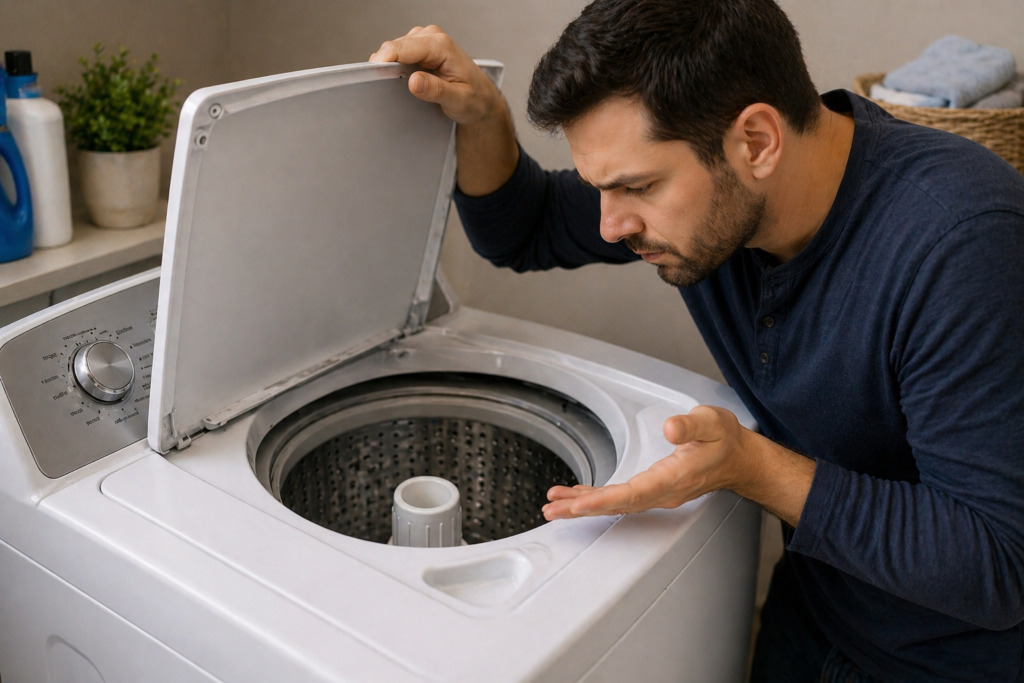
Quick Fix: Washing Machine Skips Wash Cycle
If your washing machine skips the wash cycle and jumps directly to rinse or spin, try these quick troubleshooting steps before moving to deeper repairs.
- Reset the washer: Unplug the machine for 5 minutes to clear temporary control glitches.
- Check the lid or door lock: Make sure it closes properly and clicks securely.
- Inspect water supply: Ensure both inlet valves are fully open and filters are clean.
- Balance the load: Avoid overloading or washing a single heavy item.
- Listen for motor activity: If the drum doesn’t move, the issue may be with the motor or drive system.
Table of Contents
Why Your Washing Machine Skips the Wash Cycle
A washing machine does not simply move from filling to spinning. It follows a sequence of checks before the wash phase begins. Depending on the model, the washer may need to confirm that the lid or door is secure, the required water level has been reached, and the drive system is ready to operate.
If one of those conditions is not confirmed, the washer may pause, drain, change the cycle, or move toward rinse or spin. This is why a machine can appear to complete a cycle even though the clothes were never properly washed.
Common Causes of a Washer Skipping the Wash Cycle
The most useful clue is what the washer does immediately before it skips the wash phase.
Lid Switch or Door Lock
If the washer cannot confirm that the lid or door is secure, it may prevent agitation or drum movement.
Water Inlet Problem
Restricted hoses, closed valves, or clogged inlet screens can interfere with normal filling and cycle progression.
Drive Belt or Coupling
The motor may run while the drum or agitator fails to move because a drive component is worn or damaged.
Motor Problem
A motor that hums, overheats, or fails to start can prevent the wash stage from operating.
Unbalanced Load
An extremely uneven load can cause the washer to pause or change its operation to protect the machine.
Sensor, Timer, or Control Issue
A faulty sensor, timer, or electronic control can interrupt the sequence and prevent the wash phase from starting correctly.

Washer Fills with Water but Skips Wash Cycle – Why It Happens
One of the most specific and telling situations is when the washer fills with water, then drains without any drum movement. This behavior points strongly toward a mechanical or drive-related issue rather than a water or control problem.
In many cases, the motor is running, but the motion isn’t reaching the drum. This can happen if the drive belt is worn out or the motor coupling is broken. From the outside, everything sounds normal, but inside, the connection between the motor and drum is lost. Another possibility is that the motor briefly starts but shuts off due to overheating or internal protection. The washer then skips ahead because it assumes the wash step has failed
You May Also Like
If your washing machine skips the wash cycle, these related troubleshooting guides can help you identify other problems that may cause the washer to pause, stop, or move unexpectedly between cycles:
- Washing Machine Stops Before Rinse Cycle – 7 Causes & Easy Fixes
- Washer Fills With Water But Won’t Agitate – 9 Powerful Causes & Easy Fixes
- Washing Machine Stuck on Wash Cycle – Causes & Fixes
- Washing Machine Not Transitioning Between Cycles – What to Check
- Washing Machine Won’t Finish Cycle – Common Causes & Fixes
- Washing Machine Stuck on Sensing Cycle – Easy Fix Guide
- Washing Machine Drum Not Turning – Causes & Fixes
- Washing Machine Won’t Agitate But Spins – 7 Easy Fixes
- Washing Machine Keeps Pausing – 8 Troubleshooting Tips
- Washer Not Completing Cycle – Causes & Troubleshooting
Control Panel Confusion and Flashing Lights
If your washing machine skips the wash cycle and starts flashing lights after a reset, that usually points to an electronic issue rather than a mechanical one. The control board may be receiving conflicting signals or failing to process inputs correctly.
This often happens after repeated resets or power interruptions. The machine might temporarily behave normally, then revert to skipping cycles again. In these cases, the control system isn’t stable, and the problem won’t be solved by basic troubleshooting alone. Sometimes, a single faulty button or sensor can disrupt the entire panel. Even if everything else works, one bad input can cause the washer to misinterpret the selected cycle. This washing machine skips wash cycle issue usually appears when internal components fail to trigger the wash phase correctly.
A Practical Step-by-Step Troubleshooting Approach

Instead of jumping straight into complex repairs, it’s better to follow a logical sequence. This helps isolate the issue without unnecessary part replacements. Start with a full reset. Unplug the washer for a few minutes and plug it back in. This clears temporary glitches and restores basic communication between components. If the issue persists, move on to checking the lid or door mechanism. Make sure it closes firmly and produces a clear locking response.
Next, observe how the machine fills. If water enters slowly or inconsistently, inspect the inlet filters and hoses. Poor water flow can prevent the washer from reaching the wash stage. If those checks don’t reveal anything, listen carefully during the cycle. A silent wash phase suggests no motor activity, while a humming sound without movement points to a mechanical disconnect. These small observations often narrow down the problem faster than opening the machine
Why Load Balance Matters More Than You Think
It’s easy to overlook how much the load inside the washer affects its behavior. A single heavy item, like a blanket, can throw off the balance enough to confuse the system. The washer may detect uneven weight distribution and skip the wash cycle to avoid damage.
This doesn’t always happen consistently, which makes it harder to identify. One load might work fine, while the next causes the machine to behave strangely. The difference often comes down to how evenly the clothes are distributed. Even underloading can cause issues. A nearly empty drum doesn’t provide enough resistance for proper agitation, leading the washer to misread conditions and skip steps.
Common Mistakes That Make the Problem Worse
When a washing machine skips the wash cycle, people often try quick fixes without understanding the cause. This can lead to wasted time and even additional damage.
One common mistake is repeatedly resetting the machine without checking anything else. While resets can help with minor glitches, they won’t fix mechanical or sensor issues. Another mistake is overloading the washer in an attempt to “force” it to work normally, which usually makes the problem worse.
Using too much detergent is another hidden factor. Excess suds can interfere with sensors and create false readings, leading the washer to skip steps or behave unpredictably.
When It’s Time to Stop Troubleshooting
Not every issue can or should be fixed at home. If the washing machine skips the wash cycle consistently despite basic checks, it may be time to involve a technician. This is especially true for control board problems or internal electrical faults. If you notice burning smells, repeated flashing errors, or complete loss of response, continuing to run the machine can cause further damage. At that point, professional diagnosis is the safer and more cost-effective option
Safety Notice
Always unplug the washing machine before inspecting internal components. Electrical parts and moving mechanisms can be dangerous if handled improperly. If you are unsure about any repair step, it is safer to consult a professional technician.
What Does It Cost to Repair a Washer That Skips the Wash Cycle?
Repair cost depends on the failed component, washer model, parts availability, and local labor rates. Simple problems are generally less expensive than motor, drive-system, or electronic-control repairs.
How to Prevent This Problem in the Future
Preventing a washing machine from skipping the wash cycle comes down to consistent, careful use. The machine relies on balanced loads, proper detergent use, and clean internal pathways to function correctly.
Avoid cramming too many clothes into one load, and make sure items are evenly distributed. Clean the inlet filters periodically to maintain proper water flow. Use the correct type and amount of detergent to prevent buildup and sensor interference. Pay attention to small changes in behavior. If the washer starts taking longer to fill or sounds slightly different during operation, those early signs can help you catch issues before they turn into skipped cycles. If your washing machine skips wash cycle frequently, it’s important to diagnose the issue early before it gets worse
Final Thoughts
A washing machine that skips the wash cycle is usually a sign that one part of the cycle sequence is not being completed correctly. The most common areas to investigate are the lid or door lock, water supply, load balance, drive system, motor, and controls.
Start with the simple checks before replacing parts. If the washer continues to skip the wash phase or shows electrical or mechanical warning signs, accurate professional diagnosis can help identify the actual cause and prevent unnecessary repairs.
Estimate Your Washing Machine Repair Cost
Compare common repair expenses with our washing machine repair cost calculator before deciding whether to repair or replace the appliance.
Use the Repair Cost Calculator →Muhammad Khalid
Founder of FixAppLab • Appliance Troubleshooting Specialist
Muhammad Khalid is the founder of FixAppLab, where he focuses on explaining real-world appliance problems and how they behave during everyday use. His work goes beyond basic fixes, helping readers understand why issues occur in washing machines, dryers, and refrigerators.
He specializes in practical troubleshooting, especially for common issues like cycle skipping, drainage problems, and control system faults. Explore more detailed guides on washing machine problems and refrigerator issues .


Comments