Why Washing Machine Pauses During Cycle: 9 Common Causes & Solutions
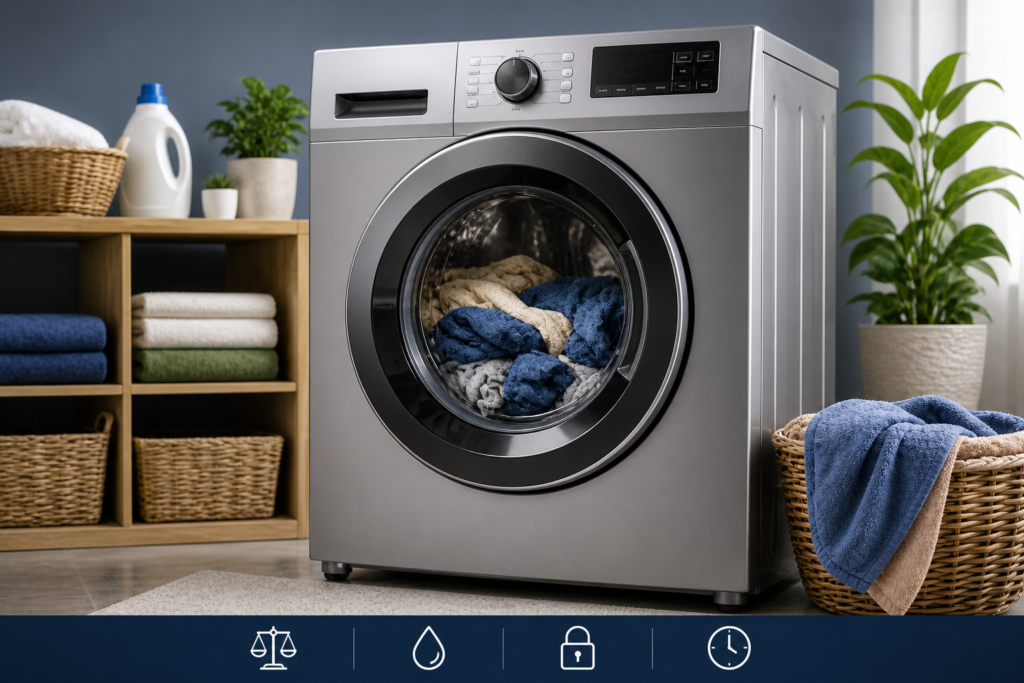
A washing machine pauses during a cycle when its internal system detects something that could affect performance or safety. In many cases, this behavior is intentional. designed to protect the machine, balance the load, or wait for proper conditions. The solution depends on understanding what triggered the pause and how the machine is reacting in real time
Quick Troubleshooting Steps to Check First
If your washing machine pauses during a cycle, the issue is often linked to a few common conditions that can be checked quickly. Before moving into deeper diagnosis, these practical steps can help you identify and resolve the problem in real-world situations.
- Redistribute the laundry evenly inside the drum, especially if washing heavy or bulky items.
- Ensure the door or lid is fully closed and locking securely during operation.
- Check the water supply and confirm that inlet valves are fully open and hoses are not kinked.
- Inspect and clean the drain filter to remove lint, debris, or small objects blocking water flow.
- Use the correct amount of detergent to prevent excess foam from interfering with sensors.
- Reset the machine by unplugging it for several minutes to clear temporary system interruptions.
These checks address the most common reasons why washing machines pause unexpectedly and can often restore normal operation without further repair.
Table of Contents
What’s Really Happening Inside the Machine
To understand why washing machine pauses during cycle, it helps to look beyond the surface. Modern washers are not just spinning drums .they constantly monitor load weight, water levels, temperature, and movement. Every few seconds, sensors send feedback to the control board, which decides whether to continue, slow down, or pause.
When something doesn’t match expected conditions .like uneven weight distribution or delayed water filling .the machine pauses to correct itself. This is not random behavior. It’s a controlled response meant to avoid damage, reduce vibration, or prevent incomplete washing. Short pauses are normal, but longer or repeated pauses usually point to a deeper issue.
When Pausing Is Normal vs When It’s Not

In everyday use, washing machines are programmed to pause at specific points. These pauses are usually brief and consistent. For example, during the transition from wash to rinse, the machine may stop for a few seconds while draining and recalibrating.
However, if you notice that your machine pauses for several minutes, restarts unpredictably, or struggles to complete cycles, it’s no longer normal behavior. This is where most users begin asking why washing machine pauses during cycle, because the pattern becomes irregular and frustrating. The key difference is consistency .normal pauses follow a predictable rhythm, while problematic ones feel random or excessive.
Load Imbalance: The Most Common Real-World Cause
One of the most frequent reasons behind this issue is uneven load distribution. In real-life situations, this often happens when washing bulky items like blankets or jeans. These items tend to clump together, shifting weight to one side of the drum.
When the machine detects this imbalance, it attempts to correct it by pausing and gently rotating the drum. If it fails to redistribute the load evenly, it may pause repeatedly or delay the spin cycle entirely. This behavior protects the drum and motor from excessive strain, but it can make the cycle feel longer than expected.
In practice, you might see the drum start spinning, stop suddenly, then try again multiple times. The solution is simple but often overlooked .redistribute the clothes manually and avoid mixing very heavy and very light items in the same load.
Water Flow Problems That Slow Everything Down
Another overlooked reason why washing machine pauses during cycle is related to water supply. Washing machines rely on a steady flow of water to maintain timing and pressure. If water enters too slowly, the system waits rather than continuing with insufficient levels.
This often happens due to partially closed valves, kinked hoses, or clogged inlet filters. From the outside, it looks like the machine has stopped working, but internally it is waiting for the required water level to be reached. In real homes, this can be confusing because there’s no noise or movement during the pause. Users often assume the machine is stuck, when in reality it’s in a waiting state. Checking water pressure and ensuring proper flow can resolve this type of pause quickly. This is one of the most common reasons why washing machine pauses during cycle in real homes. Understanding why washing machine pauses during cycle helps you fix the issue faster
Door Lock Issues That Interrupt Operation
Washing machines are designed with safety in mind, which is why they stop immediately if the door or lid is not securely locked. Even a slightly loose latch can trigger a pause mid-cycle. This issue becomes more noticeable in machines that pause randomly when touched or slightly moved. You might hear a clicking sound as the lock attempts to engage, followed by a pause when it fails to confirm a secure closure.
Over time, door locks can wear out or become misaligned. While the machine may still start normally, it may pause during operation when the system rechecks the lock status. Ensuring the door closes firmly .and replacing a faulty latch if needed .can eliminate this interruption.
Drainage Delays That Hold the Cycle Back
A washing machine cannot move to the next stage until water is properly drained. If the drainage process is slow or blocked, the machine pauses and waits. This situation often develops gradually. Small debris like lint, coins, or fabric threads can accumulate in the drain filter or pump. At first, the effect is minor. slightly longer pauses. Over time, these pauses become more noticeable as drainage slows further.
In real use, you might notice the machine finishing the wash phase but not proceeding to spin. It appears paused, but it is actually waiting for water to drain completely. Cleaning the filter and checking the hose can restore normal timing.
Motor Overheating and Protective Pauses
When a washing machine is overloaded or used continuously without breaks, the motor can heat up. To prevent damage, the system automatically pauses until the motor cools down.
This type of pause usually occurs during heavy loads or back-to-back cycles. The machine may stop for several minutes, then resume as if nothing happened. It’s a protective feature, not a failure. However, repeated overheating indicates poor usage habits or limited ventilation around the machine. Reducing load size and allowing short breaks between cycles can prevent this issue from recurring
Related Issues That Can Cause Washing Machine Pauses
If your washing machine pauses during a cycle, it’s often linked to problems like drainage delays, sensor confusion, load imbalance, or control system interruptions. These guides explain closely related issues and help you troubleshoot the exact cause step by step.
- Washing Machine Keeps Pausing – 8 Troubleshooting Tips That May Help
- Washer Stops Mid-Cycle Without Error Code – Causes & Fixes
- Washing Machine Stops Mid-Cycle Full of Water – What It Means
- Washing Machine Stuck on Sensing Cycle – Easy Fix Guide
- Why Washing Machine Keeps Restarting – Common Reasons Explained
- Washing Machine Not Draining Water – Causes & Practical Fixes
For a complete understanding of how different washing machine issues are connected and how to diagnose them properly:
Control Board and Sensor Miscommunication

If you’re still wondering why washing machine pauses during cycle, electronic issues are another possibility. The control board acts as the brain of the machine, coordinating all operations based on sensor input.
When sensors send incorrect data. such as wrong water level readings or false imbalance detection. the system may pause unnecessarily. These pauses can feel random, occurring at different stages each time. Unlike mechanical issues, this problem is harder to predict. One cycle may run smoothly, while the next pauses repeatedly. Resetting the machine by unplugging it for several minutes can sometimes clear minor glitches. Persistent issues, however, may require professional diagnosis.
The Hidden Impact of Too Much Detergent
Excess detergent is a surprisingly common cause of irregular pauses. When too much soap is used, it creates excessive foam that interferes with drum movement and sensor readings. In real situations, this often leads to extended rinse cycles or repeated pauses as the machine tries to clear the foam. Users may not connect the issue to detergent, especially if they assume more soap means better cleaning.
Switching to the correct detergent type and using the recommended amount can significantly improve cycle consistency. This small adjustment often resolves what seems like a complex problem
Common Mistakes That Make the Problem Worse
Many users unintentionally make small mistakes that lead to repeated pauses during the wash cycle. These issues often go unnoticed because the machine still runs, but not efficiently.
- Overloading the drum, which puts extra strain on the motor and causes imbalance pauses.
- Washing a single heavy item like a blanket without balancing it with other clothes.
- Using excessive detergent, leading to foam buildup and sensor confusion.
- Ignoring regular cleaning of the drain filter, allowing debris to block water flow.
- Running back-to-back cycles without giving the machine time to cool down.
- Overlooking minor power fluctuations that can interrupt cycle timing.
Avoiding these mistakes can significantly reduce unnecessary pauses and help your washing machine run more smoothly.
Power Fluctuations That Disrupt Timing
Electrical stability plays a bigger role than most people realize. Minor power fluctuations can cause the machine’s control system to reset or pause temporarily.
In areas with inconsistent voltage, this can lead to unpredictable behavior. The machine may pause, resume, or even restart certain stages without warning. These interruptions are often brief but can affect overall cycle timing. Using a voltage stabilizer or ensuring a reliable power connection can prevent these disruptions. This is especially important in regions where voltage drops are common.
A Simple Way to Identify the Cause
Instead of guessing, a quick test can help narrow down the issue. Run the washing machine with an empty drum and observe its behavior. If the machine runs smoothly without pauses, the issue is likely related to load distribution or detergent use. If pauses still occur, the problem may be mechanical or electrical.
Pay attention to when the pause happens. during filling, spinning, or draining. Each stage points to a different cause, making troubleshooting more precise and less frustrating
Practical Steps to Fix the Problem

If your washer keeps stopping, these simple steps can resolve most cases
- Redistribute clothes evenly, especially heavy items
- Clean the drain filter and check the hose for blockages
- Ensure water supply is strong and uninterrupted
- Avoid overloading or overusing detergent
- Reset the machine by unplugging it for several minutes
These actions address the most common reasons why washing machine pauses during cycle without requiring complex repairs
When the Problem Needs Professional Attention
Some issues go beyond basic troubleshooting. If your machine pauses and never resumes, shows error codes, or produces unusual noises, it’s time to involve a technician. Electrical faults, damaged sensors, or control board failures require proper tools and expertise. Ignoring these signs can lead to more serious damage over time.
Final Thoughts
A washing machine that pauses isn’t always malfunctioning .it’s often reacting to conditions it can’t safely handle. Understanding the behavior behind the pause makes it easier to identify whether it’s normal or a sign of trouble. With careful observation and a few practical adjustments, most interruptions can be resolved without unnecessary stress
When to Call a Technician
While many causes of why washing machine pauses during cycle can be fixed at home, some problems go beyond basic troubleshooting. If the issue involves internal components or electrical faults, continuing to use the machine may lead to further damage.
- The machine pauses repeatedly and never resumes the cycle properly.
- Error codes appear frequently or the display behaves abnormally.
- You notice burning smells, unusual noises, or overheating signs.
- The drum stops completely or fails to spin after multiple attempts.
- Resetting the machine does not resolve the issue.
- Electrical components such as sensors or the control board seem faulty.
In these cases, it’s safer and more cost-effective to get professional help instead of attempting deeper repairs yourself.
Prevention Tips to Avoid Pausing Issues
Once you understand why washing machine pauses during cycle, preventing it becomes much easier. A few simple habits can keep your washer running smoothly and reduce unnecessary interruptions over time.
- Always distribute laundry evenly to avoid drum imbalance during spin cycles.
- Clean the drain filter regularly to prevent water flow restrictions.
- Use the correct amount of detergent to avoid foam-related interruptions.
- Ensure stable water pressure and keep inlet hoses free from kinks.
- Avoid running multiple heavy cycles back-to-back without giving the machine rest.
- Use a voltage stabilizer if your area experiences frequent power fluctuations.
Consistent care and smart usage can prevent most mid-cycle pauses and extend the overall life of your washing machine.
Muhammad Khalid
Founder of FixAppLab • Appliance Troubleshooting Specialist
Muhammad Khalid is the founder of FixAppLab, a platform focused on real-world appliance troubleshooting and practical repair insights. His work is based on understanding how washing machines, refrigerators, and dryers behave during everyday use — especially when problems like cycle interruptions, drainage failures, or sensor issues occur.
He writes detailed guides that explain not just what goes wrong, but why it happens and how to fix it step by step. You can explore his in-depth resources on washing machine problems , refrigerator issues , and dryer troubleshooting .
Learn more:
About · Blog · Contact · Services
Follow for updates:


Comments