7 Reasons Why Washing Machine Stops Mid Cycle Full of Water
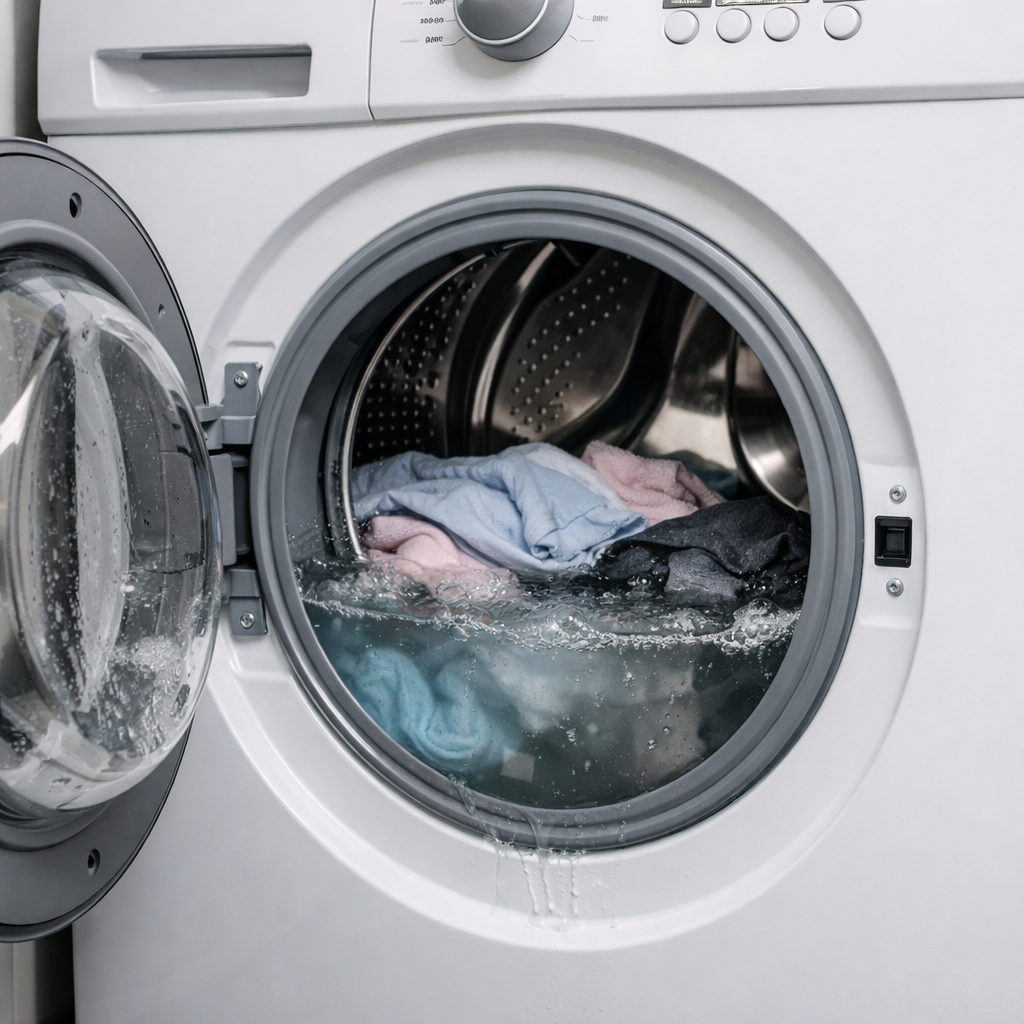
Washing machine stops mid cycle full of water is a common problem that usually points to drainage issues, faulty sensors, or internal safety controls. The appliance pauses because it cannot safely continue the cycle.
When this happens, clothes are often left soaked inside the drum. In most cases, the cause is a clogged filter, a malfunctioning pump, or a system error that interrupts normal operation.
Identifying the root cause makes all the difference. With the right approach, you can fix the issue quickly and keep your washing machine running smoothly.
A washing machine that stops mid cycle and remains full of water is usually caused by a clogged drain system, faulty pump, or electrical issue.

Table of Contents
Why This Problem Happens in the First Place
A washing machine operates through a structured sequence: filling, agitating, draining, and spinning. Each stage depends on the previous one completing successfully. When one part of the cycle fails—most often during drainage—the entire process comes to a halt.
A washing machine stopping mid cycle full of water is not random behavior. It is a protective response built into the system. The machine is designed to avoid spinning with excess water or continuing operation when conditions are unsafe. Instead of forcing the cycle forward, it pauses to prevent potential damage. This built-in safeguard is intentional. It helps protect internal components such as the motor, drum, and electronic controls from strain or failure.
The Role of the Drain System

In most cases, the root cause is related to a drainage issue. Water must exit the drum efficiently before the washer can proceed to spinning or rinsing. Even a minor obstruction can interfere with this process. Inside the appliance, a drain pump pushes water through a hose into your home’s plumbing system. If that pathway is restricted, water cannot flow out properly. As a result, the washer cannot complete the cycle. Common causes of drainage failure include
- Debris trapped in the drain filter or pump, such as coins or lint
- Lint or residue buildup restricting water flow
- A kinked or compressed drain hose behind the machine
What makes this issue difficult to identify is that the washer may appear to function normally at first. It may fill and agitate without any visible problem, only to stop once the draining phase begins. In many households, this is the exact point where a washing machine stops mid cycle full of water, leaving clothes saturated and unfinished.
When the Machine Thinks Something Is Unsafe
Modern washing machines rely heavily on sensors and safety switches to regulate operation. If any of these components send incorrect signals, the machine reacts immediately by stopping the cycle. A faulty lid switch or door lock mechanism is a common example. If the washer cannot confirm that the door is securely closed, it will pause—even if the door appears properly shut. This is a safety feature designed to prevent accidents during high-speed spinning.
Another important component is the pressure switch, which monitors water levels inside the drum. If it fails to detect that water has drained, the machine assumes a problem exists and halts operation. This explains why a washing machine stops mid cycle full of water even when no visible blockage is present. The system is responding to sensor data rather than physical observation alone.
The Hidden Impact of Overloading
Overloading the washer is often overlooked as a cause of performance issues. Adding too many items may seem harmless, but it can significantly affect how the machine operates. When clothes are unevenly distributed, the drum struggles to maintain balance during the spin cycle. If the washer detects instability, it may pause the cycle to avoid internal damage. In such situations
- The drum cannot reach proper spin speed
- Water remains trapped in heavy fabrics
- The machine pauses before completing drainage
This creates a scenario where a washing machine stops mid cycle full of water, even though no mechanical failure exists. The issue stems from load imbalance rather than faulty components. Reducing the load size and redistributing clothes evenly can often resolve the problem quickly and restore normal operation.
Electrical and Control-Related Interruptions

Not all mid-cycle interruptions are caused by physical blockages. Electrical components and control systems also play a critical role in maintaining smooth operation. The control board acts as the central command system of the washing machine. It sends instructions to various components, including the motor, pump, and water valves. If this communication is disrupted, the cycle may stop unexpectedly. Potential causes include:
- Power fluctuations during operation
- Loose or damaged wiring connections
- A malfunctioning timer or control board
In these cases, the washer may appear unresponsive or stop without warning. A washing machine stopping mid cycle full of water may simply be the result of interrupted communication within the system. Resetting the machine can sometimes restore functionality. However, repeated issues often indicate a deeper electrical fault that requires inspection. Many users search why a washing machine stops mid cycle full of water when the drain system becomes blocked or fails to work properly
Real-Life Situations That Make This Problem More Noticeable
This issue often becomes apparent during routine household tasks. For example, you might start a load of laundry in the evening, expecting it to finish within a set time. When you return, the machine is silent, and the drum remains filled with water. The clothes are heavy, soaked, and clearly unfinished.
In another scenario, a large load of towels is placed inside the washer. The cycle begins normally, but during the spin phase, the load shifts unevenly. The drum struggles to stabilize, and the machine stops with water still inside. These situations highlight how disruptive this problem can be. A washing machine that stops mid cycle full of water is not just a technical inconvenience—it interrupts daily routines and adds unnecessary effort.
More Troubleshooting Guides
What This Problem Cannot Do
It is common to assume the worst when encountering this issue. Many people believe that a washer stopping mid-cycle means the appliance is permanently damaged. In reality, this situation does not automatically mean:
- The entire washing machine has failed
- A major internal component must be replaced
- The appliance is unsafe to use again
Most cases are linked to manageable issues such as drainage blockages, sensor miscommunication, or load imbalance. At the same time, it is important to recognize limitations. A washing machine cannot resolve underlying faults on its own. Repeated interruptions should not be ignored, as temporary fixes may only provide short-term relief.
Step-by-Step Fix
- Check the drain hose for bends or blockage
- Clean the drain filter and remove debris
- Inspect the drain pump for clogs
- Reset the washing machine
- Check wiring or control board if issue continues
Practical Steps You Can Take Safely
Before attempting any troubleshooting, safety should be the top priority. Since water and electricity are involved, always unplug the appliance before inspecting it. Several practical steps can help resolve the issue:
- Check and clean the drain filter to remove debris
- Inspect the drain hose to ensure it is straight and unobstructed
- Run a spin or drain cycle after clearing blockages
- Reduce the load size and redistribute clothing
If the washer still fails to drain, manual draining may be necessary. Many machines include a small emergency drain hose or filter access point. Using towels and a container can help manage water safely. These actions address the most common reasons a washing machine stops mid cycle full of water without requiring specialized tools.
For official appliance safety and energy-saving guidelines, you can visit Energy.gov.
Advanced Repair Guides
A More Realistic View of “Quick Fix” Advice
Online resources often suggest that washing machine problems can be solved quickly and easily. While simple fixes can work in some cases, they are not always sufficient.
For example, cleaning a clogged filter may temporarily restore function. If the drain pump is worn or the control board is malfunctioning, the issue is likely to return. Treating every situation as a quick fix can lead to repeated frustration. A more practical approach is to begin with basic checks and observe the results. If the problem persists, it likely indicates a deeper issue that requires more thorough investigation. Many users search why a washing machine stops mid cycle full of water when drainage fails. This issue often occurs when a washing machine stops mid cycle full of water due to drainage failure or sensor malfunction.
When Professional Help Becomes Necessary
At a certain point, troubleshooting requires technical expertise. Components such as pumps, sensors, and electronic boards are not always easy to diagnose or replace without proper knowledge. Professional assistance is recommended when:
- The washer repeatedly stops mid-cycle
- Unusual noises occur during draining
- Electrical issues are suspected
- Basic maintenance steps do not resolve the problem
A trained technician can accurately diagnose the issue and recommend appropriate repairs. This helps avoid unnecessary part replacements and ensures the appliance is restored correctly.
Need More Help?
Explore our complete washing machine repair guides to fix issues quickly.
View All Guides →Understanding That Knowledge Is Still Evolving
Washing machine technology continues to advance, with modern appliances incorporating sensors, software systems, and automated safety features. While these improvements enhance performance, they also introduce additional complexity.
Manufacturers are constantly refining how machines detect and respond to issues. As a result, two washers with similar symptoms may behave differently depending on their design and programming. This means there is no single universal explanation for why a washing machine stops mid cycle full of water. Ongoing developments in appliance technology continue to shape how these problems are diagnosed and resolved.
- Easy to fix in most cases
- No professional help required
- Low cost solution
- Electrical faults can be complex
- May require part replacement
Common Mistakes to Avoid
- Overloading the washing machine
- Ignoring strange noises
- Not cleaning the filter regularly
- Using too much detergent
A Quiet Reminder About Maintenance and Use
Regular maintenance plays a significant role in preventing washing machine issues. Cleaning filters, checking hoses, and avoiding overloading can help maintain consistent performance. Washing machines are designed for frequent use, but they rely on proper conditions to function effectively. Small habits—repeated over time—can influence how reliably the appliance operates. In the end, a washing machine reflects how it is used just as much as how it is built . If your washing machine stops mid cycle full of water repeatedly, deeper inspection may be required. If your washing machine stops mid cycle full of water repeatedly, it may indicate a deeper issue that requires proper inspection.
Frequently Asked Questions
Why does my washing machine stop mid cycle with water still inside?
A washing machine usually stops mid cycle full of water due to a drainage problem, such as a clogged drain filter, blocked pump, or kinked hose. It may also pause because of sensor issues, like a faulty lid switch or pressure switch that prevents the machine from continuing safely.
How do I drain water from a washing machine that stopped mid cycle?
First, unplug the machine for safety. Then locate the drain filter or emergency drain hose (usually at the bottom front). Use a container or towels to collect the water as you slowly release it. After draining, clean the filter and check for blockages before restarting.
Can overloading cause a washing machine to stop mid cycle full of water?
Yes, overloading can create an unbalanced drum, preventing the machine from spinning and draining properly. When this happens, the washer may pause mid cycle with water still inside to avoid internal damage.
When should I call a technician for this problem?
You should contact a professional if the washing machine repeatedly stops mid cycle full of water, makes unusual noises, or does not drain even after cleaning the filter and checking the hose. Persistent issues often indicate problems with the pump, control board, or internal wiring


Comments