Refrigerator Running Constantly? 9 Proven Ways to Fix It
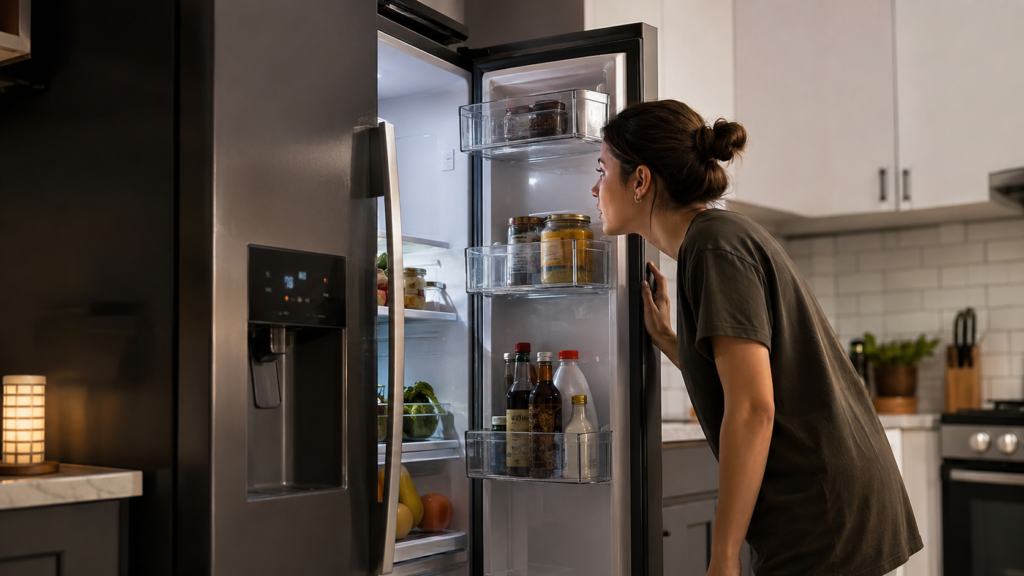
Yes, a refrigerator running constantly is usually trying to compensate for heat gain, blocked airflow, or a failing component — though some newer energy-efficient models are simply designed to run longer cycles by nature. If your fridge never seems to shut off, the good news is that most causes behind a refrigerator running constantly are things you can check yourself in a few minutes, long before you’d ever need to call a technician.
A healthy refrigerator is supposed to cycle. The compressor kicks on, cools the interior down to the set temperature, then shuts off and rests until the temperature climbs back up again. That on-off rhythm is normal. What isn’t normal is a fridge that hums away nonstop, hour after hour, day after day, without ever seeming to pause. When that happens, something is preventing the appliance from reaching or holding its target temperature, and the compressor keeps grinding away trying to catch up.
Table of Contents
Quick Answer: Why Is Your Refrigerator Running Constantly?
In most cases, a refrigerator running constantly comes down to one of a handful of everyday culprits: dirty condenser coils, a worn door gasket, a temperature setting that’s too low, blocked air vents, or a fan that’s starting to fail. Less often, the cause is something more serious, like a frost-clogged defrost system, a faulty sensor, or low refrigerant. Working through the simple checks first will resolve the issue in the majority of homes.
Is It Normal for a Refrigerator to Run All the Time?
Not always — it depends on the situation. Many modern refrigerators, especially French door and inverter models, are built to run for long stretches at low power instead of cycling sharply on and off the way older units did. That design actually helps them stay more energy efficient, so seeing the compressor active most of the day isn’t automatically a sign of a refrigerator running constantly in the problematic sense.
There are also everyday situations that cause a temporary spike in run time. A hot kitchen, a fridge that was just plugged in, a big grocery haul, or a stretch of frequent door openings can all keep the compressor working longer than usual. In those cases, the extra effort is expected and should settle down within a day or so.
The real concern is a refrigerator running constantly with no letup at all, especially when it’s paired with poor cooling, unusual noise, or a noticeably higher power bill. That pattern points to an actual problem rather than normal behavior.
Signs Your Refrigerator’s Constant Running Isn’t Normal
It helps to know what separates ordinary long run times from a refrigerator running constantly because something is actually wrong. Watch for:
- The compressor never seems to shut off, even overnight when the doors haven’t been opened
- The interior still feels warm or the freezer isn’t holding temperature
- The back or bottom of the fridge feels unusually hot to the touch
- You notice clicking, buzzing, or grinding sounds that weren’t there before
- Frost keeps building up on the freezer’s back wall
- Your electric bill has crept up noticeably without an obvious reason
If a couple of these sound familiar, it’s worth working through the common causes below rather than assuming the appliance just runs that way.
Common Reasons a Refrigerator Runs Constantly
1. The Temperature Is Set Too Low
It’s an easy setting to bump by accident, and it’s one of the most common reasons behind a refrigerator running constantly. If the dial or digital control is set colder than necessary, the compressor has to work much harder to reach that target, particularly during warm weather.
Most manufacturers recommend keeping the fresh food section around 37°F to 40°F (3°C to 4°C) and the freezer near 0°F (-18°C). If your settings are lower than that, dial them back to the recommended range and give the appliance a full 24 hours to stabilize before judging the result.
2. Dirty Condenser Coils

Condenser coils release the heat that’s been pulled out of the fridge’s interior. When they’re clean, that heat escapes efficiently. When they’re coated in dust, pet hair, or kitchen grease, the heat has nowhere to go, and the compressor has to run far longer to compensate. This buildup tends to happen gradually, which is exactly why dirty coils are such a frequent cause of a refrigerator running constantly without the homeowner ever noticing the coils were the problem.
Depending on the model, the coils sit either behind the unit or underneath it behind a bottom grille. Unplug the refrigerator first, then use a vacuum brush or a dedicated coil-cleaning brush to clear away the debris. Doing this every six to twelve months goes a long way toward keeping run times in check.
3. A Worn or Damaged Door Gasket

The rubber seal around the door keeps cold air in and warm air out. Once it cracks, flattens, or pulls away from the frame, even slightly, warm room air seeps in continuously. The refrigerator senses that temperature rise and keeps the compressor engaged trying to offset it.
A simple way to check is the dollar-bill test: close the door on a bill and try pulling it out. If it slides free with little resistance, the seal isn’t gripping the way it should. Try cleaning the gasket with warm soapy water first, since built-up grime can sometimes be the culprit. If it’s visibly torn or misshapen, replacing it is a fairly inexpensive fix that most people can handle themselves.
4. Blocked Air Vents or Overpacked Shelves
Cold air needs room to circulate. When shelves are packed too tightly or food is pressed against the internal vents, that airflow gets choked off. One part of the fridge ends up warmer than it should be, the sensor picks up on it, and the compressor keeps running to try to even things out.
Rearranging items so there’s a bit of breathing room around the vents, particularly along the back wall, often solves this without any parts or repairs involved.
5. Too Much Warm Food Added at Once
Sliding a hot pot of soup or a stack of warm leftovers straight into the fridge adds a real heat load that the compressor has to absorb. The same goes for coming home from a big grocery trip and loading everything in at once. In these cases, a refrigerator running constantly for a few hours afterward isn’t a malfunction — it’s just working through the extra heat. Letting food cool on the counter for thirty minutes or so before storing it reduces that burden considerably.
6. A Failing Evaporator or Condenser Fan
The evaporator fan circulates cold air from the coils throughout the fridge and freezer compartments. If it weakens or stops, cold air stops reaching the fresh food section even though the freezer may still feel plenty cold — a telltale sign this fan is the problem.
The condenser fan, on the other hand, pulls air across the condenser coils to help them release heat. If it seizes or gets jammed with debris, the compressor can overheat and lose efficiency, forcing it to run continuously just to keep pace. Listening for the fans while the unit runs, and checking for unusual rattling, grinding, or silence, can help narrow down which one is at fault before it turns into a full refrigerator running constantly situation.
7. Frost Buildup From a Defrost System Failure

Frost-free refrigerators rely on a defrost heater, thermostat, and timer to periodically melt ice off the evaporator coils. When one of these components fails, frost keeps accumulating instead of clearing, eventually blocking airflow entirely. The fridge reads this as insufficient cooling and keeps the compressor running almost nonstop trying to compensate.
Thick frost on the freezer’s back wall is usually the giveaway here. A one-time manual defrost (unplugging the unit with the doors open for 24 hours) can clear it temporarily, but if the ice comes right back within a week or two, the underlying defrost component needs to be diagnosed and likely replaced.
8. A Faulty Thermostat, Sensor, or Control Board
If everything mechanical checks out — coils, seals, airflow, fans — and the refrigerator is still running constantly, the issue may be electrical. A defective temperature sensor or thermostat can send the control system a false “too warm” reading, which keeps the compressor locked on even after the interior has actually reached temperature. A glitching control board can cause the same behavior. These components are harder to diagnose without testing equipment, so this is usually where a technician becomes worth calling.
9. Low Refrigerant or a Sealed-System Problem
When refrigerant is low, whether from a slow leak or another sealed-system issue, the compressor runs longer because it simply can’t move enough refrigerant to cool efficiently. Warning signs include the fridge running nonstop yet still failing to get cold, uneven frost patterns near the evaporator, and a compressor that feels unusually hot to the touch. This isn’t a do-it-yourself repair. Refrigerant work requires certification and specialized recovery equipment, so it’s a job for a licensed appliance technician.
Common Mistakes to Avoid
A few habits tend to make a refrigerator running constantly worse instead of better:
- Cranking the temperature colder when the fridge seems warm. This often masks a real problem, like a bad gasket or dirty coils, instead of fixing it.
- Chipping away at freezer frost with a knife or sharp tool. It’s easy to puncture the evaporator coil this way, which turns a simple defrost issue into a costly repair.
- Ignoring a warm compressor or new noises. These are early warning signs, and catching them early is usually cheaper than waiting for a full breakdown.
- Topping off refrigerant without finding the leak. The gas will simply leak out again, and the underlying problem never gets solved.
- Overloading the fridge “to be safe” after a power outage or repair. This restricts airflow right when the appliance needs it most to recover.
Quick Troubleshooting Steps to Try First
Before assuming the worst, it’s worth working through the basics in order, since most cases of a refrigerator running constantly come down to something simple:
- Check and adjust the temperature settings, then wait 24 hours
- Clean the condenser coils behind or underneath the unit
- Run the dollar-bill test on the door gaskets
- Make sure internal vents aren’t blocked by food
- Avoid overloading the fridge or leaving it mostly empty
- Check the freezer’s back wall for excess frost buildup
- Listen for the evaporator and condenser fans running normally
If you go through this list and the refrigerator is still running nonstop, especially if it’s also failing to cool properly, that’s a strong sign the problem lies deeper in the system than a quick cleaning or adjustment can fix.
Step-by-Step Check for a Refrigerator Running Constantly
Before replacing parts or calling a technician, work through these checks in order. Start with the simplest causes first, then move toward more advanced possibilities if your refrigerator continues running nonstop.
Check the Temperature Setting
Make sure the fresh-food compartment is set around 37°F to 40°F and the freezer is near 0°F. If the temperature is set unnecessarily low, the compressor may need to run longer than necessary to maintain the colder setting.
Clean the Condenser Coils
Unplug the refrigerator before cleaning the condenser area. Remove accumulated dust, pet hair, and debris from the accessible coils underneath or behind the appliance. Dirty condenser coils can make it harder for the refrigerator to release heat efficiently.
Check the Door Gasket
Inspect the refrigerator and freezer door gaskets for cracks, gaps, looseness, or visible damage. Clean the seal with warm soapy water and perform the dollar-bill test to check whether the gasket grips the door frame properly.
Clear Blocked Air Vents
Check the inside of the refrigerator and freezer for food containers blocking the air vents. Rearrange crowded shelves and leave enough space around the vents so cold air can circulate throughout the compartments.
Inspect for Excessive Frost
Look at the freezer’s rear wall for thick frost or a solid layer of ice. Excessive frost can restrict airflow across the evaporator and may indicate a problem with the refrigerator’s defrost system.
Give the Refrigerator Time to Stabilize
After making these basic adjustments, allow the refrigerator enough time to return to its normal operating temperature. If it continues running constantly and still struggles to cool properly, the problem may involve a fan, sensor, thermostat, control board, defrost component, or sealed refrigeration system.
Helpful tip: Make one change at a time when possible. This makes it easier to identify what actually reduced the refrigerator’s run time and helps prevent unnecessary part replacements.
When to Call a Professional

Some causes of a refrigerator running constantly are safe and simple to handle yourself. Others aren’t. If the compressor feels extremely hot, if you hear repeated clicking or grinding that wasn’t there before, if frost keeps returning after you’ve cleared it, or if the fridge runs around the clock but still can’t hold a safe temperature, it’s time to bring in a technician. Continuing to run a struggling compressor for weeks on end tends to shorten its lifespan and can turn a manageable repair into a much more expensive one.
You May Also Like
If your refrigerator is running constantly, these related repair guides can help you investigate other cooling, airflow, compressor, fan, thermostat, and temperature-control problems:
- Refrigerator Not Cooling Properly – 12 Causes and Easy Fixes
- Refrigerator Compressor Overheating – Causes, Warning Signs & Fixes
- Refrigerator Condenser Fan Not Working – Causes & Troubleshooting
- Fridge Thermostat Not Working – Symptoms, Causes & Fixes
- Refrigerator Not Cooling But Freezer Is Working – Causes & Fixes
- How to Fix an Evaporator Fan in a Refrigerator
- Fridge Temperature Not Stable – Common Causes and Solutions
- Why Is My Fridge Cooling Slowly? Causes and Fixes
- Refrigerator Control Board Problems – Symptoms & Troubleshooting
- Refrigerator Compressor Not Working – Causes and Troubleshooting
Helpful next step: Start with the guide that most closely matches your refrigerator’s symptoms before moving on to more advanced troubleshooting.
Final Thoughts
A refrigerator running constantly doesn’t always mean something is broken, but it’s rarely something to ignore either. In many cases, the fix is as simple as cleaning the coils, adjusting a temperature dial, or replacing a worn gasket. When those basics don’t resolve it, the cause is usually a fan, a defrost component, a sensor, or the sealed system itself, and that’s the point where professional diagnosis makes sense.
Working through the checks in this guide, starting with the easiest ones, clears up the issue in most homes. When it doesn’t, you’ll have already ruled out the simple stuff, and you’ll be able to tell a technician exactly what you’ve checked — which usually means a faster, more accurate diagnosis and a quicker end to that nonstop hum.
Muhammad Khalid
Founder & Appliance Repair Content Specialist at FixAppLab
Muhammad Khalid is the founder of FixAppLab, where he creates practical appliance troubleshooting guides focused on refrigerators, washing machines, and dryers. His goal is to make appliance problems easier to understand by explaining common causes, useful checks, and practical repair solutions in clear, straightforward language.


Comments